
Windshield Crack Spreading: What to Do Immediately to Save Your Glass
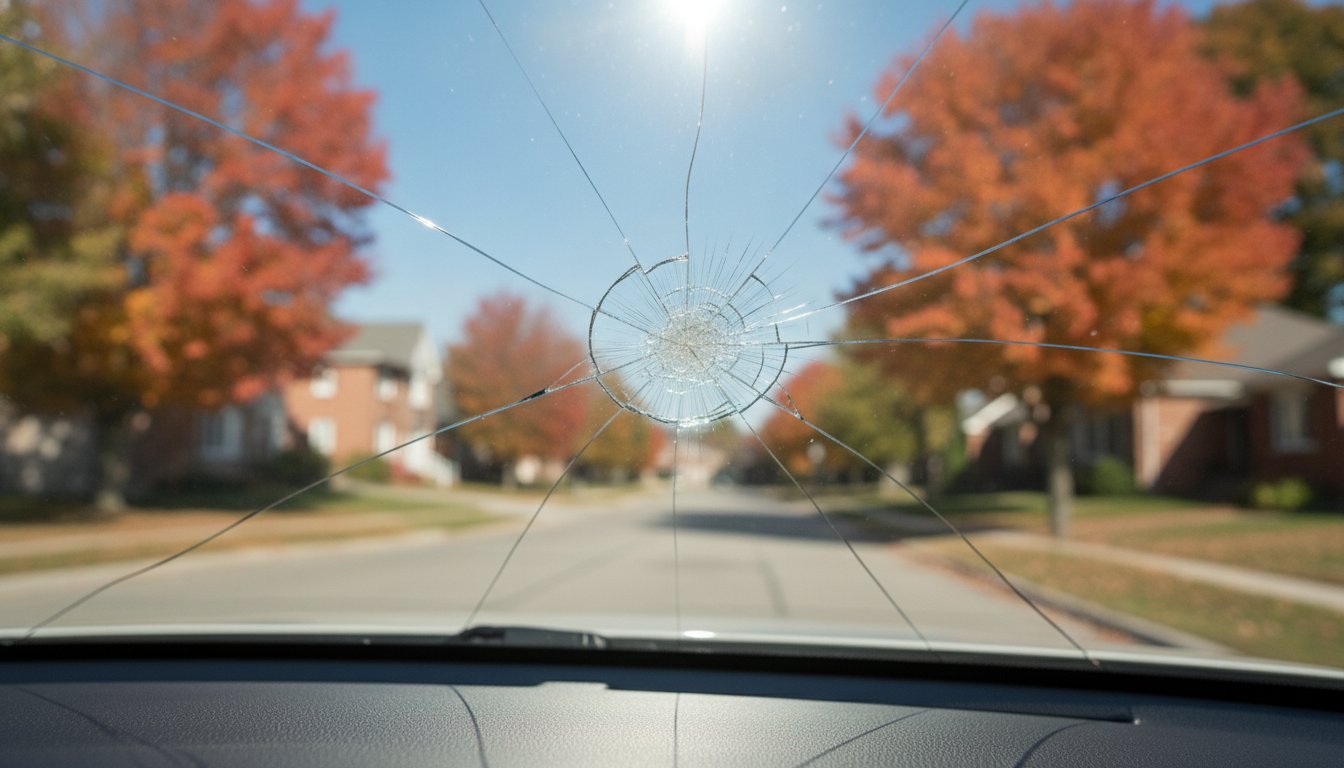
That tiny “tick” you heard on the 417 just turned into a hairline fracture, and every temperature swing in the Ottawa weather feels like a countdown to a shattered dashboard. It is a common fear for local drivers, and you are right to be concerned. A damaged windshield isn’t just an eyesore; it actually provides up to 30% of your vehicle’s structural strength during a rollover accident. If you are currently watching a windshield crack spreading what to do is likely your first thought to avoid a massive replacement bill and stay safe.
We understand the stress of wondering if your car is still road-legal or if the glass will hold up on your next commute. You want to protect your family and your budget at the same time. In this guide, you will learn the exact steps to stabilize a spreading crack immediately and how to navigate Ontario’s Highway Traffic Act requirements. We will show you how to determine if your glass is a candidate for a professional repair, helping you save money and ensure your vehicle remains legal for the road without the guesswork.
Key Takeaways
- Learn how to use clear packing tape and specific climate control settings to prevent debris from ruining your chance at a simple repair.
- Understand why the Ottawa “freeze-thaw” cycle is the primary reason for a windshield crack spreading and what to do before the next temperature drop.
- Discover why professional vacuum-pressure tools succeed where DIY kits fail to provide a permanent, structural bond.
- Identify the specific Ontario safety laws and structural risks that could result in fines or compromised airbag deployment.
- Realize how mobile repair services can restore your vehicle’s safety without the risk of driving a damaged car through city traffic.
Immediate Steps to Stop a Windshield Crack from Spreading
The moment you notice a line crawling across your field of vision, the clock begins to tick. When you are managing a windshield crack spreading what to do first is to stabilize the area before the damage becomes unfixable. A crack is not just a cosmetic flaw; it is a structural failure in your vehicle’s safety system. Taking immediate action can mean the difference between a simple, low-cost repair and an expensive full replacement. Your primary goal is to keep the crack clean and minimize the physical stress placed on the glass during your next few drives.
The “Tape Trick” for Temporary Protection
Dirt, road salt, and moisture are the primary enemies of a successful glass repair. If debris or washer fluid seeps into the fracture, the professional resin used during a repair won’t be able to bond correctly, often leaving a permanent blemish. You can prevent this by applying a strip of clear, pressure-sensitive packing tape over the damage. Do not use duct tape or electrical tape, as these leave behind a thick, gummy residue that complicates the cleaning process. Before applying the tape, gently wipe the surface with a dry, lint-free cloth to remove surface dust. Avoid pressing down hard on the crack, and never use liquid cleaners. Ensure the tape covers the entire length of the damage to seal out contaminants from the laminated safety glass layers.
Temperature Control: Your Best Defense
Extreme temperature shifts are the most common reason a small chip suddenly “runs” across the entire dashboard. In a typical Ottawa winter, the contrast between a freezing exterior and a hot interior creates massive internal tension. Because of specific glass expansion coefficients, the different layers of the windshield expand and contract at uneven rates when exposed to sudden heat, forcing the crack to grow. If you are dealing with a windshield crack spreading what to do to prevent it is to adjust your cabin temperature gradually. Avoid blasting the defroster on high immediately after starting your car; instead, use a lower setting to warm the glass slowly. Similarly, in the summer, don’t aim your air conditioning vents directly at the glass.
Minimize Physical Stress
- Park in the shade: Avoid direct sunlight, which can cause the glass to heat up rapidly and expand.
- Keep your distance: Stay well behind other vehicles, especially on construction-heavy roads like the 417, to avoid a second rock strike or heavy vibrations.
- Close doors gently: The sudden change in air pressure from slamming a car door can cause a crack to jump several inches instantly.
Why Windshield Cracks Spread Faster in Ottawa and Gatineau
Ottawa and Gatineau present a “perfect storm” for automotive glass damage. While a chip might stay stable for months in a milder climate, the National Capital Region’s weather acts like a relentless stress test on your vehicle. If you are currently researching windshield crack spreading what to do, understanding these local environmental factors is vital to realizing why speed is your best ally in saving the glass. Our region’s unique combination of extreme temperature shifts and challenging road conditions means that a small “tick” can become a full-width crack in less than a day.
The “Freeze-Thaw” cycle is the primary culprit behind rapid glass failure. Moisture from melting snow or freezing rain settles into the microscopic crevices of the crack during the day. When temperatures plummet overnight, that trapped water freezes and expands by approximately 9%. This expansion acts like a tiny hydraulic jack, forcing the glass layers apart and lengthening the crack by millimetres every single night. Additionally, the heavy use of road salt and “pickle” (a salt and sand mix) in Ottawa creates a gritty environment. These small particles work their way into the fracture, preventing the glass from settling and causing further micro-fractures along the edges. Understanding which repairable windshield chips can be saved before the freeze-thaw cycle worsens the damage is essential for Ottawa drivers looking to avoid a costly full replacement.
The Impact of the Canadian Climate
The thermal stress in a typical Ottawa February is extreme. Imagine a night where temperatures drop to -25°C, followed by a bright, sunny morning that heats the dark dashboard. This rapid shift causes the glass to expand at different rates across its surface. If you turn on your heater to clear the frost, you create a massive temperature differential between the interior and exterior of the Federal Motor Vehicle Safety Standards compliant glass. In these conditions, waiting even 24 hours can turn a simple repair into a total replacement. Even in the summer, high humidity can trap moisture within the glass layers, making the internal bond more volatile and prone to sudden shifts.
Road Vibrations and Structural Stress
Your windshield is a stressed member of your car’s frame. It provides a significant portion of the cabin’s structural integrity, especially during cornering or over uneven terrain. When you hit one of the notorious potholes on the Gatineau side or encounter rough patches on the Queensway, the entire vehicle frame flexes. This flexion puts immense pressure on the “tips” of the crack. A single sharp jolt sends a shockwave through the glass, causing the crack to “spider” in multiple directions instantly. Because your vehicle’s safety depends on this structural bond, you should consider a professional assessment as soon as you notice the damage. This proactive approach prevents the frame’s natural movement from turning a small problem into a total glass failure.
DIY Repair Kits vs. Professional Service: Which is Right for You?
When you spot a hairline fracture, the temptation to grab a twenty-dollar kit from a local retailer is strong. You want a quick fix to stop that windshield crack spreading what to do next seems like a simple matter of following a box’s instructions. However, there is a significant gap between a cosmetic patch and a structural restoration. Professional services utilize equipment and materials that consumers simply cannot access, and in many cases, a botched DIY attempt can permanently ruin a windshield that was otherwise salvageable.
The primary difference lies in the resin and the delivery method. DIY kits typically rely on low-viscosity resins and basic plastic injectors. These resins often fail to penetrate the entire depth of the fracture, leaving air pockets that continue to expand during Ottawa’s temperature swings. In contrast, professional tools utilize high-grade vacuum pressure to remove every molecule of air and moisture from the crack before injecting industrial-strength resin. This ensures a complete bond across the National Highway Traffic Safety Administration (NHTSA) report compliant glass, restoring the unit’s safety function and visual clarity. To understand exactly how this process works and why it outperforms consumer-grade products, the detailed breakdown of windshield repair resin injection Ottawa technicians use explains the science behind achieving a structural, near-invisible bond.
When DIY is a Dangerous Gamble
Not every piece of damage is a candidate for a home repair. If your crack is longer than 3 inches, a DIY kit will almost certainly fail to stabilize it. Structural integrity is also a major concern when damage occurs near the edge of the glass. Because the edges are under the most tension from the vehicle frame, these cracks require professional-grade bonding to prevent a total collapse. If you are unsure about the severity of your damage, you should consult a guide on when to replace vs repair windshield to avoid making a costly mistake. Attempting a home fix on an edge crack often results in the glass “running” the moment you apply pressure with a plastic injector.
The Professional Resin Advantage
Certified technicians use resins specifically engineered to match the refractive index of your glass. This restores 90% to 95% of the visual clarity, making the damage nearly invisible. Once the resin is injected, it is cured using high-intensity UV lamps, creating a permanent bond that is often stronger than the original glass. This process is backed by a lifetime warranty on workmanship, providing peace of mind that a DIY box cannot offer. Additionally, modern vehicles equipped with Advanced Driver Assistance Systems (ADAS) require professional attention. A DIY repair near a camera or sensor can cause “ghosting” or signal distortion, leading to dangerous system failures that only a professional with recalibration equipment can prevent.

The Risks of Driving with a Spreading Crack in Ontario
Driving through Ottawa with a compromised windshield is more than just a nuisance. It is a legal and safety liability. If you are currently watching a windshield crack spreading what to do to stay on the right side of the law is likely your top priority. Under the Ontario Highway Traffic Act, specifically Section 74, every driver must have a clear, unobstructed view of the road. While the legislation does not specify a maximum crack length, police officers have the authority to issue tickets if they believe the damage impairs your visibility. Fines typically range from $110 to $500, but the real cost can be much higher if you are issued an “Equipment Defect Notice” that forces your vehicle off the road until repairs are completed.
Modern vehicles add another layer of complexity to this issue. Most cars manufactured after 2020 rely on the windshield as a mounting point for Advanced Driver Assistance Systems (ADAS). These systems use cameras and sensors to manage lane-keep assist and collision avoidance. Even a thin hairline crack passing through the camera’s field of vision can distort the data. This leads to system malfunctions where your car might provide incorrect steering inputs or fail to engage emergency braking when needed. Ensuring your glass is intact is no longer just about vision; it is about keeping your vehicle’s computer systems functional.
Legal Implications in Ottawa
For law enforcement in the National Capital Region, a “clear view” generally means the area swept by your windshield wipers must be free of significant damage. Any crack longer than a few inches that crosses the driver’s line of sight is a primary target for a citation. Beyond the police, insurance companies often view “neglected” damage unfavourably. If you wait weeks to address a windshield crack spreading what to do could involve a complicated claims process. If an insurer determines that a simple chip repair was ignored and allowed to become a total replacement, they may adjust how they handle your deductible or future premiums.
Structural Integrity and Passenger Safety
Do not let a small crack compromise your safety or your wallet. If you are concerned about the state of your glass, book a professional mobile inspection to ensure your vehicle remains road-legal and safe for your family.
Professional Mobile Repair: The Permanent Solution
While temporary tape and temperature control provide a short term buffer, they are not permanent fixes. If you are managing a windshield crack spreading what to do next involves securing a structural bond that can withstand the rigours of the 417 and fluctuating regional temperatures. Mobile services are the safest choice here because they eliminate the need to drive a compromised vehicle across town. Every kilometre you drive with a crack puts pressure on the glass; our mobile technicians come directly to your driveway or workplace to stop the damage where it sits.
The professional process involves much more than just filling a hole. Our experts use high pressure vacuum systems to extract air and moisture that have settled deep into the fracture. We then inject a specialized, industrial grade resin designed specifically for the Canadian climate. This resin expands and contracts at the same rate as your original glass, ensuring the repair doesn’t fail during the next cold snap. By choosing a local expert, you ensure the materials used are rated for the extreme thermal stress common in the National Capital Region.
Hassle-Free Mobile Service in Ottawa and Gatineau
Waiting for a shop appointment often gives a crack the time it needs to reach the edge of the glass, making it unrepairable. Our windshield repair Ottawa service is built on a same day model to address urgent damage immediately. Whether you are at your office in Kanata or home in Orléans, we bring the repair shop to you. This convenience removes the friction of car maintenance, allowing you to go about your day while we restore your vehicle’s safety standards on site.
Insurance and Warranty Peace of Mind
Many drivers hesitate to call a professional because they fear high out of pocket costs. However, most insurance companies in Ontario and Quebec actually prefer to pay for a repair rather than a full replacement. Because a repair is more cost effective for the insurer, they often waive your deductible entirely, which often makes the service free for you. We take the administrative burden off your shoulders by handling the insurance paperwork and claim details directly. Every repair we perform comes with a lifetime warranty on workmanship and leakage, ensuring your peace of mind remains intact long after the job is done. Contact Auto Glass Ottawa today for a free mobile assessment to stabilize your glass and protect your vehicle’s structural integrity.
Restore Your Vision and Safety Today
Ottawa’s extreme temperature shifts and rough spring roads mean that a small chip is a ticking clock. While clear tape and careful heating can buy you time, these temporary measures cannot restore the structural strength of your laminated safety glass. When you are facing a windshield crack spreading what to do is prioritize a permanent bond before the damage reaches the edge of your frame and requires a total replacement. Professional intervention is the only way to ensure your ADAS sensors remain accurate and your vehicle passes Ontario safety inspections.
With over 15 years of local experience, we provide a 100% free mobile service in Ottawa and Gatineau to bring industrial-grade solutions right to your driveway. Our repairs are backed by a lifetime warranty on workmanship, ensuring your vehicle remains road-legal and your family stays protected. Don’t wait for a simple repair to become a costly replacement. Get a Free Mobile Quote to Save Your Windshield Now and get back on the road with total peace of mind.
Common Questions About Spreading Windshield Cracks
Can I stop a windshield crack from spreading with nail polish or super glue?
No, you should avoid using nail polish or super glue as they lack the structural bonding properties required for automotive glass. These substances don’t have the correct refractive index, which leaves a visible blemish, and they can actually block professional resin from entering the crack later. If you are worried about a windshield crack spreading what to do is use clear packing tape to keep out dirt instead of household adhesives.
How long do I have before a small crack spreads across the whole windshield?
There is no guaranteed timeframe, as a crack can remain stable for weeks or “run” across the glass in seconds. In the Ottawa area, the risk is much higher due to constant road vibrations and extreme temperature changes. Most small chips turn into unrepairable cracks within days during the winter months. Taking action immediately is the only way to prevent a full replacement.
Is it safe to drive my car if the windshield crack is longer than 6 inches?
Driving with a crack longer than 6 inches is generally considered unsafe and may result in a ticket under the Ontario Highway Traffic Act. Large cracks compromise the structural integrity of the vehicle, especially during a rollover or airbag deployment. If the damage is in the driver’s direct line of sight, you should seek a professional assessment before your next commute to ensure your vehicle remains road-legal.
Will my windshield shatter if the crack reaches the edge of the glass?
Your windshield will not shatter into sharp pieces because it is made of laminated safety glass, but it will lose significant strength. When a crack reaches the edge, the tension from the vehicle frame is more likely to cause the glass to “spider” or sag. This edge damage often makes the windshield unrepairable, requiring a complete replacement to restore the cabin’s safety and roof support.
Does insurance cover the cost of stopping a crack from spreading?
Yes, most comprehensive insurance policies in Ontario cover windshield repairs with a $0 deductible. Insurers prefer to pay for a simple repair now rather than a more expensive replacement later. We can assist you with the insurance claim process to ensure the work is completed at no out-of-pocket cost to you. This is the most efficient way to handle a windshield crack spreading what to do without breaking your budget.
How does cold Ottawa weather affect a new windshield crack?
Cold weather makes glass more brittle and prone to sudden fractures. When you turn on your defroster during a freezing morning, the rapid temperature difference between the hot air and the frozen exterior causes the glass to expand unevenly. This thermal shock is the most common reason for small chips suddenly “running” several inches across the dashboard in a single morning.
Can a crack be fixed if it has already started to branch out?
Repairing branched or “spider” cracks is possible if the overall size is smaller than a loonie and the damage is not in the driver’s critical line of vision. If the branches have extended into long, separate lines, the structural integrity is likely too compromised for resin alone to fix. A professional technician can evaluate the depth of the branches to determine if a safe repair is still an option. If you are unsure whether your initial damage qualified as one of the repairable windshield chips that could have been fixed before branching occurred, a visual guide can help you identify the original chip type and understand your current options.
Why did my windshield crack spread overnight while parked?
Cracks often spread overnight due to thermal stress as the temperature drops. As the glass cools, it contracts, which puts immense pressure on the weakest point of the windshield, the existing crack. Even without the vibration of driving, this natural movement can force the fracture to lengthen. Parking in a garage or covered area can help minimize these rapid temperature shifts and stabilize the glass.