
Temperature Change and Windshield Cracks: What Causes Them
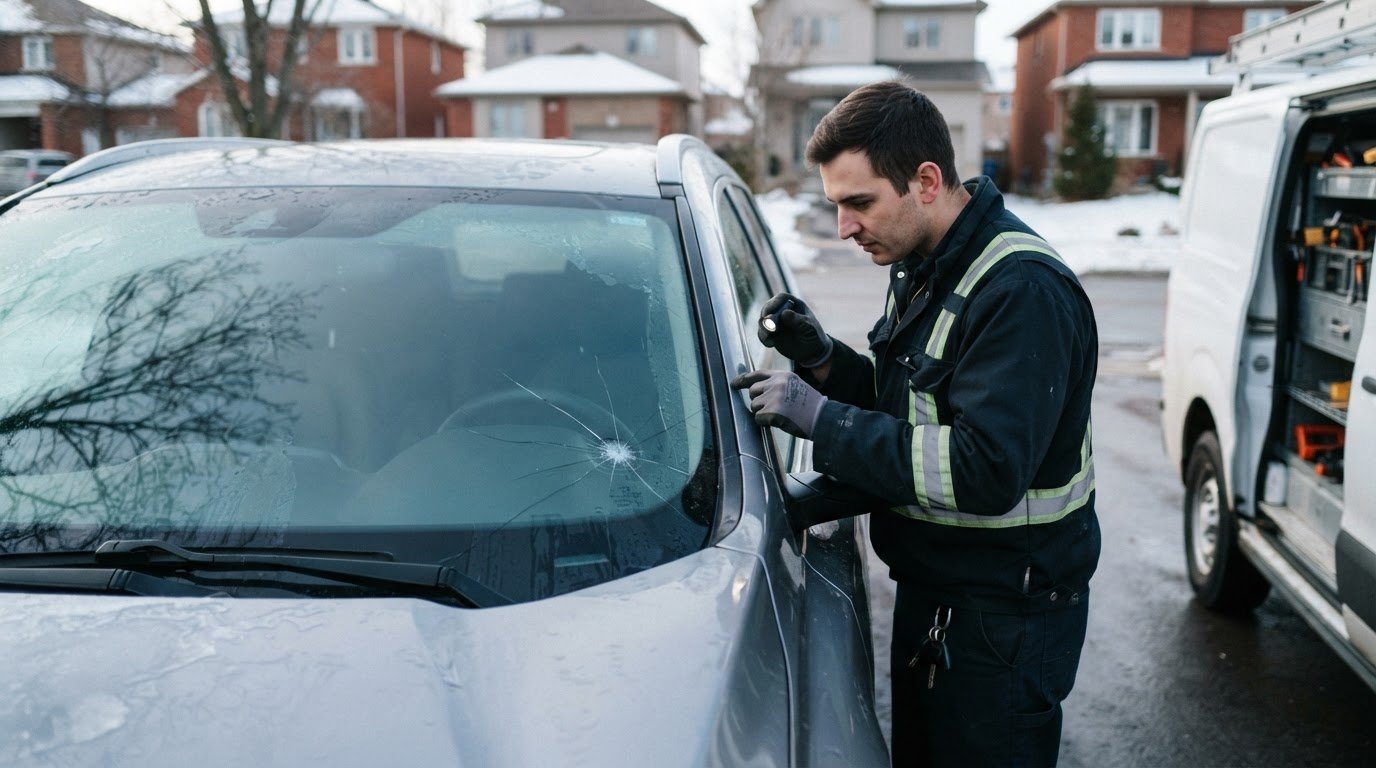
A small chip can become a spreading crack when windshield glass heats or cools unevenly. The temperature change effect on a windshield crack comes from expansion and contraction: sudden shifts put stress on damaged areas and can make them spread. Cold air conditioning directed at a hot windshield, or a defroster warming cold glass too quickly, can worsen existing damage.
If you’ve noticed a crack grow after a change in weather or while using your climate controls, the timing may not be a coincidence. Heat, cold, and rapid temperature shifts can all affect glass, especially where a chip or crack is already present. Understanding what’s happening can help you avoid adding stress and recognize when the damage needs attention.
This article explains how heat and cold affect windshield glass, why seasonal temperature swings in Canada can make damage worse, and what signs may point to repair or replacement. You’ll also learn practical ways to reduce temperature stress while deciding what to do next.
Key Takeaways
- Existing chips and cracks can spread when glass heats or cools unevenly, especially during sharp weather shifts.
- Use the defroster gradually and avoid directing cold air at a hot windshield to limit thermal stress.
- Watch for damage that grows, deepens, or sits in your line of sight; these signs can affect visibility and safety.
- Small chips may be repairable, while larger or spreading damage may call for windshield replacement.
- Learn how seasonal temperature changes affect glass and what steps can help protect a damaged windshield.
Can blasting cold AC crack a hot windshield?
Yes. Cold air directed at a hot windshield can cause uneven cooling, adding thermal stress that may make an existing chip or crack spread. A heater or defroster can also worsen damage if it warms cold glass too quickly. In both cases, changing the cabin temperature gradually helps reduce sudden temperature shifts across the glass.
Cold Air and Water on Hot Glass
Cold air conditioning or cold water can cool one part of hot windshield glass faster than another. This uneven temperature change creates stress, especially around a chip or crack, where the glass is already weakened. For example, spraying cold water on a sun-heated windshield may cause a small damaged area to spread.
On a hot day, start the air conditioning on low and direct the vents downward, or use the floor setting first. This cools the cabin without immediately blowing cold air at the windshield. Avoid pouring cold water on hot glass. When a chip is present, gradual cooling is the safer approach.
Weather Effects on Existing Chips
Weather can make existing windshield damage grow as glass expands in heat and contracts in cold. A chip may spread during a hot afternoon, then face further stress as temperatures fall. In Ontario, spring and fall can bring cold mornings, warm afternoons, and chilly evenings, exposing damaged glass to repeated changes in a single day.
Moisture adds another risk during colder months. Water that enters a chip can freeze below freezing, expand, and push the damage outward. As ice melts, moisture may also worsen the damaged area. If you spot a chip before winter, arrange glass repair promptly rather than waiting for a freeze-thaw cycle to test it.
Defroster Effects on Crack Growth
A defroster can make a windshield crack worse if hot air rapidly warms cold glass. The glass expands as it heats, but may not warm evenly. An existing crack can then lengthen under the added stress. For example, directing the highest heat setting onto a frosted windshield may cause damage to spread.
In winter, warm the windshield gradually instead of blasting it with hot air. Avoid hot water, too, since the sharp temperature difference can severely damage icy glass. Use an ice scraper designed for windshield ice and allow the defroster to clear the glass progressively. If the crack grows while defrosting, limit further temperature swings and address the damage.
Parking in a garage or shaded area can reduce exposure to sudden weather changes. While waiting for glass repair, keep cabin temperatures closer to outdoor conditions and avoid forceful temperature shifts. These steps can reduce added stress, but they can’t stop an existing crack from spreading in every condition.
When windshield damage may need repair or replacement
A chip can look small but still need prompt attention if it begins spreading, deepens, or affects your view. Windshield repair may suit minor damage that doesn’t interfere with the driver’s vision. A large or deep crack, or damage in the driver’s line of sight, may require windshield replacement to restore clear visibility and the glass’s role in vehicle safety.
A chip smaller than a quarter that hasn’t spread may be suitable for repair. Size alone doesn’t settle the decision: the chip’s depth and location, and whether cracks extend from it, also matter. Damage directly in front of the driver can obstruct vision even when it looks limited. If the chip grows after a temperature shift or road impact, arrange an assessment promptly rather than waiting for the next season.
Timing matters. Small chips repaired within the first few days rarely spread, while delays leave the damage exposed to weather and vibration. Freezing conditions can worsen a chip if moisture inside it freezes and expands. In summer, heat and sudden temperature changes may also add stress. Early repair may prevent minor damage from becoming a larger crack that calls for replacement.
Until the glass is repaired, avoid washing the vehicle, cleaning the damaged area, or using washer fluid. Water and cleaning products can enter the chip, while pressure from a car wash may widen a crack. A pothole or forceful door closing can also make damage grow. For example, avoid slamming the door if a crack is visible, and don’t direct washer fluid at the affected area.
Does Canadian auto insurance cover windshield crack repair or replacement? Many policies cover windshield replacement, but coverage depends on your policy. Review your coverage and deductible before deciding how to proceed. Auto Glass Ottawa is an insurance-preferred auto glass shop that handles claims directly with major Canadian insurers, helping you understand the claim process and the information your insurer may need.
Windshield repair is generally faster and less involved than replacement, but it’s appropriate only when the damage is minor and doesn’t affect the driver’s view. A crack that has spread, a deep impact, or damage in the sightline can point toward replacement instead. An assessment considers the location and extent of the damage, not just how noticeable it looks from outside.
If damage is growing or interfering with your view, don’t wait for another temperature swing to make the decision harder. Prompt glass repair can help limit further spread. If the damage is too extensive, windshield replacement addresses the full pane.
How Does Heat Actually Cause Windshield Cracks?
Heat makes windshield glass expand, and a rapid temperature change can make different areas expand unevenly. That uneven movement puts stress on chips and cracks, sometimes extending damage across the pane. A 30°C summer day can heat a vehicle’s interior to 60°C or more. If a damaged windshield sits in direct sunlight, heat-related expansion can enlarge the crack.
Windshield glass is laminated, with an outer layer that typically handles heat better than single-pane glass. That does not make a chipped windshield immune to thermal stress. A crack interrupts the glass’s surface, creating a weak point where expansion and contraction can concentrate. A temperature difference across the windshield exceeding roughly 50°F can leave glass more vulnerable to cracking, particularly when damage is already present.
Heat isn’t the only factor on summer roads. More summer driving increases exposure to collisions and road debris, including stones that can cause chips. Winter roads bring another practical concern: salt and loose grit can collect on the windshield, while road debris can strike the glass. Salt itself isn’t the impact. A stone thrown up by traffic can create the chip that later spreads under temperature stress. Clear visibility also matters when salt or dirt covers the glass.
Windshield damage can affect more than appearance. A crack may reflect light and create glare, making it harder to see the road. The windshield also contributes structural support and helps support airbag deployment during a collision. If heat turns a small chip into a long crack, the damage may affect visibility and the glass’s role in vehicle safety.
Vehicle inspections and registration are separate from the physical condition of the glass. If you’re preparing for an inspection, note whether a crack crosses the driver’s view or reflects light. Both are clear safety concerns. Don’t assume a registration document says anything about the windshield’s condition. Examine the glass itself, especially after a sudden temperature change, a stone impact, or a summer drive behind traffic on a debris-covered road.
To limit further stress, park in shade when possible and cool a hot vehicle gradually. Avoid directing cold air at a sun-heated windshield. If a crack appears or grows, treat the change as a warning rather than waiting for another heat cycle. An early assessment can determine whether the damage remains suitable for repair or has spread far enough to need replacement.
Temperature-driven glass expansion and contraction
Windshield glass expands as it warms and contracts as it cools. These movements are usually gradual, but direct sun can heat one area while another stays cooler. For example, a windshield facing afternoon sunlight may warm unevenly around its shaded edges. This difference in movement creates stress within the auto glass. A small chip or crack can become the weak point where that stress concentrates.
The windshield’s edges sit within the vehicle frame, so the glass cannot move freely in every direction. As the centre warms, it expands while cooler areas respond differently. A sudden switch from a cold cabin to strong heat can increase that uneven movement. The reverse can happen when cold air hits glass heated by the sun. That’s why the temperature change itself can matter, not just the highest or lowest temperature.
Glass expansion coefficients describe how different glass materials expand and contract as temperatures change. The practical point for drivers is simple: uneven heating and cooling can put more pressure on already damaged auto glass. A tiny impact mark may look unchanged while temperatures are steady, then extend after a rapid shift. That doesn’t mean temperature created every crack. An earlier impact may have weakened the glass first.
Heat causes glass to expand, while cooling causes it to contract. When those changes happen rapidly across different parts of the windshield, stress builds around the crack’s tip and edges. Picture a vehicle parked in direct sun, then started with cold air directed at the glass. That sudden cooling can add stress to a damaged area. Gradually cooling the cabin and keeping vents away from the windshield reduces abrupt changes.
Repeated expansion and contraction can make a crack longer or branch into nearby glass. Moisture inside damaged glass may also expand when it freezes, adding pressure in cold conditions. A small mark can therefore change after a drive, a temperature shift, or a freeze-thaw cycle. Check the damage after a noticeable change rather than judging it only by its original appearance.
Temperature stress matters because the windshield contributes to vehicle structural support. If a crack grows, compromises visibility, or affects a larger area of the glass, repair may no longer be suitable. The location, depth, and spread of damage help determine whether repair can address it or full replacement is needed. Don’t treat a growing crack as cosmetic. The glass is part of the vehicle’s safety system.
Rapid temperature changes and windshield cracks
A rapid temperature shift can start a crack even when you haven’t noticed an earlier chip. Glass expands or contracts with temperature; when one area changes faster than another, thermal stress can concentrate at a weak point. For example, a windshield moving quickly from a freezing outdoor environment into a heated garage experiences a sharp change across its surface. An unnoticed impact mark may then become visible.
Freeze-thaw conditions can make existing damage especially vulnerable. A windshield crack is stated to be 60% more likely to increase in size when the outside temperature drops below freezing. That figure describes increased likelihood, not a prediction for every vehicle. Moisture in a chip can freeze and expand, adding pressure to the damaged area. When the ice melts, the crack may remain longer than before.
Temperature changes inside the vehicle matter, too. If the windshield is cold, directing hot air at one small area can warm it faster than the surrounding glass. If the glass is hot, blasting it with cold air creates the opposite shift. Keep cabin temperatures closer to outdoor conditions while a crack awaits repair, and change the climate setting gradually rather than switching straight to maximum heat or cooling.
Pressure can compound thermal stress. Forcefully closing a door may jar cold glass, while potholes add vibration as the vehicle travels. If a crack is present, close doors gently and take care on rough roads. These actions don’t remove the damage, but they avoid adding sudden impacts while temperature changes already place stress on the windshield.
Choose a garage or shaded parking spot when available to reduce exposure to rapid outdoor heating or cooling. If the vehicle must remain outside, a windshield cover can help reduce winter snow and ice buildup. While waiting for repair, parking in shade and leaving the windows slightly open can help limit trapped cabin heat. Keep inside and outside temperatures more balanced instead of creating another abrupt shift.
Look at the crack after a major weather change, not only before driving. Note whether it has lengthened, developed branches, or moved into the driver’s view. If the damage changes, arrange professional attention as soon as possible. A spreading crack can affect visibility and the windshield’s structural role. The key is to reduce abrupt temperature swings, avoid added impacts, and act promptly when damage grows.
Auto Glass Ottawa: Windshield Repair
Auto Glass Ottawa can assess windshield damage and recommend repair or replacement based on its size, location, and depth. If a crack affects your view or keeps growing, prompt attention helps protect visibility and the windshield’s structural role.
Mobile service brings repair or replacement to your home or workplace in Ottawa and Gatineau, reducing disruption to your day. Windshield replacement includes ADAS camera recalibration, which helps restore the alignment of driver-assistance cameras. Workmanship and leakage are covered by a lifetime warranty, and Insurance Claim Assistance is available if you’re navigating a claim.
Contact Auto Glass Ottawa to discuss your windshield damage.
Take the next step before the crack changes
A windshield crack can change between one drive and the next, so make a plan for the damage rather than waiting for a more convenient moment. The temperature change effect on a windshield crack is a reminder that glass responds to its surroundings, and the next shift in weather or cabin temperature may add stress. Keep temperature changes gradual and avoid unnecessary pressure on damaged glass while arranging an assessment.
Consider what has changed since you first noticed the damage: its length, position, or effect on your view. That information can help clarify the next step and whether repair or replacement is appropriate. If the crack is affecting visibility, treat it as a safety concern and address it promptly.
Auto Glass Ottawa can help you decide what to do next. Arrange an assessment with Auto Glass Ottawa and move forward with a clearer plan for your windshield.
Frequently Asked Questions
What Is Thermal Shock?
Thermal shock is the name for stress in glass caused by an abrupt temperature difference across it. The effect of temperature change on a windshield crack depends partly on whether the glass already has impact damage. Thermal shock can also occur without an obvious crack appearing right away. If a new line appears after a sudden change, note where it starts and whether it grows before arranging an assessment.
What Temperatures Are Dangerous for Your Windshield?
No single temperature makes every windshield unsafe, so an outdoor reading alone can’t tell you whether your glass is at risk. The condition of the damaged pane and how quickly its temperature changes also matter. Don’t treat a weather-app number as a safe-or-dangerous cutoff. Instead, avoid abrupt changes between cabin and outdoor air, and pay attention to visible changes in the glass.
What Types of Cracks Does Heat Typically Create?
Heat-related damage may appear as a line without a fresh impact mark, while a stone chip usually has a visible point of impact. That difference can help you describe what you see, but it doesn’t establish the cause or the appropriate fix. Take a clear photo from outside and inside the vehicle, then note when the mark first appeared and what conditions preceded it.
How quickly can a windshield crack grow in cold or hot weather?
There’s no dependable timetable for crack growth. The temperature change effect on a windshield crack varies with the damage and the conditions. Track it by taking a dated photo from the same position, using a fixed reference such as the windshield frame. Compare later photos for new branches or a longer endpoint, and mention those changes during an assessment.
Can pouring hot or cold water on a cracked windshield cause it to spread?
Yes, pouring hot water on icy glass can severely damage it, and cold water on sun-heated glass can add abrupt temperature stress. Don’t test a crack by applying water or use water to clear frost. If ice covers the windshield, use an ice scraper made for glass without striking or stabbing the surface. Keep water away from the damaged area until it’s assessed.
Which windshield cracks are most likely to worsen with temperature changes?
Damage with visible branches, cracks that reach the windshield edge, and chips showing signs of moisture deserve prompt attention. These features can help you explain the damage, but they don’t reliably show how much the glass has weakened. Avoid judging risk by the crack’s appearance alone. Note its position, shape, and any recent change so an assessment can consider the full pattern.
How can I prevent a windshield crack from spreading during a temperature change?
There’s no household method that repairs a crack or guarantees it won’t grow. Keep a simple record: photograph the damage, note when you first saw it, and record any visible change after driving or a weather shift. Avoid experimenting with heat or water on the glass. If the crack changes, arrange an assessment rather than relying on a temporary cover to restore the windshield’s strength.
Is it safe to drive with a temperature-sensitive windshield crack?
You can’t judge driving safety from the crack’s length alone. Consider whether it obstructs your view, creates distracting reflections, or has changed since you last drove. If visibility is impaired, don’t continue driving. Arrange a safe way to have the vehicle assessed. If the damage is outside your view but still changing, have it evaluated before relying on the vehicle for regular trips.