
Driving With a Cracked Windshield in Ottawa Winter: How Long Is Safe
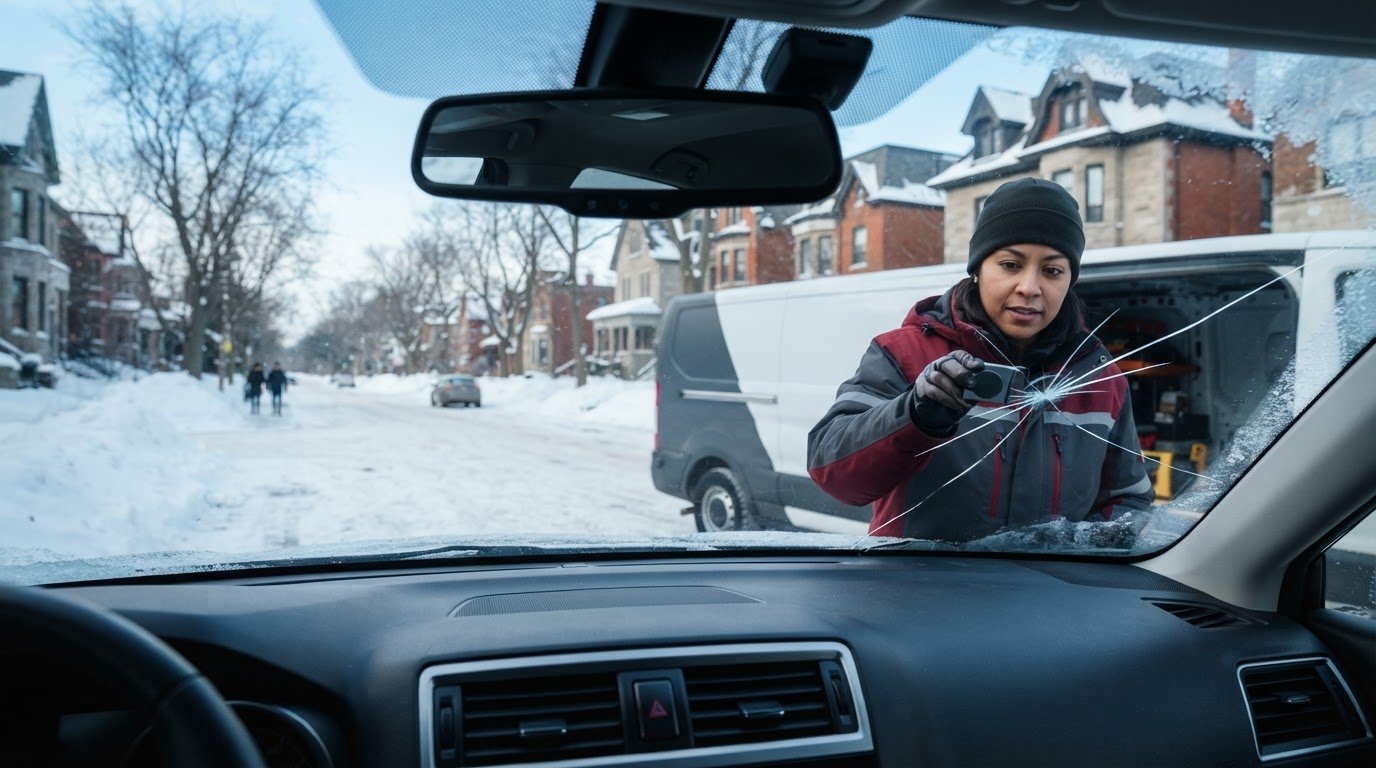
There’s no fixed number of hours or days that makes driving with a cracked windshield in winter in Ottawa safe. Cold-weather temperature changes can make damage spread, and Ontario’s Highway Traffic Act, section 74, requires drivers to have a clear, unobstructed view through the windshield. If the crack interferes with your view, don’t treat the trip as safe just because the damage looks small.
It’s understandable to hope a short crack can wait until the weather improves. But visibility, the crack’s position and whether it’s spreading all matter. Sudden heat from the defroster can also stress cold glass.
This article explains what affects how long you may be able to drive, how Ontario’s visibility rule applies and how freezing weather can change windshield damage. You’ll also learn how to limit added stress and when repair or replacement is the safer next step.
Key Takeaways
- There’s no set safe waiting period: a crack that affects your view calls for prompt action, not a guess about how long it can wait.
- Ontario requires a clear, unobstructed view through the windshield, so where damage sits matters as much as how it looks.
- Learn which signs can point to a repairable chip and which may mean the windshield needs replacement.
- Ottawa’s freeze-thaw swings can put extra stress on damaged glass; find out how to reduce sudden temperature changes while arranging a fix.
- A replacement may involve more than new glass if your vehicle’s driver-assistance camera needs recalibration.
How does a cracked windshield affect driving safety?
Before Ottawa’s first freeze, inspect both the front and rear windshields in daylight. Look for stone chips, short cracks, damage near the glass edge, and marks in the driver’s sightline. Clean the glass first, then note each defect’s position and length. Frost, road spray, and winter glare can make damage harder to spot. Arrange an assessment within the week you notice a chip or short crack that starts away from the edge.
Damage can obstruct your view or distort what you see through the glass. That matters on a highway, where you need a clear view of traffic, signs and changing road conditions. Ottawa’s winter temperature swings can also stress damaged glass. Moisture may enter a chip and expand as it freezes. A mark that looks stable during a mild afternoon can change after a cold night or sudden cabin heat.
Repair or replacement depends on the damage’s size, location, and pattern. Chips smaller than about a toonie are often suitable for repair. Small chips and short cracks typically under 15 cm may often be repaired with resin injection when they’re away from the driver’s line of sight. A crack longer than 15 cm requires replacement. Damage in front of a forward camera or rain sensor also calls for replacement and recalibration.
- Check whether the damage sits in the driver’s direct view or within the wiper-swept area.
- Look for cracks reaching the glass edge, spreading lines, or a spidered impact point.
- Record the location and approximate size before winter conditions make inspection harder.
In Ontario, many auto insurance policies with glass coverage pay for windshield repair or replacement, sometimes with no deductible or a low one. Review your policy’s glass coverage and deductible before arranging work. If you’re insured for glass damage, find out whether your insurer requires approval before the repair. Prompt windshield repair may preserve a repairable chip before cold weather makes the damage harder to address.
A police officer who believes a crack impairs your vision can issue a repair notice with a deadline. Read the notice carefully and meet its deadline; ignoring it can lead to further penalties. If the crack affects your view, don’t treat a short trip or clear weather as proof it’s safe to drive. Visibility remains the key concern.
Is a Cracked Windshield Illegal in Ontario?
Yes. A windshield crack that impairs your view can make the vehicle unsafe and cause it to fail an Ontario safety inspection. If it affects the driver’s view, the vehicle can’t be certified until the glass is repaired or replaced.
Damage in the critical viewing area
The critical viewing area is the part of the windshield the driver needs to see the road and traffic clearly. A crack there can distort vehicles, signals, or lane markings, especially when sunlight or headlights catch the glass. In Ontario, damage larger than a loonie, about 26 mm, in this area is an enforcement concern. A small mark outside it may still matter if it spreads into the driver’s line of sight.
Impaired vision from windshield damage
Impaired vision means windshield damage blocks, distorts, or interferes with the driver’s view. Ontario’s Highway Traffic Act, section 74, requires a clear, unobstructed view through the windshield. A crack across the driver’s view can make it harder to judge highway traffic or spot hazards through snow and spray. If a police officer believes the damage impairs your vision, the officer can issue a repair notice with a deadline. Ignoring that notice can bring further penalties.
Canadian driving rules for windshield damage
Windshield damage that obstructs the driver’s view can raise safety and enforcement concerns, and inspection and enforcement details may differ by province. In Ontario, a crack that impairs the driver’s view can fail a required safety standards inspection. The vehicle can’t be certified until the windshield is repaired or replaced. Ontario fines for windshield damage range from C$110 to C$500. A freeze can worsen damage, but the visibility problem, not the season, determines whether the view is obstructed.
A windshield also contributes to passenger protection during a collision. It provides 60% of a vehicle’s roof support in a rollover, so damage can affect more than the driver’s view. A cracked windshield may also let an airbag inflate toward an opening if the glass shatters during a collision. For example, a crack reaching the glass edge or spreading across the windshield raises concerns about the glass’s condition and its role in vehicle structure.
Ontario auto insurance policies with glass coverage often cover windshield repair or replacement, sometimes with a zero or low deductible. Coverage terms depend on the policy, so review the glass provisions and claim process before arranging work. Insurance doesn’t remove the need for a clear view or replace an inspection requirement. An insurer may also argue that a visually impairing crack contributed to a collision when assessing a claim. Keep a record of the damage and any police repair notice.
Choosing professional windshield replacement
Replacement is generally needed when damage affects visibility, reaches the glass edge or compromises the windshield’s condition. Installation quality matters too. The windshield bonds to the vehicle frame and contributes to structural support, so correct glass fit and secure bonding affect more than appearance.
Selecting a professional replacement service
Professional windshield replacement involves matching the glass to the vehicle and bonding it securely to the frame. Auto Glass Ottawa’s certified technicians install OEM-quality glass and adhesives. The original bonded seal between the glass and frame must be addressed during removal and refitting. These details help protect the vehicle’s structure and limit problems such as leaks or wind noise.
Many vehicles have a forward-facing camera mounted near the windshield. After replacement, ADAS camera recalibration aligns the camera so driver-assistance features can interpret the road correctly. Recalibration is required for vehicles equipped with these systems and is included with every windshield replacement. Auto Glass Ottawa’s free mobile service brings the work to your home or office.
Replacing large or edge-reaching cracks
A large crack, one in the driver’s direct line of sight, or one reaching the windshield edge generally calls for full replacement in Ontario. A crack longer than a business card or touching the edge is another reason replacement may be needed. Edge damage matters because it can weaken the glass bond with the vehicle frame and affect the windshield’s role during a collision.
Repair isn’t suitable for every narrow-looking crack. The technician considers its length, location, impact pattern, and proximity to sensors. Damage in front of a forward camera or rain sensor requires replacement and recalibration. Recalibration means aligning the camera after the glass changes, helping driver-assistance features read the road as intended.
Before arranging work, note the vehicle’s make, model and year, and record where the crack starts and ends. A photo from inside and outside can help show whether it crosses the driver’s view or reaches an edge. Include any visible camera or rain sensor near the windshield. These details help identify the right glass and any calibration needs.
Ontario auto insurance may cover windshield replacement under a policy with glass coverage. Check whether a deductible applies and whether your insurer requires claim approval before work starts. A ticket or inspection concern doesn’t determine whether repair will work; the damage itself does. If a crack impairs your view, don’t treat replacement as optional simply because the vehicle still moves.
After installation, follow the technician’s safe-driving instructions. The adhesive needs time to cure, so wait approximately one to two hours before driving. A secure windshield supports the vehicle’s structure and gives airbags a surface to work against during a collision.
Can You Stop Windshield Crack Spreading at -20°C?
You can reduce sudden stress on damaged glass, but winter precautions can’t guarantee a crack will stay the same size. In Ottawa, freeze-thaw swings and abrupt temperature changes can worsen windshield damage.
Ottawa freeze-thaw cycles
Freeze-thaw cycles happen when temperatures rise above freezing, then drop below it again. Ottawa can see temperature changes of 15 degrees in one day during late-fall and early-spring swings. Moisture can enter a chip during a milder period, then freeze overnight and widen the damage. Repeated changes put stress on the glass, so a crack may grow even when the vehicle is parked.
Cold and freezing moisture
Water expands by about nine percent when it freezes, which can push against the sides of a crack. At -20°C, a defroster can heat the inside layer while the outside remains cold, creating uneven temperature stress. Driving from a heated garage into -25°C air can also make windshield layers contract unevenly. Below about -15°C, careful driving may not prevent a stressed crack from growing.
Use gradual heat instead of directing full defroster heat at a frozen windshield. Let the glass warm gradually for ten to fifteen minutes before increasing the setting. Avoid pouring warm water on frozen glass or using a scraper forcefully over the damaged area. Each sudden temperature change can add strain, especially when a crack already has moisture inside.
If the crack is exposed, clear packing tape can temporarily help keep moisture and debris out. Apply it only to a clean, dry surface, and don’t treat tape as a repair. Avoid automated car washes, since their water and pressure can encourage a crack to spread. A heated garage may slow crack growth overnight, but it won’t stop it.
Check the damage again after a freeze or a sharp change in cabin temperature. A small chip can spread within days in cold weather, and an untreated crack may extend across the windshield during a cold snap. If the line grows toward the driver’s view or reaches the glass edge, arrange an assessment promptly. The change may affect visibility, the vehicle’s structural support, and whether it passes inspection.
A windshield crack itself doesn’t automatically mean driving is illegal; impaired visibility is the central concern under Ontario rules. But winter precautions don’t restore clear sightlines or reverse damage. If a crack is spreading, avoid relying on the airbag or windshield’s structural role remaining unaffected in a collision. Have the glass assessed and follow any police repair deadline.
Ontario windshield visibility requirements and fines
Ontario’s visibility rule focuses on whether you can see clearly through the windshield. The crack’s effect on your view matters more than its appearance alone.
Windshield visibility requirements
Ontario’s Highway Traffic Act, section 74, requires drivers to have a clear, unobstructed view through the windshield. Visibility can change with the crack’s position, glare, rain, snow, or oncoming headlights. For example, a line across your view may obscure a traffic signal even if it looks narrow from outside. Check the glass from the driver’s seat, with the vehicle stationary, and consider whether damage interferes with seeing the road.
Cracked windshields, rules, and fines
Ontario rules treat windshield damage as a safety concern when it impairs the driver’s view. A police officer who believes a crack affects vision can issue a repair notice with a deadline. Ontario fines for windshield damage range from C$110 to C$500. Don’t assume a crack is acceptable because it sits outside the centre of the glass; a spread into your sightline can change the visibility concern.
Use a simple check before driving: sit in your normal position, look through the windshield and scan the full road view. Note whether a crack crosses your line of sight or catches light in a way that distorts traffic. In Ottawa, snowbanks, spray and early darkness can make visibility harder, so damage that seems minor in a driveway may be more distracting on a busy road.
A ticket and a vehicle inspection are separate matters. A ticket concerns enforcement on the road, while an inspection assesses whether a vehicle meets applicable safety standards. In Ontario, windshield damage that impairs the driver’s view can cause a vehicle to fail a required safety inspection. If an inspection identifies that problem, the windshield must be repaired or replaced before certification.
Don’t judge the risk by crack length alone. A short line in the driver’s view can interfere with visibility, while damage elsewhere may raise different concerns. A crack can also spread after a freeze or sudden temperature change, shifting into the driver’s sightline. Recheck its position before setting out, especially after Ottawa’s winter weather changes.
A damaged windshield can also affect structural protection in a rollover, not just forward visibility. That makes prompt attention relevant even when a crack hasn’t yet caused a ticket. If damage crosses your view or changes how clearly you see traffic, arrange an assessment rather than relying on visual estimates. Get your windshield damage assessed before it further affects your view.
Auto Glass Ottawa: Windshield Repair
Auto Glass Ottawa can help when winter damage needs professional attention. If a chip or short crack may be repairable, Windshield Repair can address it before it spreads. If the crack is large, reaches the glass edge or affects your view, Windshield Replacement may be the safer next step.
Mobile service brings windshield repair or replacement to your home or workplace, reducing disruption to your day. If you’re using insurance, Insurance Claim Assistance can help with the claim process. The appropriate option depends on the damage’s size, location, and effect on visibility.
Contact Auto Glass Ottawa to discuss your windshield damage and arrange the next step.
Make your next move before winter damage changes
The safest next step for driving with a cracked windshield in winter in Ottawa is to act on the damage you can see rather than wait for a warmer day. Note where the crack sits, whether it has spread and whether it affects your view. This gives a technician useful context for assessing the glass and recommending the next step.
Auto Glass Ottawa offers Windshield Repair for damage that can be repaired, Windshield Replacement when the glass needs replacing and Mobile Windshield Repair at your location. If you’re using insurance, the team can help handle your claim. These options let you address the glass issue without guessing whether it can safely wait.
Choose a clear next step for your vehicle and your visibility. Contact Auto Glass Ottawa to discuss your windshield damage, and move forward with greater confidence on the road.
Frequently Asked Questions
How long can I drive with a cracked windshield in winter?
There’s no reliable safe waiting period for driving with a cracked windshield in Ottawa’s winter conditions; the damage can change as temperatures shift. If it obstructs your view, don’t drive the vehicle. If visibility remains clear, arrange an assessment promptly instead of assuming the crack will stay stable. Before leaving, check the glass from the driver’s seat and note whether it has grown. Avoid a highway trip if the crack affects your view.
Will my insurance cover the repair?
Many Ontario comprehensive auto insurance policies cover windshield repair or replacement, but your policy determines the coverage and deductible. Before arranging work, review your glass coverage and ask your insurer whether approval is needed first. Have your policy details and a clear description of the damage ready. For example, note whether it’s a chip or longer crack, where it sits, and whether it has spread since you noticed it.
Does chip repair work in cold weather?
Yes, a chip can be repaired in cold weather, but extreme cold can affect how repair resin cures. Auto Glass Ottawa’s certified technicians account for Ottawa’s climate when carrying out repairs. Don’t apply household glue or heat the chip with a hair dryer; these can complicate the damage. Keep the area as dry as possible and arrange a professional assessment rather than waiting for spring.
How fast can a crack spread overnight?
A crack can spread several centimetres overnight during a deep freeze, especially if moisture entered the damage or the defroster heated the glass suddenly. There’s no dependable hourly rate to use for planning. Compare the crack’s position before and after a cold night, and watch for new branches or a line reaching the glass edge. If it grows toward your view, avoid driving and arrange prompt attention.
Windshield Replacement vs Windshield Repair, which one do you need?
Repair may suit a small chip or short crack away from the driver’s view and the glass edge. Replacement is generally needed for longer cracks, edge-reaching damage, multiple cracks or damage in front of a forward camera or rain sensor. For example, a spreading crack that crosses the driver’s view raises different concerns than an isolated chip. The damage’s location and pattern help determine the appropriate work.
Is it legal to drive in Ottawa with a cracked windshield in winter?
A crack isn’t automatically illegal just because it exists; the key issue is whether it impairs your view. Ontario requires an unobstructed view through the windshield. If a police officer believes damage affects your vision, they can issue a repair notice with a deadline. Follow the notice’s instructions. If the crack blocks your view before then, don’t drive simply because the deadline hasn’t passed.
What does Ontario law say about windshield cracks obstructing a driver’s view?
Ontario’s Highway Traffic Act, section 74, requires drivers to have a clear, unobstructed view through the windshield. A crack that interferes with that view can lead to enforcement and may cause a vehicle to fail a required safety inspection. If an inspection failure concerns impaired visibility, the vehicle can’t be certified until the windshield is repaired or replaced. Check your view from the driver’s seat, not just outside the vehicle.
How do freezing temperatures and road salt affect windshield cracks?
When driving with a cracked windshield in Ottawa’s winter weather, freezing temperatures can worsen damage if moisture enters the glass and freezes. Sudden defroster heat can add temperature stress. Road salt spray and residue can make the windshield harder to see through, even if they don’t determine whether a crack spreads. Use winter washer fluid suited to local temperatures, clear the glass gently and avoid abrupt heat changes around damaged areas.