
Wind Noise After Windshield Replacement: How to Fix It
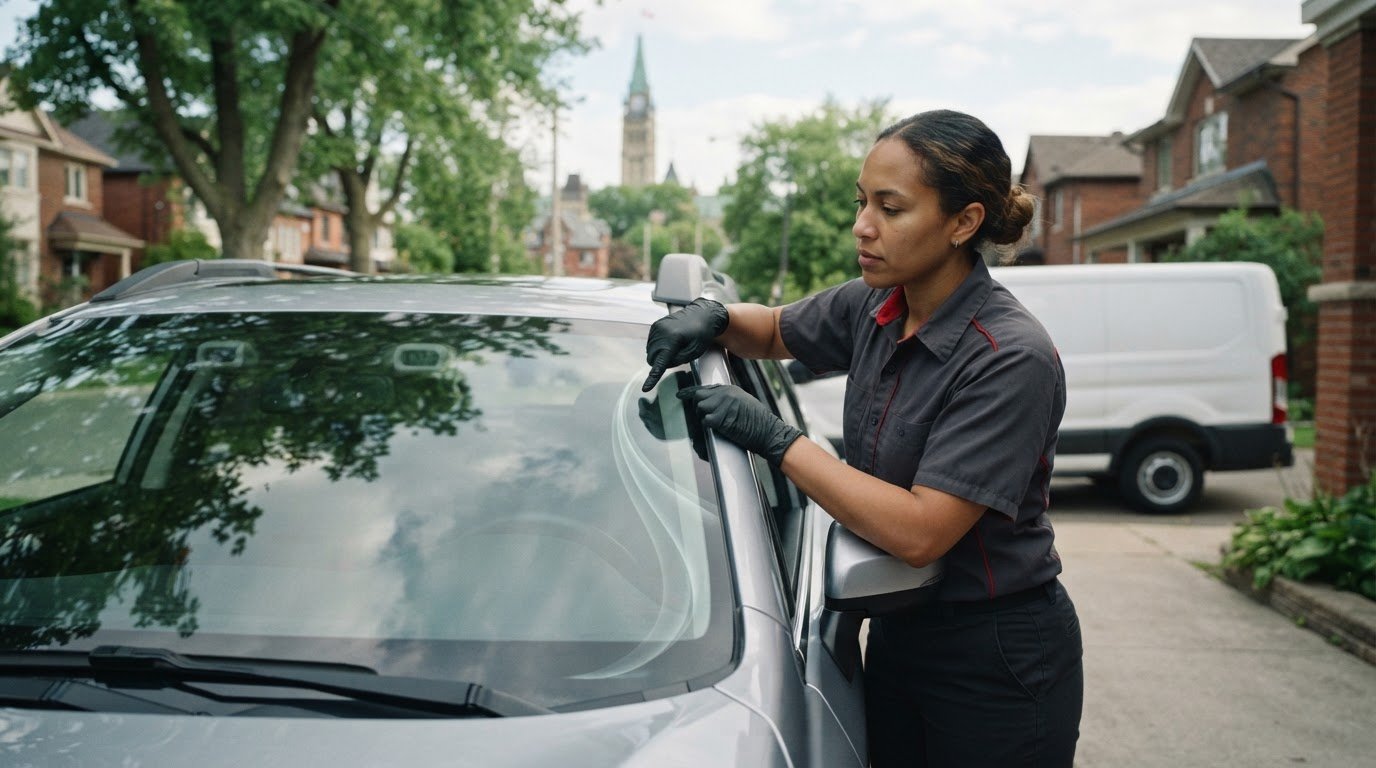
What if the whistle after a windshield replacement is more than a driving annoyance? If you’re looking for a wind noise after windshield replacement fix, it’s understandable to wonder whether the glass is sealed correctly or whether the sound has another cause. A gap in the seal or a loose trim piece may let air through, but the noise alone can’t confirm what’s wrong.
You don’t need to guess or try to press the glass into place. This guide covers common causes, safe observations you can make, and details to share with the installer, such as when the sound starts and where it seems loudest. It also explains why a professional inspection is the right next step if the noise persists. In Ottawa and Gatineau, mobile service may reduce disruption by bringing an assessment to your home or workplace. If you’re concerned about the installation, contact the installer and ask whether the issue may be covered by its workmanship or leakage warranty.
Key Takeaways
- Wind noise can come from a seal or trim-fit issue, but the sound alone can’t confirm the cause.
- For a safe wind noise after windshield replacement fix, note when and where the sound occurs instead of trying to adjust the glass yourself.
- Record the replacement date, driving conditions, and any visible signs of water, then share these details with the installer.
- Ask the installer to inspect persistent noise, water intrusion, or visible fit concerns.
- In Ottawa and Gatineau, mobile service may make it easier to have a professional assess the issue at your home or workplace.
Wind Noise After Windshield Replacement: What the Sound May Mean
A new sound after windshield replacement can be frustrating, especially when you’re unsure whether the glass is sealed correctly. It deserves a clear assessment, but the sound alone can’t confirm that the factory seal has failed or pinpoint where the noise starts.
Wind noise is an air-like whistle, hiss, flutter, or rushing sound heard while driving. It may seem to come from the windshield, but sounds can travel through a vehicle’s cabin and be difficult to locate by ear. A useful distinction is: wind noise is a symptom; a faulty installation is a diagnosis that requires inspection.
This difference matters because the windshield is more than a pane of glass. It’s made from laminated safety glass, and its fit and bonding contribute to the vehicle’s safety and structural support. If the noise began after replacement, share that timing with the installer rather than assuming the cause. A professional can inspect the windshield area and determine whether further attention is needed.
How to describe the noise clearly
Describe the sound as specifically as you can. Is it a sharp whistle, a steady hiss, a flutter, or broad rushing-air noise? Note when it begins, such as at a particular speed or during crosswinds, and whether it changes with the ventilation setting, open or closed windows, or vehicle speed. These observations can help an installer decide what to inspect, but they don’t establish a diagnosis.
Why timing after replacement matters
When the noise started is useful diagnostic information, not proof of a specific fault. The installer may check whether the trim or moulding sits correctly, how the glass is bonded, or whether there’s a small path for air near the windshield. Similar sounds can also come from door seals, mirrors, or the cowl area at the base of the windshield.
For a safe wind noise after windshield replacement fix, avoid guessing at the source or trying to press the glass or trim into place. Pay attention to the sound during normal driving only when conditions are safe. If it persists, your observations can help the installer assess the right area and decide what should happen next.
What Can Cause Wind Noise Around a Replaced Windshield?
Wind noise near a newly replaced windshield can have several possible sources. A small air path around the glass, trim that isn’t seated evenly, or noise coming from elsewhere on the vehicle may feel similar from the driver’s seat. Treat these as points for a technician to inspect, not faults you can confirm by listening alone.
A professional inspection must confirm where the sound originates and whether it’s related to the windshield installation. That matters because the windshield’s bonded fit plays a role in vehicle safety and structural integrity. The right wind noise after windshield replacement fix depends on identifying the source, rather than covering a suspected gap.
Windshield bonding, trim, and the factory seal
The factory seal is the original bonded seal between the vehicle glass and its frame. After replacement, adhesive secures the glass and must bond as intended. A technician may check for inconsistencies in the bonding or whether trim and moulding sit correctly against the glass and vehicle body. These are inspection points, not conclusions to draw from the sound alone.
Windshield adhesive curing is the hardening process through which the adhesive develops its bonding strength. Follow the installer’s instructions about vehicle use while it cures. If you hear noise during or after that period, contact the installer for guidance rather than pressing on the glass or adjusting the trim yourself. The Auto Glass Replacement Safety Standard (AGRSS) offers information about procedures for safe auto glass replacement.
When the sound may come from somewhere else
Air noise can also come from door weatherstripping, mirror housings, roof accessories, or the cowl area at the base of the windshield. Airflow around these parts can create a whistle or rushing sound, and noise can travel through the cabin in ways that make its source hard to pinpoint. The timing after replacement is useful context, but it doesn’t prove the windshield is at fault.
- Note whether anything on the roof or around the mirrors has changed.
- Tell the installer if the sound seems to shift with speed, wind direction, or ventilation settings.
- Check for visible signs of water intrusion, but don’t remove trim or apply household sealant to look for a leak.
These details help a technician assess the glass, its bonding, and surrounding parts without risking damage through a DIY attempt. If you’re in Ottawa or Gatineau, you can ask about professional windshield replacement support and whether mobile service is available for your situation.
How to Check Wind Noise After Windshield Replacement Safely
You can collect useful details without touching the glass or trying to seal a suspected gap. Observe the sound during normal driving only when road and weather conditions are safe. Don’t change settings or make notes while driving if doing so could distract you. Pull over safely before writing anything down.
Record the conditions that reproduce the sound
After stopping, note the conditions that seemed to bring on the noise. Include details such as:
- Approximate vehicle speed and whether the sound started or changed as you accelerated.
- Weather and wind direction, including whether you noticed crosswinds.
- Whether the heating or ventilation system was running, and which setting it was on.
- Which area seemed loudest, such as the top edge of the windshield or a side corner.
Cabin acoustics can make the source seem closer to the windshield than it is, so describe what you noticed without treating it as a diagnosis. If you have a passenger, ask them to observe the sound while you keep your attention on driving. Research into windshield design also examines factors that affect acoustical performance, but noise after replacement still needs assessment in the context of your vehicle and its installation.
Spot signs that need prompt professional attention
When the vehicle is parked, look from inside and outside for obvious trim gaps, visible separation, or signs of water intrusion. Don’t press on the glass or mouldings, remove trim, or apply sealant. These steps could damage parts or make it harder for a technician to assess the original condition.
Contact the installer if you notice water inside the vehicle, visible separation, or movement around the glass. Don’t assume a persistent new noise is harmless; ask whether the installer can assess it. Ultrasonic leak detectors are professional diagnostic tools that may help locate water leaks. You don’t need to buy one or attempt to test the vehicle yourself.
If the glass appears unstable or your visibility is affected, stop driving when it’s safe to do so and seek professional advice before continuing. Otherwise, share your notes and observations with the installer. This gives them a clearer starting point for identifying the source and deciding whether the wind noise after windshield replacement fix calls for attention to the windshield or another part of the vehicle.

What to Do If Wind Noise Continues After the Replacement
If the noise persists, take a clear, practical approach rather than trying to seal or adjust anything yourself. Document what you notice, contact the installer, and ask for an inspection. The sound may come from the windshield area or another part of the vehicle, so an assessment should check possible sources instead of assuming the glass is at fault.
- Write down the details. Note your vehicle’s year, make, and model, the windshield replacement date, when the sound occurs, and the conditions that seem to affect it.
- Record any visible signs. Tell the installer if you’ve noticed water inside the vehicle, a visible gap, or movement around the glass. Don’t press on the windshield or try to recreate a leak.
- Contact the installer and request an inspection. Share your notes and ask what assessment is appropriate. If the installer wasn’t arranged directly by you, contact the provider responsible for the replacement.
This information helps the technician distinguish a windshield bonding or trim concern from other possible air leaks. It gives them a useful starting point without requiring you to identify the source yourself. A professional inspection is the safest route to a suitable wind noise after windshield replacement fix.
What to ask the installer to inspect
Ask whether the inspection will include how the glass is seated, the fit of surrounding trim, and the bonded seal. You can also ask whether the installation and the instructions for windshield adhesive curing were followed. Request a plain-language explanation of the findings and any recommended corrective work. Avoid DIY caulking, trim removal, or pressure tests, which could affect the installation or complicate the assessment.
Warranty and insurance questions to clarify
Ask whether the workmanship and leakage warranty applies to the concern you’ve reported, and what the next steps would be. Auto Glass Ottawa provides a lifetime warranty on workmanship and leakage, but the provider must confirm eligibility for your specific situation. If an insurer arranged the replacement, have your claim details ready and check whether the insurer or glass provider should handle the follow-up.
A little preparation can make the follow-up easier. If you’re in Ottawa or Gatineau, contact Auto Glass Ottawa about a windshield inspection. Mobile service may reduce disruption, and the team can confirm availability and how to proceed.
Get Professional Help for Wind Noise After Windshield Replacement
If wind noise continues, you notice water inside the vehicle, or the glass or surrounding trim appears out of place, ask a certified technician to inspect it. A professional assessment can help determine whether the concern relates to the windshield installation or another air path. Don’t treat a persistent new sound as harmless or try to correct the fit yourself. The windshield’s bonded installation is relevant to vehicle safety and structural integrity, so concerns deserve a careful assessment.
What a professional assessment can establish
A technician can assess the windshield’s fit, bonding area, and mouldings, and consider any signs of water you’ve reported. If the windshield doesn’t appear to be the source, they can look into other likely paths for airflow. Share when the noise began and the conditions that bring it on. Your observations can guide the inspection, but they won’t replace it.
If your vehicle has a driver-assistance camera near the windshield, ask whether the replacement work involved ADAS camera recalibration. Recalibration checks that the camera is aligned after the glass work. An ADAS health check may also be relevant if there’s a concern about whether the system is functioning as intended. The technician can clarify what applies to your vehicle and the work performed.
Auto Glass Ottawa serves Ottawa and Gatineau with mobile windshield service and has over 15 years of experience. Its lifetime warranty covers workmanship and leakage, but the provider must confirm whether it applies to your reported concern and explain the next steps. Ask about warranty eligibility when arranging an assessment.
Arrange a convenient next step in Ottawa or Gatineau
When requesting service, share your vehicle’s year, make, and model, when the windshield was replaced, and what you’ve observed. Mention any water intrusion or visible fit concerns. These details help the team understand your concern and confirm service availability for your location.
In Auto Glass Ottawa’s service area, mobile service at your home or workplace may reduce disruption to your day. You can ask about an assessment without trying to diagnose the source or make repairs yourself.
Request help with your windshield concern and confirm service-area availability and warranty next steps with the team.
Take the Next Step Toward a Quiet, Secure Windshield
A new whistle, hiss, or rushing sound after windshield replacement is a reason to ask for an assessment, not guess at the cause. Note when the noise occurs and any signs of water or visible fit concerns, then share those details with the installer. Don’t press on the glass, remove trim, or apply sealant. A professional can inspect the windshield area and consider other possible sources.
For a wind noise after windshield replacement fix, Auto Glass Ottawa’s certified technicians bring over 15 years of experience serving Ottawa and Gatineau. Mobile service in the area can make an assessment more convenient at your home or workplace. The company also provides a lifetime warranty on workmanship and leakage; ask the team to confirm whether it applies to your concern.
Contact Auto Glass Ottawa to arrange a professional assessment. Share your observations and ask the team about a convenient next step.
Frequently Asked Questions
Can wind noise after windshield replacement be normal?
A slight change in sound may be noticed shortly after installation, but persistent new whistling or rushing noise shouldn’t simply be written off as normal. It may relate to trim, bonding, or another source, and the sound alone can’t confirm a fault. Note when it occurs and contact the installer for an assessment, especially if you notice water signs or a fit concern. Follow the installer’s vehicle-use and adhesive-curing instructions.
What causes a whistling sound after a new windshield is installed?
A whistle may come from airflow around the windshield, but its sound alone can’t confirm the source. An installer may check the glass bonding, trim or moulding fit, and whether there’s a small air path. Door weatherstripping, mirror housings, roof accessories, or the cowl area can also produce similar sounds. Because cabin acoustics can mislead, have a professional inspect persistent noise rather than trying to identify or seal a gap yourself.
How do I fix wind noise after windshield replacement?
For a wind noise after windshield replacement fix, document when the noise occurs, then contact the installer and request an inspection. Share your vehicle details, replacement date, the conditions that bring on the sound, and any visible water signs. Don’t press on the glass, remove trim, or apply sealant. The installer can assess the windshield area and consider other possible sources before recommending corrective work.
Is it safe to drive if my windshield makes a wind noise?
Wind noise alone doesn’t confirm that the windshield is unsafe, but a persistent new sound deserves an assessment. Contact the installer, particularly if you also notice water intrusion, visible separation, or movement around the glass. If visibility is affected or the glass appears unstable, stop driving when it’s safe to do so and seek professional advice before continuing. Don’t try to test the glass by pushing on it.
Can a windshield leak without visible water inside the vehicle?
Yes, a leak may not leave obvious water inside the cabin right away. Moisture may be difficult to see or may appear only under certain conditions, so a dry floor or dashboard doesn’t rule out a leak. If you notice dampness, water marks, or a musty smell after replacement, tell the installer and ask for an assessment. Don’t remove trim or use household sealant to search for the source.
Will the installer fix wind noise under a workmanship warranty?
It depends on the provider’s warranty terms and the findings of an inspection, so ask the installer to confirm eligibility and next steps. Auto Glass Ottawa provides a lifetime warranty on workmanship and leakage, but that doesn’t confirm coverage for every reported noise. If an insurer arranged the replacement, keep your claim details available and ask which provider should handle the follow-up.
Should I wait for windshield adhesive curing before reporting wind noise?
No, you can report the noise promptly and ask the installer what to do while the adhesive cures. Windshield adhesive curing is the hardening process that develops bonding strength, and the installer should provide vehicle-use instructions for the product and conditions. Don’t wait to report persistent noise, water signs, or visible fit concerns. Avoid pressing on the glass or changing the trim while you wait for guidance.