
How to Clean a Newly Replaced Windshield: Safe Aftercare Guide
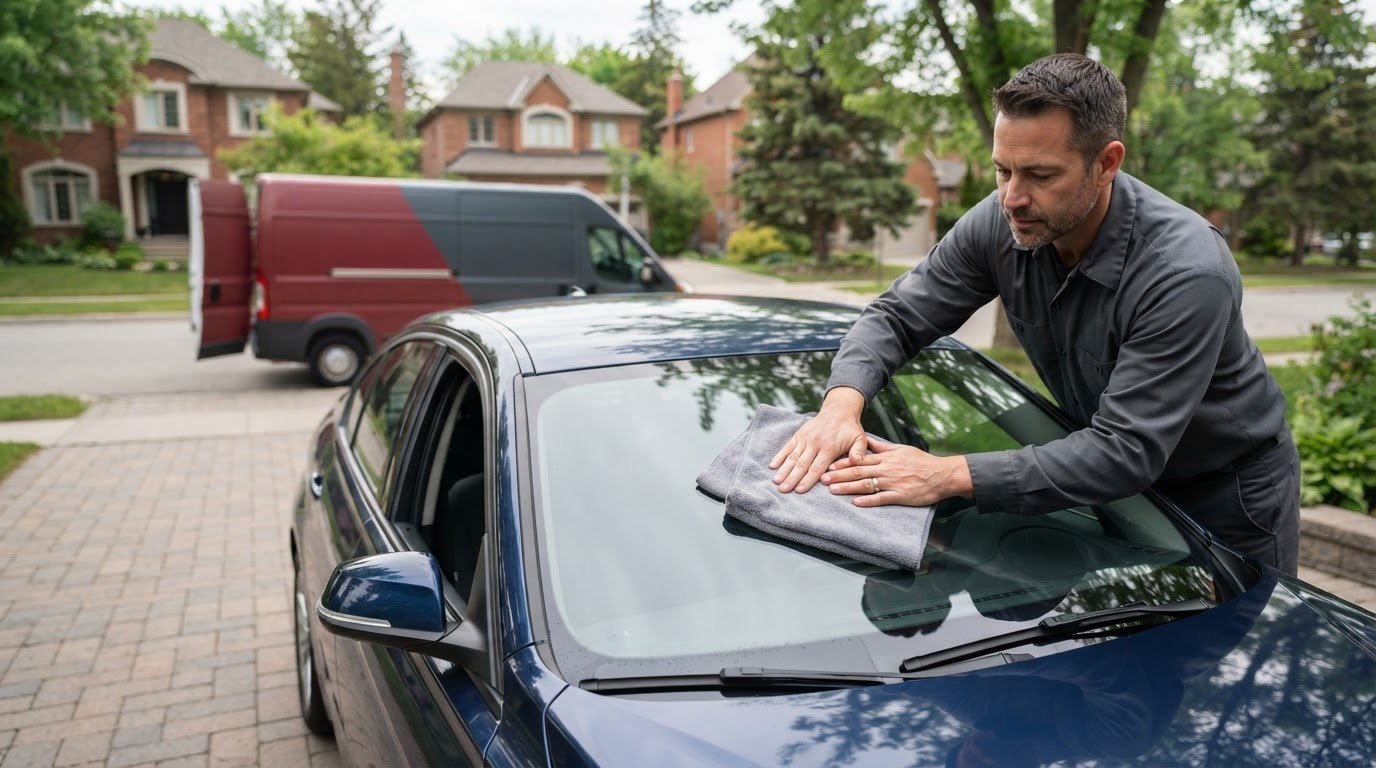
Could a quick wipe put a new windshield’s bond at risk? It could if you clean too soon or press against the glass before the adhesive is ready. If you’re wondering how to clean a newly replaced windshield, take care: the glass contributes to your vehicle’s structural support, and the fresh bond needs time to develop.
You may be ready to remove fingerprints or dust, but safe timing depends on the adhesive and installation conditions. The safe drive-away time is not necessarily the same as the time needed for the windshield adhesive to cure. Follow your installer’s vehicle-specific instructions before cleaning, and ask if you’re unsure when it’s safe to proceed.
This guide explains when to clean, how to gently handle the inside and outside of the glass, and what to avoid while the bond cures, including pressure and high-pressure washing. You’ll also learn which signs, such as water leaks or unusual wind noise, are reasons to contact your installer. Careful aftercare helps protect the installation and gives you greater peace of mind on the road.
Key Takeaways
- Follow your installer’s vehicle-specific guidance on when it’s safe to clean the glass. Windshield adhesive curing time can vary.
- Once your installer confirms cleaning is appropriate, use a clean, soft cloth and gentle motions to clean a newly replaced windshield.
- Wait for approval before using an automatic wash or high-pressure water, and avoid pressing or scraping near the glass edge.
- Contact your installer if you notice water entering the vehicle, unusual wind noise or an uneven fit. Don’t probe the factory seal or attempt an adhesive repair yourself.
How to Clean a Newly Replaced Windshield: Start With the Installer’s Instructions
Before wiping or washing the new glass, follow your installer’s safe-to-clean instructions for your vehicle. There isn’t one waiting period for every replacement: windshield adhesive curing depends on the adhesive, installation and surrounding conditions. Ask the technician when you can clean the glass, wash the vehicle and remove any temporary materials.
Windshield adhesive curing is the hardening process that develops the adhesive’s bond strength and helps keep the windshield securely attached to the vehicle. That bond matters because a properly installed windshield contributes to the vehicle’s structural support. The glass itself is laminated safety glass, but its connection to the vehicle also affects its role as part of the vehicle. Avoid putting unnecessary pressure on the new installation while the adhesive cures.
Keep the technician’s instructions handy, especially if you’re unsure whether “safe to drive” also means “safe to clean.” These are different questions. Safe drive-away guidance tells you when the vehicle can be driven. Ask the installer separately about cleaning and washing. If you didn’t receive instructions or can’t remember the details, contact the installer rather than guessing. That’s the safest first step when deciding how to clean a newly replaced windshield.
How long should you wait before cleaning a new windshield?
Use the technician’s safe-to-clean guidance, and confirm the safe drive-away time as well. Adhesive products and installation conditions vary, so a timeframe that applied to another vehicle may not apply to yours. If the instructions don’t say when you can wipe the glass or wash the vehicle, call the installer before starting.
What should you leave alone after windshield replacement?
Follow the technician’s directions for temporary retention tape, and don’t remove installation materials unless they say it’s appropriate. Avoid leaning on the windshield, pressing along its edges or testing whether it moves. These actions add pressure where the new bond is still developing. Don’t probe the factory seal or try to adjust the glass yourself. Ask the installer if something looks out of place.
When you call, ask three direct questions: when the glass is safe to clean, whether washing needs to wait, and when any tape or other temporary material can come off. Clear answers help you protect the installation without relying on general advice that may not suit your vehicle or the conditions during the replacement.
Why Windshield Adhesive Curing Matters Before You Clean
Adhesive applied between the glass and the vehicle frame holds a new windshield in place. As it sets and hardens, it develops the bond that secures the glass. This process, called windshield adhesive curing, is part of completing the installation, not just a waiting period before you can clean the glass.
The windshield also contributes to your vehicle’s structural support. Aftercare is about more than whether water touches the glass: avoid actions that push, pull or jolt the newly installed windshield before the installer says the bond is ready for cleaning and washing. The Auto Glass Replacement Safety Standard (AGRSS) describes professional practices for auto glass replacement, while your technician can explain the instructions that apply to your installation.
How the new windshield bonds to the vehicle
The adhesive forms a bonded connection between the windshield and the frame around its opening. As it cures, that connection hardens. The care required can depend on the adhesive and installation conditions, so general advice can’t replace the technician’s directions. Follow the guidance you were given, and ask the installer if anything is unclear.
Why pressure and early washing deserve care
A gentle wipe across the centre of the glass, once cleaning is approved, is different from pressing firmly near the edge, leaning on the windshield or directing a strong stream of water at the seal. Those actions apply force to the glass or its bonded edge. Until your installer approves washing, postpone automatic car washes and high-pressure water rather than assume they’re safe.
Ottawa-area weather can vary, and conditions during an installation may differ from one appointment to another. Don’t use the day’s temperature or a friend’s experience to decide when to wash. Ask your technician for guidance based on your vehicle and installation. This is especially helpful if you’re planning an automatic wash or need to remove dirt before your next drive.
Let the installer’s curing guidance determine when to resume routine washing. Cleaning should not put unnecessary force on a fresh windshield bond. If you have questions about a replacement or the care instructions you received, you can contact Auto Glass Ottawa about windshield replacement for guidance.
How to Clean a Newly Replaced Windshield Safely
Once your installer confirms that cleaning is appropriate, keep the process simple. A gentle hand wipe is different from a car wash or firm pressure on the glass, but you should still follow the aftercare instructions you received. If you’re deciding how to clean a newly replaced windshield, use this careful sequence:
- Confirm it’s ready. Check your installer’s safe-to-clean guidance before starting.
- Choose a clean, soft microfibre cloth. Grit or debris caught in the cloth could scratch the glass.
- Wipe lightly. Use controlled motions and let the cloth do the work. Don’t press on the windshield or its edges.
- Check cleaner compatibility. Ask your installer or consult your vehicle manual before applying glass cleaner. Don’t assume a product is suitable for every vehicle or installation.
A gentle method for cleaning the outside glass
After your installer approves exterior cleaning, wipe the surface lightly with a clean, soft microfibre cloth. If you plan to use a product, first confirm it’s suitable for your vehicle and the new installation. Avoid scraping, abrasive pads and forceful wiping. Take extra care near the edges, where the glass meets the vehicle, and don’t direct strong pressure at that area.
Cleaning the inside without disturbing sensors or trim
For the interior, use a clean cloth and controlled movements rather than pushing against the glass. Some vehicles have an ADAS camera, a camera used by driver-assistance systems, mounted near the windshield. Don’t adjust, cover or obstruct it while cleaning. Keep cleaning products away from camera lenses and sensor areas unless your vehicle guidance specifically permits their use.
Interior trim around the windshield can also be disturbed if you wipe aggressively or reach into narrow gaps. If you’re unsure where the camera or sensors are, or how to clean around the trim, pause and ask your installer. Don’t move a camera or attempt to reposition anything attached near it. Contact a qualified technician if something appears out of place.
You don’t need to clean every area at once. Work only on surfaces you can reach without leaning on the glass or putting pressure on the edges. If you notice a mark near a sensor that won’t come away with a light wipe, check the vehicle manual or contact the installer before trying a stronger product or method. Gentle cleaning helps protect the new installation while keeping the glass clear.

What to Avoid After Windshield Replacement in Ottawa and Across Canada
Knowing how to clean a newly replaced windshield also means knowing what to postpone. Until your installer approves washing, avoid methods that direct strong water pressure at the glass or put force on its edges. Let the installation instructions for your vehicle guide your choices, not a general rule or someone else’s experience.
- Skip automatic car washes until your installer confirms they’re suitable.
- Don’t use a pressure washer or aim a forceful hose stream at the windshield edges.
- Avoid firm wiping, scraping, abrasive tools, and pressing or leaning on the glass.
- Don’t remove temporary installation materials unless your technician says to.
These precautions help you avoid putting unnecessary pressure on the new glass or its bonded edge while the adhesive cures. If debris needs attention, don’t scrape it or scrub hard. Ask the installer which cleaning method is appropriate for your situation.
Can you use a car wash after windshield replacement?
How Ottawa weather can affect aftercare instructions
Outdoor conditions can affect windshield adhesive curing, and conditions may change between the installation and your first planned wash. In Ottawa, don’t guess based on the season, the temperature outside or advice that applied to another vehicle. Ask your technician for guidance based on the conditions during your installation, and follow their instructions if the weather changes.
Fleet managers should give drivers consistent, installer-approved aftercare directions rather than leave each person to decide when washing is safe. For broader planning, see this commercial fleet auto glass guide. If you have questions about an insurance claim connected to the replacement, this Ottawa windshield replacement claim guide may help.
If you’re unsure what’s safe for your installation, contact your installer before washing or cleaning near the seal. Ottawa and Gatineau drivers can contact Auto Glass Ottawa about windshield replacement with questions about glass service and installation follow-up.
When to Contact Your Windshield Installer About Cleaning or a Leak
Contact your installer if you notice water entering the vehicle, unusual wind noise or a windshield that appears unevenly fitted. These signs don’t confirm the cause, but they warrant professional follow-up. Don’t press on the glass to test it, probe the factory seal or try to repair the adhesive yourself.
Signs that need an installer’s attention
Make a brief note of what you noticed and when. For example, record whether water appeared after rain or a wash, where you saw it inside the vehicle, and when the unusual noise occurs. If the glass looks uneven, describe what you can see without touching or moving it. Share these details with the installer so they can advise you on the next step.
Contact the installer promptly if you see any of the following:
- Water entering the cabin near the windshield.
- New or unusual wind noise that seems to come from around the glass.
- A visibly uneven fit or a gap along the edge.
- A camera warning or driver-assistance alert that appears after replacement.
If a camera alert appears, ask whether the vehicle needs an ADAS health check, an inspection to verify that driver-assistance sensors remain correctly aligned and functional. Don’t try to adjust or reposition a camera yourself. Until you receive guidance, follow any vehicle warnings and the instructions in your owner’s manual.
What to ask your installer
Ask for clear, vehicle-specific guidance on when to clean or wash the windshield and any remaining windshield adhesive curing instructions. If there’s a leak, noise or fit concern, describe what you observed and ask whether the installer should inspect it. Avoid experimenting with water, tools or cleaning products to locate the cause.
Also ask the installer to explain the workmanship and leakage warranty, including what it covers and how to request follow-up. Auto Glass Ottawa offers a lifetime warranty on workmanship and leakage. Confirm the exact terms with the company, as coverage details matter.
For Ottawa and Gatineau drivers, mobile windshield service brings professional technicians to your home or office. If you need guidance about a windshield replacement concern, contact Auto Glass Ottawa about windshield service.
Protect Your New Windshield With Careful Aftercare
The safest approach to how to clean a newly replaced windshield is straightforward: follow your installer’s vehicle-specific instructions, use a soft cloth with gentle motions once cleaning is approved, and wait for the go-ahead before washing the vehicle. Avoid pressing or scraping near the glass edges, and contact your installer if you notice water entering the cabin, unusual wind noise, an uneven fit or a camera alert.
For questions about a recent installation or future windshield replacement, Auto Glass Ottawa brings over 15 years of experience serving Ottawa and Gatineau. The company offers free mobile windshield service in the area and a lifetime warranty on workmanship and leakage. Ask for the warranty terms that apply to your vehicle.
Contact Auto Glass Ottawa for windshield replacement guidance if you need help with next steps. Clear instructions and professional follow-up can help you care for your new glass with confidence.
Frequently Asked Questions
How long should you wait before cleaning a newly replaced windshield?
Wait until your installer confirms that cleaning is appropriate for your vehicle. There’s no single waiting period for every installation because the adhesive and conditions can vary. Safe drive-away guidance doesn’t automatically mean the glass is ready to clean or wash. If you’re unsure how to clean a newly replaced windshield, contact the technician and ask when you can wipe it, wash the vehicle and remove any temporary materials.
Can you use a car wash after getting a new windshield?
Wait for your installer’s approval before using a car wash. Automatic washes, pressure washing and hand washing involve different types of contact and water pressure, so don’t assume the same advice applies to each method. Ask your technician specifically which washing options are appropriate and when. Until you receive clear guidance, postpone the wash rather than risk putting unnecessary pressure on the fresh installation.
Can you use glass cleaner on a newly replaced windshield?
Use glass cleaner only after your installer confirms that cleaning is safe and the product is compatible with your vehicle. Check your owner’s manual as well, especially if the windshield has a camera or sensors nearby. If approved, apply the cleaner as directed and wipe gently with a clean, soft cloth. Avoid spraying or wiping around the camera area unless your vehicle guidance permits it.
What should you avoid after windshield replacement?
Until your installer says otherwise, avoid automatic car washes, pressure washers, forceful wiping, scraping, and pressing or leaning on the glass, particularly near its edges. Don’t remove temporary retention tape or other installation materials without approval. These actions can put unnecessary force on the glass or its bonded edge while the adhesive cures. If you’re unsure whether an activity is safe, check with your installer first.
Can rain affect a newly replaced windshield?
Rain and other outdoor conditions can be relevant to installation aftercare, but don’t assume rain will damage the windshield or that every installation responds the same way. Follow the technician’s instructions for the conditions at the time of your replacement. Ask whether you should take any precautions if rain is expected, and avoid pressure washing or testing the seal. Contact the installer if you notice water entering the vehicle.
What happens if you notice a leak after windshield replacement?
Contact your installer promptly if water enters the vehicle near the windshield. Note where you see it and when it happens, such as during rain, but don’t probe the factory seal, pour water over the glass to test it or attempt an adhesive repair. Ask the installer to assess the concern and explain the applicable warranty terms. Auto Glass Ottawa offers a lifetime workmanship and leakage warranty. Confirm the exact coverage with the company.
Do you need an ADAS health check after windshield replacement?
If your vehicle has a windshield-mounted camera or driver-assistance sensors, ask your installer whether recalibration or an ADAS health check is needed after replacement. An ADAS health check verifies that these systems remain correctly aligned and functional. If a camera warning or driver-assistance alert appears after the work, contact the installer rather than adjusting or obstructing the camera yourself. Follow your vehicle’s warnings and owner’s manual guidance.