
Sunroof Water Leaks: Common Causes and Solutions
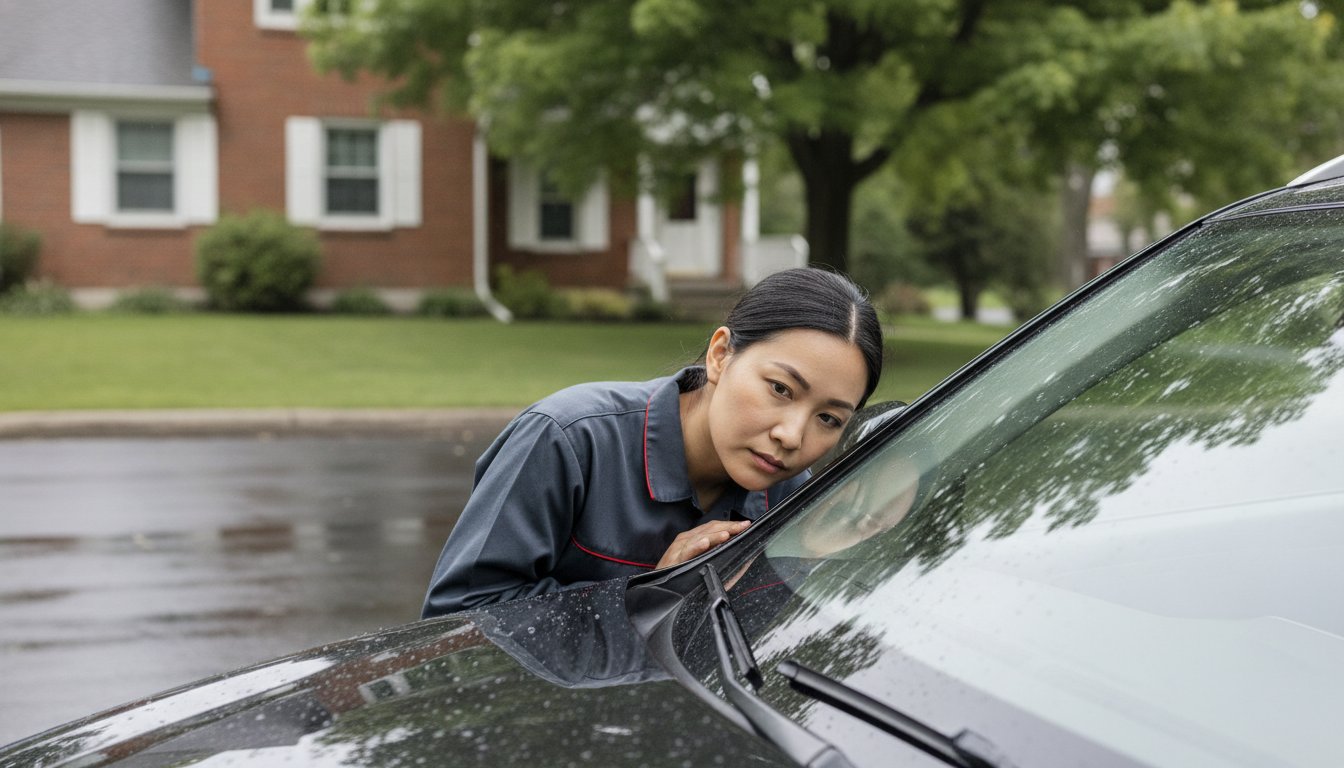
Most drivers assume a leaking sunroof means the glass seal has failed, but the reality is often much more hidden. When you notice a damp headliner or a puddle on your floor mat, you quickly realize that identifying the specific Sunroof Water Leaks: Causes is the first step toward saving your vehicle’s interior. Whether it’s a simple blockage or a mechanical failure, ignoring those drips can quickly lead to expensive electrical damage and stubborn mold growth.
It’s incredibly frustrating to deal with a wet seat after a heavy downpour, especially when you’re worried about stained upholstery or sensitive electronics. You deserve a dry, comfortable cabin and the peace of mind that comes with a reliable repair. In this guide, you’ll discover the primary reasons your sunroof is leaking and learn how to identify, fix, and prevent water damage before it ruins your vehicle. We’ll examine common culprits like clogged drainage tubes and worn weatherstripping, helping you decide if you can handle the job yourself or if it’s time to call in a professional to help you prepare for the next Ottawa winter.
Key Takeaways
- Realize that your sunroof is a complex water-management system rather than a simple airtight seal, which helps you better diagnose where moisture enters.
- Learn how debris like pine needles and dust contribute to Sunroof Water Leaks: Causes by clogging essential drainage tubes and causing tray overflows.
- Understand the impact of Ottawa’s extreme freeze-thaw cycles on your vehicle’s rubber seals and how to maintain their elasticity throughout the winter.
- Identify mechanical misalignments that prevent your sunroof from closing flush, potentially saving your interior from significant water damage and sagging headliners.
- Recognize the early warning signs of hidden moisture to protect your vehicle’s sensors and electrical components from costly shorts and permanent odours.
Understanding the Anatomy of a Sunroof Leak
To understand why your car is getting wet, you first need to realize that a sunroof is not a submarine hatch. It isn’t designed to be perfectly airtight. Instead, automotive engineers treat it as a water-management system. Most of the moisture is blocked by the outer seal, but a small percentage is expected to slip through during heavy rain or a car wash. Identifying Sunroof Water Leaks: Causes often starts with understanding how this system handles that moisture.
Beneath the glass panel sits a metal or plastic trough known as the sunroof tray. This tray is the primary catchment area for any droplets that bypass the exterior weatherstripping. Under normal conditions, this water flows harmlessly into the drainage system. However, when you’re investigating Sunroof Water Leaks: Causes, the problem usually lies in the transition between that tray and the exit tubes. When the volume of water entering the tray exceeds the speed at which it can drain, you hit a “tipping point.” At this stage, the water overflows the tray’s edges and begins its journey into your headliner or down your A-pillars.
The Role of the Primary Seal
The outer weatherstripping is your first line of defence. Most manufacturers use EPDM rubber because it handles UV exposure and temperature swings well. Some aftermarket kits might use silicone-based seals, which offer different flexibility profiles. After years of exposure to the intense Ottawa sun and freezing winters, this material can lose its elasticity. You might notice the seal looks dry, cracked, or has physically shrunk away from the corners. While a slightly worn seal shouldn’t cause a flood on its own, it significantly increases the volume of water the internal tray must manage, making a leak much more likely if the drains aren’t perfect.
The Internal Drainage System
Every sunroof tray features a specific architecture designed to move water away from the cabin. This typically involves four drain holes, one at each corner of the assembly. These holes connect to flexible tubes that run through the vehicle’s pillars, eventually dumping the water near the wheel wells or under the chassis. Understanding the Anatomy of a Sunroof helps you see why this is the most common failure point. If just one of these tubes becomes obstructed by debris, the tray will fill up like a bathtub. Because the tray is shallow, it doesn’t take much for it to overflow, leading to those familiar damp spots on your ceiling or puddles in the footwell.
Clogged Drainage Tubes: The #1 Cause of Leaks
While a damaged seal might seem like the obvious culprit, the vast majority of Sunroof Water Leaks: Causes stem from simple blockages in the drainage system. Your sunroof tray is constantly exposed to the elements. Over time, organic debris like pine needles, autumn leaves, and fine dust settle into the tracks. When it rains, this material washes into the drain holes, creating a thick sludge that eventually acts like a cork. Once the exit is blocked, you experience the “overflow effect.” In a heavy Ottawa downpour, the tray fills faster than it can drain, forcing water over the interior lip and directly into your cabin.
You’ll often spot this issue before a full flood occurs. Common visual signs include water dripping from the A-pillar trim or mysterious damp spots appearing on the headliner near the sun visors. This isn’t just a cosmetic nuisance; it’s a sign that your water-management system has failed. According to technical documentation regarding Clogged or kinked panoramic sunroof drain(s), even minor obstructions can lead to significant interior damage if left unaddressed. If you’re noticing moisture after a storm, the drainage path is the first place you should look.
How to Locate Your Sunroof Drains
Finding the source of the trouble starts with a visual inspection. Fully open your sunroof and stand on the door sill to get a clear view of the upper tracks. Use a bright flashlight to inspect the front corners of the tray. You should see a small hole, roughly the size of a drinking straw, in each corner. If you see standing water or a visible layer of muck covering these holes, you’ve found your problem. While the front drains are easy to spot, the rear drains are often hidden deeper in the assembly and typically exit behind the rear wheel wells, making them harder to inspect without professional help.
Professional vs. DIY Cleaning Methods
You can perform a simple “gravity-feed” test by carefully pouring a small cup of water into the sunroof tray. If the water pools instead of draining instantly, the clog is deep. Many DIY guides suggest using high-pressure compressed air or mechanical “snaking” with wire to clear the path. Be extremely careful with these methods. Excessive air pressure or a stiff wire can easily disconnect the drain tube from its internal junction inside the pillar. If the tube pops off, water will pour directly into your dashboard every time it rains. Professionals use regulated pressure and specialized flexible probes to clear obstructions without risking a costly internal disconnection. If you’re worried about damaging your vehicle’s interior, the team at Auto Glass Ottawa can safely clear your drainage system and verify the seals are intact.
Deteriorated Seals and the Ottawa Freeze-Thaw Cycle
Ottawa’s climate is notoriously brutal on automotive rubber. When temperatures swing from -30°C in January to +30°C in July, your sunroof seals are under constant physical stress. This extreme thermal expansion and contraction is one of the most overlooked Sunroof Water Leaks: Causes in our region. In the winter, moisture often seeps into the microscopic gaps between the glass and the rubber. When that water freezes, it expands, physically pushing the seal away from the glass and weakening the bond. If you try to open your sunroof when it’s iced over, you risk tearing the brittle rubber away from its mounting track.
Road salt and harsh winter car washes further accelerate this breakdown. The chemicals used to keep our roads clear are corrosive to EPDM rubber, often causing it to dry out and lose its natural oils. Over time, you might encounter the “flattened seal” phenomenon. This happens when the rubber stays compressed for so long in extreme cold that it loses its “memory.” It no longer rebounds to fill the gap when the glass is closed, leaving a permanent path for water to enter. Understanding these Common Causes of Sunroof Leaks helps you catch issues before the first spring thaw turns into a cabin flood.
Identifying Seal Fatigue
If you suspect your rubber is failing, try the “paper test.” Open the sunroof, place a slip of paper across the seal, and close the glass. If you can pull the paper out with no resistance, the seal isn’t making proper contact. You should also look for visible warning signs like “alligatoring,” which is a pattern of fine cracks that resemble reptile skin. Brittleness or discolouration are also clear indicators that the material has reached the end of its service life. Even if a seal looks intact to the naked eye, it may have shrunk just enough to allow high-pressure water from a car wash to bypass it entirely.
Maintaining Your Seals for Longevity
Regular maintenance can significantly extend the life of your weatherstripping. Use mild, pH-neutral cleaners to remove salt and grime without stripping the rubber’s protective coatings. Avoid petroleum-based products; these can actually cause the rubber to swell and rot. Instead, apply a specialized silicone-based lubricant twice a year. We recommend doing this once in the autumn and once in the spring. This keeps the rubber supple and prevents the glass from sticking to the seal on frosty mornings. In a four-season climate like ours, a quick five-minute inspection every few months is the best way to prevent Sunroof Water Leaks: Causes from developing into expensive interior repairs.

Mechanical Misalignment and Structural Issues
If you’ve cleared your drains and your seals look pristine, the problem might be physical positioning. A sunroof that doesn’t close perfectly flush with the roofline creates a massive vulnerability. Even a few millimetres of misalignment can overwhelm the internal water-management system during a storm. This is a common but frequently ignored entry point when investigating Sunroof Water Leaks: Causes. Over time, the constant vibration from driving can loosen the mounting bolts that hold the glass to the track assembly, causing the panel to shift slightly out of its factory-set position. If the glass sits too low, water pools on top of the seal; if it sits too high, it creates a scoop that catches rain at highway speeds.
Checking for Proper Glass Alignment
You can often spot alignment issues with a simple visual check. Close the sunroof and look across the roofline from the side of the vehicle. The glass should be level with the metal. If one corner sits higher or lower than the others, you have a mechanical problem. Listen for increased wind noise at highway speeds, which is often the first warning sign of a gap before the water actually starts to enter. Your sunroof motor also relies on a specific “park” position to complete its cycle. If the motor’s internal timing is off, the glass might look closed but hasn’t fully compressed the seal. Modern vehicles also use “pinch sensors” to prevent the motor from closing on an obstruction. If your tracks are dry or gritty, the sensor might trigger prematurely, leaving the glass slightly open without you realizing it.
When the Frame is the Problem
In some cases, the leak isn’t caused by the glass or the seal, but by the structural frame itself. Older vehicles are particularly susceptible to corrosion within the sunroof assembly. If rust develops in the water-management tray, it can create pinholes that allow water to bypass the drain tubes entirely. Similarly, the plastic components of the tray can crack due to age or improper handling during a previous glass replacement. If the glass wasn’t seated correctly during a past repair, it puts uneven stress on the frame, leading to structural failures that no amount of cleaning will fix. Identifying these Sunroof Water Leaks: Causes requires a deep understanding of how the glass interacts with the vehicle’s body.
These structural and mechanical issues require a level of precision that goes beyond simple DIY maintenance. If your glass isn’t sitting level or you suspect a cracked frame, you need an expert who understands the relationship between glass alignment and water integrity. The certified technicians at Auto Glass Ottawa specialize in precise glass positioning and seal inspections to ensure your vehicle remains watertight.
Protecting Your Interior: When to Call a Professional
Delay is your vehicle’s worst enemy when it involves moisture. While it’s tempting to wait and see if the next storm brings more rain into your cabin, the most severe Sunroof Water Leaks: Causes often hide behind the trim long before you see a drop of water. Modern vehicles house sensitive electronics, including map lights, Bluetooth microphones, and sunroof control modules, directly in the path of potential overflows. Once moisture reaches these components, you aren’t just looking at a wet seat; you’re facing potential electrical shorts and expensive sensor failures. A damp headliner is equally problematic. Once the adhesive backing gets wet, it often separates, leading to permanent sagging and a musty odour that’s nearly impossible to remove without replacing the entire fabric assembly.
Auto Glass Ottawa provides an essential safety net with our lifetime warranty on workmanship and leakage. We’ve spent 15+ years helping local drivers navigate these frustrating issues. If you’re dealing with a sudden intrusion, our mobile service brings our expertise directly to your home or workplace. This convenience ensures you don’t have to drive a damp car across the city or risk further damage during a rainy commute. We prioritize safety and peace of mind, treating every leak as a threat to your vehicle’s structural and electronic integrity.
Professional Diagnostic Process
Finding a leak shouldn’t involve a garden hose and guesswork. Our technicians use advanced diagnostic tools like ultrasonic leak detectors or controlled pressure tests to pinpoint the exact failure point without soaking your interior. This precision is vital for ensuring your insurance windshield replacement Ottawa coverage is used effectively, as we can document the specific damage for your claim. A certified eye can distinguish between a simple clog and a structural seal failure that requires more intensive intervention, ensuring the repair is done right the first time.
Preventative Maintenance Checklist
The best way to address Sunroof Water Leaks: Causes is to prevent them entirely. We recommend a seasonal cleaning schedule for all Ottawa drivers. Clear the tracks in the spring after the pollen drops and again in the late autumn before the first freeze. This simple routine is part of a healthy vehicle check that protects your resale value. For those managing multiple vehicles, our team supports commercial fleet auto glass Ottawa managers by providing structured leak prevention and seal inspections during regular glass maintenance. Staying ahead of the weather ensures your fleet stays on the road and remains a professional reflection of your business.
Secure Your Vehicle Against the Next Ottawa Storm
Addressing Sunroof Water Leaks: Causes starts with a proactive approach to your vehicle’s water-management system. Whether you’re dealing with a simple blockage in your drainage tubes or seal fatigue caused by Ottawa’s brutal freeze-thaw cycles, identifying the issue early is the only way to prevent permanent interior damage. Your sunroof is designed to channel water away, not just block it. When that channel fails, your electronics and headliner are immediately at risk.
You don’t have to tackle these complex seals and hidden drainage paths on your own. With over 15 years of local expertise, our team specializes in precise diagnostics and long-term solutions that stand up to Canadian winters. We provide a lifetime warranty on workmanship and leakage, giving you the ultimate peace of mind. If you’ve noticed dampness or unusual wind noise, don’t wait for the next downpour to cause a flood. Get a Free Mobile Inspection for Your Leaky Sunroof Today! Our technicians will come to you anywhere in Ottawa or Gatineau to ensure your cabin stays dry and comfortable. You can enjoy the drive again knowing your vehicle is fully protected.
Frequently Asked Questions
Is it normal for some water to get past my sunroof seal?
Yes, it’s actually part of the design. Most sunroofs aren’t meant to be perfectly airtight; they’re water-management systems. A small amount of moisture is expected to bypass the outer seal during heavy rain or a car wash. This water is caught by an internal tray and directed out through drainage tubes. A leak only occurs when that water overflows the tray because of a blockage or mechanical failure.
How do I know if my sunroof drains are clogged?
You’ll likely notice dampness on your headliner or puddles in the footwells after a storm. To confirm a blockage, open the glass and look for standing water in the corners of the sunroof tray. You can also perform a gravity test by carefully pouring a small amount of water into the tray. If the water pools instead of draining instantly, you’ve identified one of the most common Sunroof Water Leaks: Causes.
Can a car wash cause my sunroof to leak?
High-pressure jets can force a large volume of water past even a healthy seal in a very short time. If your drainage tubes are partially obstructed by dust or debris, they won’t be able to keep up with the sudden deluge. This leads to an immediate overflow into the cabin. While a car wash shouldn’t cause a leak in a perfectly maintained system, it often reveals underlying drainage issues.
How much does it typically cost to fix a leaky sunroof in Ottawa?
Can I use silicone sealant to permanently close a leaky sunroof?
We strongly advise against using household silicone or adhesives to seal a sunroof shut. These products can damage your vehicle’s paint and permanently ruin the rubber weatherstripping. Furthermore, sealing the glass prevents the system from being serviced or used as intended, which significantly reduces your car’s resale value. It’s always better to address the actual Sunroof Water Leaks: Causes through professional repair rather than using a temporary and damaging fix.
What happens if I ignore a small sunroof leak?
Ignoring even a minor drip can lead to expensive secondary damage. Moisture trapped behind the headliner creates a breeding ground for mold and mildew, resulting in stubborn odours and potential health risks. Over time, water can also reach sensitive electrical components like map lights and overhead consoles, causing shorts that are far more costly to repair than a simple drainage clog or seal adjustment.
Will my comprehensive insurance cover sunroof leak repairs?
Insurance coverage depends entirely on the source of the damage. Most comprehensive policies cover sudden, accidental events like a falling branch or vandalism that breaks the glass. However, they typically don’t cover “wear and tear” or maintenance issues like clogged drains and deteriorated rubber. If you’re unsure, our team can provide insurance claim assistance to help you determine if your specific situation qualifies for a covered repair.
How can I dry out my car’s interior after a sunroof leak?
You must act quickly to prevent mold growth and permanent staining. Use a wet-dry vacuum to pull as much moisture as possible from the carpets and upholstery. Once the standing water is gone, place a dehumidifier or several high-powered fans inside the vehicle with the windows slightly cracked. This promotes air circulation and ensures that hidden moisture behind the dashboard or under the seats evaporates before it causes lasting damage.