
Windshield Warning Signs: A Comprehensive Checklist for Replacement in 2026
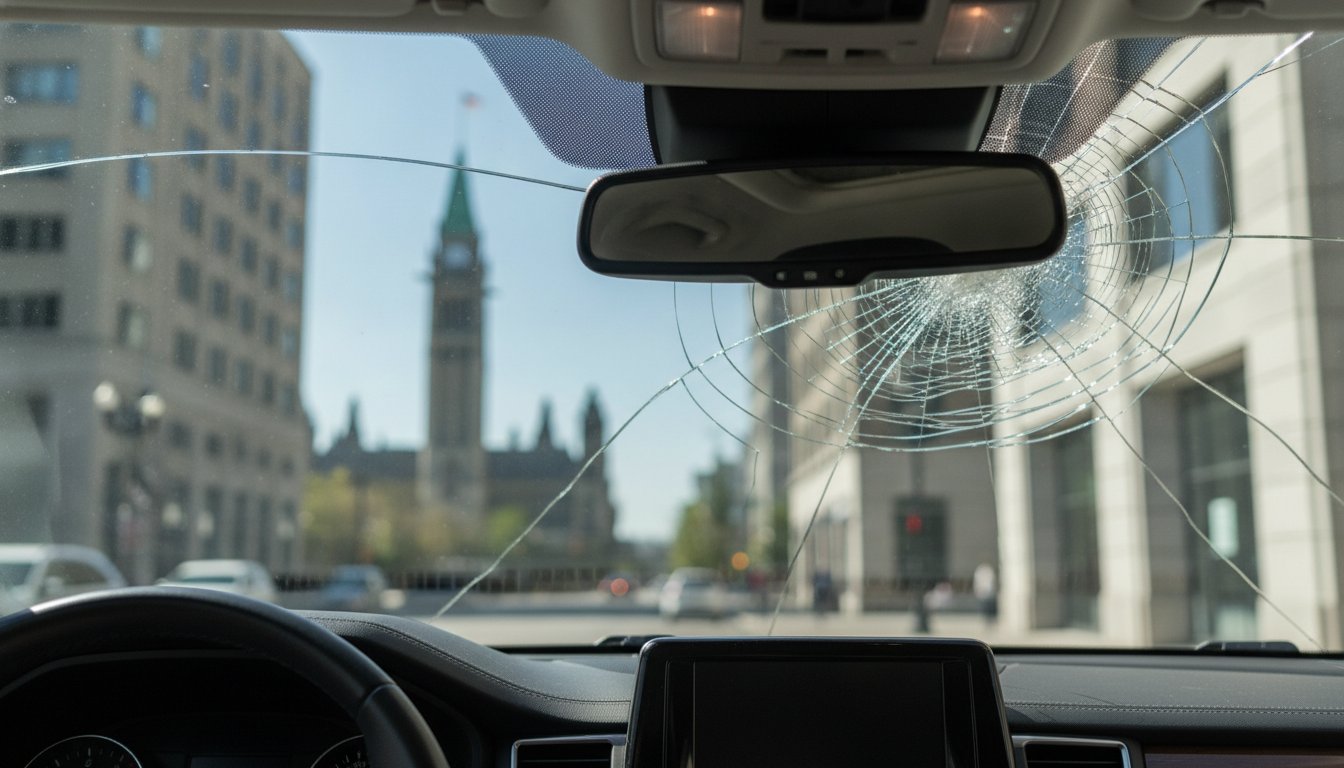
Did you know that your windshield provides up to 60% of your vehicle’s structural integrity during a rollover accident? It’s more than just a piece of glass; it’s a critical safety component that keeps you and your family secure on the road. We understand the sinking feeling you get when a pebble hits the glass, and you’re left wondering if that tiny chip will suddenly spiderweb across the centre of your field of vision while you’re driving. Identifying the specific windshield warning signs replacement needed is the first step toward regaining your peace of mind and ensuring your vehicle remains road-legal.
You shouldn’t have to guess whether a crack is a minor nuisance or a major safety hazard. This guide provides a clear diagnostic checklist to help you determine if a replacement is mandatory based on current safety standards and ADAS requirements. We will walk you through how to handle insurance claims without the headache and show you how mobile windshield repair services can save your work day. By the end of this article, you’ll know exactly how to protect your vehicle’s safety without losing your valuable time.
Key Takeaways
- Learn how to use the “Quarter Rule” and the “Dollar Bill Test” to determine if a chip or crack has compromised the structural integrity of your glass.
- Identify the critical windshield warning signs replacement needed to prevent minor damage from spreading rapidly during extreme Ottawa temperature swings.
- Understand why damage near your rearview mirror can blind your vehicle’s ADAS sensors and why professional camera recalibration is a safety requirement.
- Navigate the specific legal requirements for Ontario and Quebec to ensure your windshield remains road-legal and free from “obstructed view” fines.
- Discover how to restore your vehicle’s safety with a lifetime warranty and the convenience of mobile service that fits your busy schedule.
The Visual Assessment Checklist: Size, Depth, and Location
Before you decide to ignore that small mark on your glass, a quick visual inspection can tell you if your safety is at risk. Modern windshields are generally made of laminated safety glass, which consists of two glass layers bonded by a polyvinyl butyral (PVB) interlayer. When damage penetrates this middle layer, the structural integrity of the entire pane is lost. You can use the “Quarter Rule” as a quick benchmark: if a chip is larger than a Canadian loonie or a quarter, it has likely reached that critical PVB layer. For longer cracks, we recommend the “Dollar Bill Test.” If the damage exceeds 30 centimetres, which is roughly the length of a standard ruler or a Canadian bank note, the glass is generally beyond a safe repair.
Depth matters just as much as surface area. If you can feel the crack with your fingernail on both the inside and outside of the glass, the damage has fully penetrated the laminate. Similarly, keep an eye out for clustered damage. Knowing the specific windshield warning signs replacement needed helps you make an informed decision before a small chip becomes a massive problem. If you spot three or more chips in a single area, it signals a structural failure of the glass pane. These clusters create a weak point that can’t be reliably reinforced with resin, making the glass prone to shattering under pressure.
Critical Zones: When Location Dictates Replacement
Sometimes, the location of the damage is more important than the size. Any chip or crack located in the driver’s primary view, specifically the 30cm area directly above the steering wheel, requires an automatic replacement. Repairs in this zone can cause optical distortion that interferes with your reaction time. We also watch for the “Edge Effect.” If a crack is within 5cm of the windshield frame, it jeopardizes the structural bond of the urethane sealant. Finally, damage in the wiper path leads to rapid blade degradation, which eventually causes permanent scratching across the rest of your glass surface. Recognizing these windshield warning signs replacement needed early can save you from a dangerous situation on the highway.
Identifying Complex Crack Patterns
Different types of fractures carry different risks. A “Star Break” features several small “legs” radiating from a central point. These legs are highly sensitive to the -20°C Ottawa winters and can spread across the glass in seconds when you turn on your defroster. A “Bullseye” is a circular, cone-shaped fracture. While they look stable, they are often too deep for repair resin to reach the bottom of the pit effectively. If you see “Spider-Webbing,” which involves multiple cracks radiating from a single impact point, the glass is no longer safe. This pattern indicates a total failure of the safety glass layers and requires immediate professional attention.
Environmental and Structural Red Flags: The Ottawa Climate Factor
Ottawa’s climate is particularly unforgiving on automotive glass. If you’ve lived through a capital winter, you know the “Defrost Shock” well. When it’s -20°C outside and you blast the heater to clear your view, the rapid temperature change causes the glass to expand unevenly. Any moisture trapped inside a tiny chip will freeze and expand, often causing a small mark to spiderweb across the entire surface in seconds. This is one of the most common windshield warning signs replacement needed by local drivers during the colder months. Identifying these signs early is the best way to avoid a full structural failure while you’re on the road.
Beyond the temperature, Ottawa’s heavy use of road salt creates a hidden problem. Salt and winter chemicals settle into cracks, acting as a contaminant that prevents repair resin from bonding correctly. If you notice white haze or milky edges around the perimeter of your glass, you’re seeing delamination. This means the safety seal is compromised, and the glass layers are literally pulling apart. If you hear a high-pitched whistling at highway speeds or notice water pooling on your dashboard, your windshield has likely shifted. In these cases, a professional assessment is the only way to ensure your vehicle remains safe and road-legal.
Structural Integrity: The Windshield as a Safety Pillar
Your windshield is far more than a clear barrier; it’s a structural support beam. In a rollover accident, the glass provides up to 60% of the roof’s strength, preventing the cabin from collapsing. It also serves as the essential “backstop” for the passenger-side airbag. If the glass is weakened by deep cracks, the force of a deploying airbag could actually push the windshield out of the frame rather than protecting the passenger. Additionally, years of driving on the 417 often result in “pitting.” These microscopic pits, caused by sand and road debris, create a blinding glare at night that makes it difficult to see oncoming traffic clearly. Understanding why OEM windshield replacement matters for your safety in Ottawa is essential when choosing the right glass to restore this structural protection.
The “Ticking Clock” of Glass Repair
Time is never on your side when glass is damaged. In Ottawa’s humid or snowy weather, a chip can become unrepairable in as little as one week due to internal contamination. Every pothole you hit on your morning commute sends vibrations through the frame, accelerating the growth of “fringe” cracks that are often invisible until they suddenly snap. Under Ontario’s Highway Traffic Act, driving with a compromised windshield isn’t just a safety risk; it can also lead to significant fines if the damage obstructs your view. Thermal stress is the internal tension caused by rapid temperature changes that forces glass to expand or contract unevenly.
Advanced Technology Warnings: ADAS and Sensor Failure
Modern vehicles are essentially rolling computers, and your glass is a major part of that hardware. If your car was manufactured after 2016, it likely features an Advanced Driver-Assistance System (ADAS). This technology relies on a camera assembly mounted at the top-centre of your windshield, usually behind the rearview mirror. When a chip or crack appears in this specific “camera window,” it causes sensor blindness. The system can no longer accurately track lane markings or detect obstacles, making this one of the most critical windshield warning signs replacement needed for modern drivers. Even a professional resin repair can be problematic here; the slight optical distortion from the resin can create “ghost images,” confusing the vehicle’s computer and leading to unexpected braking or steering corrections.
You might also notice your vehicle communicating its distress through the dashboard. If you see a “Service ADAS” or “System Unavailable” warning light following a stone impact, the safety sensors have likely lost their clear line of sight. In these cases, the glass is no longer just a window; it’s a compromised tech component that prevents your safety features from functioning. ADAS recalibration is a mandatory safety step after any windshield replacement on vehicles made after 2016. Without this precision service, your car’s collision avoidance and lane-keep assist features are effectively offline, leaving you without the protection you’ve come to rely on.
Why Precision Calibration is Non-Negotiable
Professional Ottawa service centres use two distinct methods to restore your vehicle’s “vision.” Static calibration uses laser-guided targets in a controlled environment, while dynamic calibration involves driving the vehicle on specific roads to let the sensors “learn” their surroundings. Precision is everything. A misalignment of just one degree at the sensor level can result in a 20-metre error on the road ahead. This is why the clarity of the glass matters so much; we recommend OEM windshield replacement in Ottawa to ensure the thickness and light transmission meet the exact specifications required by your vehicle’s cameras.
Common Tech Signs of Replacement Need
Beyond the main cameras, other sensors can signal that a replacement is necessary. If your automatic wipers stop responding to moisture, a fracture may be interfering with the rain sensor’s infrared beams. Similarly, if you have a Heads-Up Display (HUD) and the projected image looks blurry or doubled, the internal “wedge” layer of your windshield has likely been compromised. These tech-driven windshield warning signs replacement needed are often subtle at first, but they indicate that the structural and functional integrity of your glass has reached its limit.

Safety and Legal Risks: Ontario and Quebec Regulations
Driving in the National Capital Region often means crossing the bridge between Ottawa and Gatineau, but your legal obligations change the moment you cross the provincial line. Under Section 74 of the Ontario Highway Traffic Act, it’s illegal to operate a vehicle if the windshield is in a condition that obstructs the driver’s view. If an officer determines your vision is impaired by a crack, you could face fines ranging from $110 to $500. Across the river, Article 265 of the Quebec Road Safety Code sets similar standards for Gatineau drivers. Fines there typically range from $90 to $175 plus fees if the damage is in your direct line of vision. Recognizing the windshield warning signs replacement needed isn’t just about car maintenance; it’s about staying on the right side of the law.
The risks go beyond just a ticket. A compromised windshield reduces your reaction time when you need to spot emergency vehicles. If a crack catches the glare of the sun or oncoming headlights, you might miss the flashing lights of a police cruiser or tow truck, putting you at risk of violating “Move Over” laws. Furthermore, driving with known structural damage can complicate your insurance liability. If you’re involved in an accident and it’s proven that a pre-existing crack contributed to a failure of the safety systems, your claim could be scrutinized or even denied. To avoid these legal and financial headaches, you should schedule a professional inspection as soon as you notice a crack spreading.
Passing the Ontario Safety Inspection
If you’re planning to sell your car or transfer ownership, you’ll need an Ontario Safety Standards Certificate. Technicians follow strict guidelines during this inspection. Any crack longer than 15cm, or any damage larger than a loonie within the driver’s critical viewing area, will result in an immediate failure. This “acute area” is defined as the 30cm zone directly above the steering wheel. Ignoring a “fix-it” order from local law enforcement can lead to your vehicle being removed from the road until the glass is replaced by a certified professional.
The Hidden Danger of “Self-Repair” Kits
It’s tempting to grab a DIY resin kit from a hardware store, but these products often fail to meet Canadian safety standards for structural bonding. These kits don’t have the vacuum pressure required to remove all air from the fracture, often “locking in” dirt, moisture, and road salt. Once that happens, a professional repair becomes impossible because the contaminated area won’t accept high-grade resin. Improperly applied DIY fixes can also create permanent hazy spots that obscure your vision even further during night-driving, making a full replacement inevitable anyway.
Hassle-Free Replacement with Auto Glass Ottawa
If you have spotted the windshield warning signs replacement needed on your vehicle, the next step should be simple. We recognize that a cracked windshield is an unexpected burden on your schedule and your budget. Auto Glass Ottawa is designed to take the technical and administrative weight off your shoulders. With over 15 years of experience serving the National Capital Region, our certified technicians provide a level of care that balances professional precision with the helpfulness of a trusted neighbour. We prioritize your safety and peace of mind by delivering a service that is as reliable as it is efficient.
Our Mobile Service: We Come to You
You don’t need to rearrange your life to fix your car. We provide 100% free mobile service across Ottawa and Gatineau, bringing the repair shop directly to your driveway or office parking lot. We often provide same-day service for most vehicle makes and models, ensuring that a safety hazard doesn’t linger on your car for longer than necessary. Our technicians are trained to maintain rigorous safety standards during on-site installations, regardless of the weather conditions. This convenience is a game-changer for commercial fleets, as it allows businesses to maintain their operations without the traditional downtime associated with glass shop visits.
The Auto Glass Ottawa Difference
We believe that safety should never be a compromise. That is why we only use high-quality materials that meet or exceed OEM standards for clarity and structural strength. Because modern vehicles rely so heavily on integrated technology, we include comprehensive ADAS recalibration as part of our replacement process. This ensures your lane-keep assist and collision avoidance systems are perfectly aligned before you ever turn the key. Once you realize the windshield warning signs replacement needed are present on your glass, you can trust us to restore your vehicle to its factory safety specifications.
Navigating insurance paperwork is often the most frustrating part of vehicle maintenance. We simplify this by providing direct insurance claim assistance. Our team handles the communication with your provider and helps manage the deductible process to make everything as seamless as possible. Before booking your appointment, you may want to review a detailed breakdown of windshield replacement cost in Ottawa so you know exactly what to expect on your final invoice. To ensure your long-term peace of mind, we back our work with a lifetime warranty. This guarantee covers you against leaks and workmanship defects for as long as you own the vehicle. You can drive away knowing that your safety is protected by seasoned experts who stand behind every piece of glass they install.
Schedule your free mobile windshield replacement in Ottawa today!
Restore Your Safety and Visibility Today
Your windshield is a vital safety pillar that protects your vehicle’s structural integrity and supports your advanced safety sensors. Small chips can quickly become unrepairable due to Ottawa’s extreme temperature swings, and damage in your direct line of sight remains a serious legal risk. Recognizing the windshield warning signs replacement needed is the first step, but taking action before a minor crack fails is what keeps you safe on the 417.
Auto Glass Ottawa makes the process effortless with our 100% Free Mobile Service in Ottawa and Gatineau. You don’t have to lose a work day or navigate complex insurance paperwork alone. Our certified ADAS recalibration experts ensure your vehicle’s technology is factory-perfect, and we stand behind every installation with a lifetime warranty on workmanship and leakage.
Don’t let a small crack compromise your safety or lead to a costly fine. Get a Free Quote and Book Your Mobile Appointment today. We’re here to help you get back on the road with total peace of mind.
Frequently Asked Questions
Is it illegal to drive with a cracked windshield in Ontario?
Yes, it is illegal under the Ontario Highway Traffic Act if the damage obstructs your view of the road. Police officers have the authority to issue “fix-it” orders or fines ranging from $110 to $500. If the crack is located within the driver’s primary field of vision, you must prioritize a replacement to remain road-legal and ensure your vehicle can pass a safety inspection.
How long does a windshield replacement take at my home in Ottawa?
A standard mobile replacement typically takes between 60 and 90 minutes to complete at your location. However, you must wait an additional hour for the specialized urethane adhesive to cure properly before the vehicle is safe to operate. Our technicians will provide a specific “safe drive-away time” based on the current humidity and temperature during your appointment.
Will my insurance rates go up if I claim a windshield replacement?
Generally, insurance premiums do not increase for a windshield claim because it falls under comprehensive coverage, which is typically considered a “no-fault” incident. Many Ontario insurance policies even waive the deductible for simple chip repairs. We recommend contacting your broker to confirm your specific glass coverage details, as we can assist with the paperwork to make the process seamless.
What is the difference between a repairable chip and a mandatory replacement?
A chip is generally repairable if it is smaller than a loonie and located away from the edges or the driver’s direct line of sight. If the damage is larger, deep enough to reach the middle PVB layer, or located near the ADAS camera sensors, these are clear windshield warning signs replacement needed. Replacing the glass ensures the structural integrity of your vehicle remains fully intact.
Do I really need ADAS recalibration if my sensors seem to be working fine?
Yes, recalibration is a mandatory safety requirement whenever the glass is replaced on a modern vehicle. Even if your sensors appear to function, a misalignment of just one millimetre can cause your lane-keep assist or emergency braking to fail by several metres on the road. Professional calibration ensures these life-saving systems are accurate to factory specifications and function correctly in an emergency.
Can cold Ottawa weather make a small windshield chip turn into a crack overnight?
Absolutely, Ottawa’s extreme cold is a primary catalyst for sudden glass failure. Moisture often gets trapped inside a small chip; as it freezes, it expands and puts immense pressure on the glass layers. When you turn on your defroster, the sudden thermal shock can cause that tiny chip to spiderweb across your entire field of vision in seconds.
What should I do if a rock hits my windshield while driving on the 417?
Stay calm and maintain your speed until you can safely assess the damage. If the impact didn’t shatter the glass, you should pull over when safe and apply a small piece of clear tape over the chip. This prevents road salt and dirt from contaminating the fracture, which significantly increases the chances of a successful repair rather than a full replacement. If you are concerned about the potential windshield replacement cost in Ottawa, understanding what factors affect your final price can help you plan ahead.
Does Auto Glass Ottawa provide services in Gatineau as well?
Yes, our mobile service fully covers Gatineau and the surrounding Quebec region. We understand the specific SAAQ standards for Quebec drivers and ensure all replacements meet provincial safety and transparency regulations. Whether you are at home in Hull or at an office in the Plateau, we bring our expert care and certified technicians directly to you.