
OEM vs Aftermarket Glass in Ottawa: 2026 Comparison
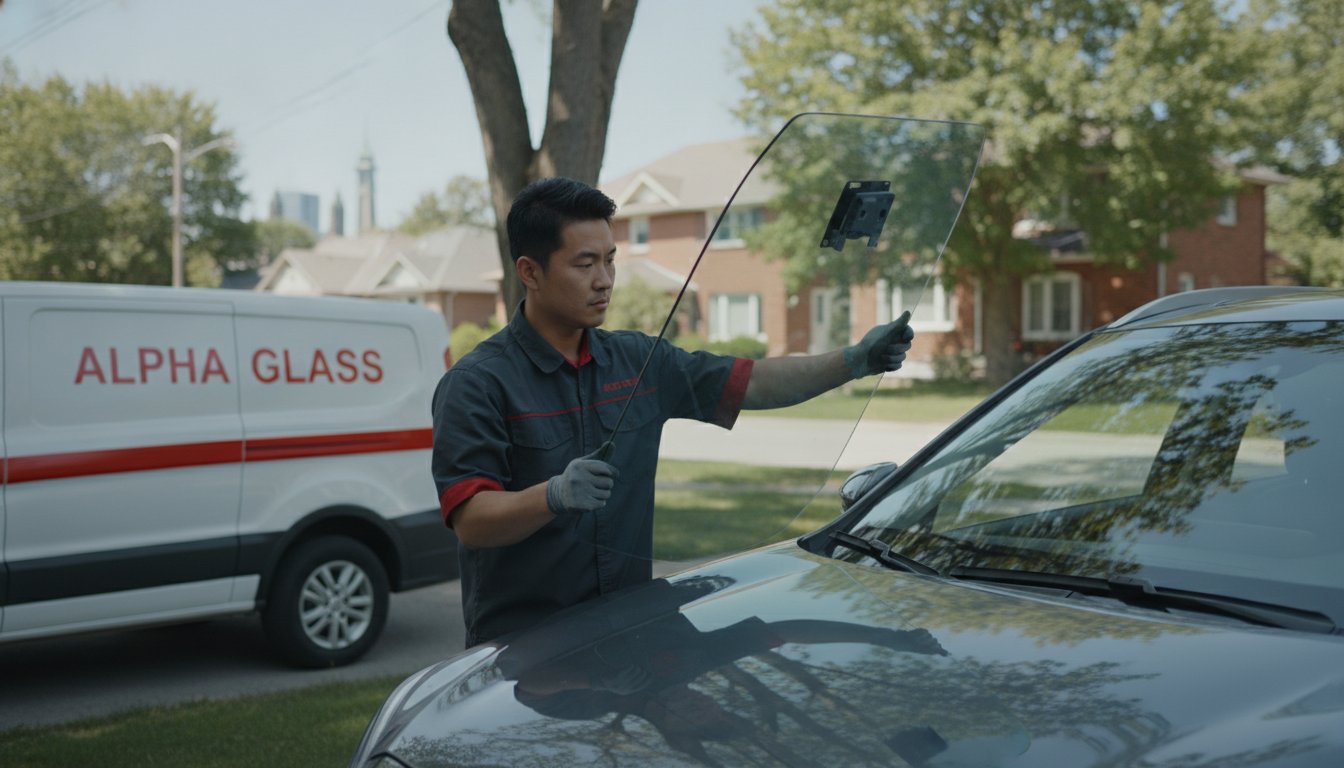
Did you know that as of mid-2026, insurance companies in Ontario approve requests for OEM glass less than 10% of the time? If you’re staring at a fresh crack in your windshield, you’re likely feeling the stress of choosing between the “official” manufacturer glass and a more affordable alternative. You want to make sure your safety sensors won’t fail and that your new seal can withstand the brutal temperature swings of an Ottawa winter.
It’s completely normal to feel confused about OEM vs aftermarket glass Ottawa options when your safety is on the line. You deserve to know exactly what you’re paying for before a mobile technician arrives at your driveway. We promise to clarify these critical differences so your vehicle remains structurally sound and your ADAS functions perfectly on our local roads.
In this comparison, we’ll look at the technical standards of both glass types and how they impact your vehicle’s structural integrity. You’ll gain a clear understanding of which choice fits your budget and safety requirements. This ensures you can book your replacement with total confidence and peace of mind.
Key Takeaways
- Learn the structural differences between factory-original glass and third-party alternatives to ensure your vehicle’s safety standards are maintained.
- Understand why ADAS recalibration is a non-negotiable step for modern vehicles to keep your safety sensors functioning accurately on the road.
- Discover the true cost of OEM vs aftermarket glass Ottawa by evaluating insurance coverage trends and the impact on your vehicle’s resale value.
- Find out how Ottawa’s extreme winter temperatures affect glass seals and why the quality of the installation process is just as vital as the glass itself.
- Use our expert checklist to determine if your lease agreement or vehicle technology requires specific glass types before you book a mobile technician.
Understanding OEM vs Aftermarket Glass for Ottawa Drivers
When a stone flies off a truck on the 417, the resulting crack is more than just an eyesore. It’s a safety issue that forces you to choose between two distinct paths. Understanding the nuances of OEM vs aftermarket glass Ottawa drivers face helps you decide which fits your specific vehicle and budget. Our technicians bring over 15 years of local experience to these decisions, ensuring you get the right fit for our unique climate.
The primary difference lies in who makes the part. Original Equipment Manufacturer (OEM) glass is produced by the same company that supplied the factory assembly line for your car. It’s an identical replacement. Aftermarket glass, also known as Auto Replacement Glass (ARG), is manufactured by companies that don’t hold contracts with vehicle brands. They are independent producers who create glass designed to fit your vehicle’s make and model.
Safety is non-negotiable. Every piece of glass sold in Canada must meet strict Department of Transportation (DOT) standards. This ensures the material won’t shatter dangerously during an accident. While both options are legal, the distinction matters most for vehicles equipped with advanced safety tech. If your car uses cameras for lane-keeping or emergency braking, the glass quality directly impacts ADAS recalibration. We focus on this precision to keep your car performing as the manufacturer intended on the busy Queensway.
The Manufacturing Standards of OEM Glass
OEM glass matches the original thickness and curvature of your windshield perfectly. It often carries the vehicle brand logo in the corner, which some drivers prefer for aesthetic reasons. This glass undergoes rigorous testing to ensure the fit and finish are identical to the factory original. When we provide mobile windshield replacement, using OEM glass ensures the most seamless installation possible. It’s the gold standard for fitment and acoustic performance.
The Reality of Aftermarket Glass Quality
Aftermarket glass is a safe and legal alternative for any vehicle. Manufacturers create these pieces by reverse-engineering the original design. You might notice slight variations in the tint colour or the exact thickness of the glass compared to the original. These differences are usually minor and cosmetic. For many Ottawa drivers, this is a cost-effective way to get back on the road without sacrificing safety. It’s a practical choice for older vehicles or those without complex sensor arrays.
The ADAS Connection: Why Glass Precision Matters in 2026
Modern safety technology has changed the way we look at windshields. Your car likely features an Advanced Driver Assistance System (ADAS), which includes lane-keep assist, automatic emergency braking, and adaptive cruise control. These systems rely on cameras and sensors mounted directly behind the glass. Because these “eyes” look through the windshield to interpret the road, even tiny imperfections in the glass can lead to dangerous errors. This is a primary factor in the OEM vs aftermarket glass Ottawa debate for local drivers.
While high-quality glass provides a clear view, advanced safety features can complicate repairs significantly. If the glass isn’t perfectly clear or has the wrong curvature, the sensors might miscalculate distances. This could result in your car braking for no reason or failing to detect a pedestrian. We ensure every installation meets the strict requirements of these sensitive systems to keep you safe on the road.
Optical Clarity and Sensor Performance
The curvature of the glass acts like a lens for your car’s cameras. If the glass is even slightly off-spec, it creates optical distortion. Optical distortion is any deviation in the light path through the glass that causes a camera to misinterpret the size, distance, or position of an object. To prevent this, OEM glass uses high-precision brackets. These brackets are the mounting points that hold your cameras in place. If a bracket is misaligned by even a millimetre, the safety system’s field of vision is compromised. This is why choosing a provider with certified ADAS recalibration specialists is vital for your peace of mind.
The Auto Glass Ottawa Recalibration Process
Replacing the glass is only half the job. Every time a windshield is removed, the cameras must be recalibrated to their new environment. Our certified technicians use specialized equipment to perform both static and dynamic recalibrations. Static recalibration happens in a controlled shop environment using specific targets. Dynamic recalibration involves driving the vehicle at set speeds to let the sensors “learn” the road. This multi-step process ensures your safety features work exactly as the manufacturer intended. We handle this technical burden so you don’t have to worry about sensor failure during your next commute.
Cost vs Value: Comparing Your Glass Options
Deciding between OEM vs aftermarket glass Ottawa services often feels like a balancing act between your immediate budget and the long-term value of your vehicle. While aftermarket glass is significantly more affordable, OEM glass preserves the original factory specifications of your car. If you’re driving a luxury model or a brand-new vehicle, investing in OEM glass can prevent a dip in resale value. Most dealerships and savvy buyers look for original parts when conducting an appraisal; seeing the manufacturer’s logo on the windshield provides immediate peace of mind.
We believe the quality of the installation is just as critical as the glass itself. By strictly following the Auto Glass Replacement Safety Standard™ (AGRSS), we ensure every replacement meets the highest industry benchmarks for safety. Our lifetime warranty on workmanship and leakage acts as the ultimate equalizer. Regardless of which glass type you choose, our 15 years of local experience ensures you’re protected against leaks or defects for the life of the vehicle.
Insurance Claims and Your Deductible
Many drivers in Ontario don’t realize their comprehensive insurance policy might default to aftermarket glass. As of 2026, insurers approve OEM requests less than 10% of the time unless you have a specific “OEM Rider” on your policy. You might only realize this limitation after the damage has already occurred. We provide comprehensive insurance claim assistance to help you navigate these administrative hurdles. For a deeper look at how to maximize your coverage, read our guide on insurance windshield replacement Ottawa to understand your rights and potential out-of-pocket costs.
OEM vs Aftermarket Features Table
Use this table to quickly compare your options and determine which fits your situation best. Professional installation is mandatory for both types to ensure structural integrity.
| Feature | OEM Glass | Aftermarket Glass |
|---|---|---|
| Fit & Finish | Perfect factory match | Slight variations possible |
| Acoustic Properties | Original soundproofing | Standard noise reduction |
| Price Point | Premium cost | Budget-friendly |
| Best For | Luxury, Leased, or New Cars | Economy, Older, or Out-of-Pocket |
While the price gap is real, the total cost of ownership includes your safety and the accuracy of your vehicle’s technology. If your car is older and lacks complex sensors, aftermarket glass is a safe and practical choice. However, for a high-tech vehicle, the precision of OEM glass often justifies the higher initial investment.

Ottawa Climate Factors: Winter Stress on Your Windshield
Ottawa winters are legendary for their severity. When the temperature drops to -30°C, your windshield undergoes intense physical stress. Glass naturally expands and contracts with these fluctuations, and any weakness in the material can lead to sudden cracks. This environmental pressure makes the choice of OEM vs aftermarket glass Ottawa drivers select particularly important. High-quality glass is designed to handle these thermal cycles without losing structural integrity.
One often-overlooked feature is the “black frit,” the pattern of black dots around the edge of your windshield. This frit isn’t just for style. It helps distribute heat evenly across the glass when you use your defroster. If the heat isn’t distributed properly, the temperature difference between the edge and the centre of the glass can cause a stress crack. Aftermarket glass sometimes uses lower-density frit patterns, which can increase this risk during a deep freeze.
Temperature Fluctuation and Seal Integrity
The urethane seal that holds your glass in place is just as vital as the glass itself. In Ottawa, road salt and slush can work their way into poorly installed seals. OEM seals are engineered for specific vehicle tolerances, ensuring a tight fit that resists moisture. If the seal fails during the spring thaw, you’ll deal with water damage and potential rust. We use high-grade adhesives that maintain their flexibility even in extreme cold. Additionally, many OEM options include acoustic layers that insulate your cabin against the howling Ottawa wind noise, a feature sometimes absent in budget aftermarket glass.
Mobile Service Convenience in Extreme Weather
Dealing with a shattered windshield in the middle of February is a major headache. Our 100% free mobile service in Ottawa and Gatineau is designed to remove that friction. We can perform replacements at your home or office, provided there is a controlled environment like a garage. This is crucial because the adhesive needs a specific temperature range to cure properly and create a permanent bond. Our technicians bring 15 years of experience to every winter installation, ensuring your vehicle is safe and road-ready. We understand the nuances of OEM vs aftermarket glass Ottawa residents need to consider for long-term durability. If you need a reliable solution before the next snowstorm, book your mobile windshield replacement today to get expert care at your doorstep.
Making the Right Choice for Your Vehicle with Auto Glass Ottawa
Selecting between OEM vs aftermarket glass Ottawa isn’t just about the price tag at the bottom of the invoice. It’s about ensuring your vehicle remains as safe as the day it left the factory. We’ve spent 15 years helping local drivers navigate this choice, and we understand that every situation is unique. If you’re feeling stuck, use this simple three-step checklist to guide your decision:
- Evaluate Your Technology: If your car features a complex ADAS or a Heads-Up Display (HUD), OEM glass provides the optical precision required for these systems to function without error.
- Review Your Obligations: Check your lease agreement or insurance policy. Many lease contracts mandate the use of original manufacturer parts to avoid financial penalties at the end of your term.
- Consider Your Long-Term Goals: If you plan to sell your vehicle soon, OEM glass helps maintain a higher resale value and provides peace of mind to potential buyers.
Our team is here to support your decision with expert advice grounded in local experience. We don’t just install glass; we ensure your vehicle’s structural integrity is preserved. Every replacement we perform is backed by our lifetime warranty on workmanship and leakage. This means that whether you choose the premium fit of OEM or the value of aftermarket, you’re protected against defects for as long as you own the vehicle.
When OEM is the Only Logical Choice
In certain scenarios, the decision is essentially made for you by the vehicle’s design. Newer luxury cars and vehicles with integrated HUDs often require the exact specifications of factory glass to prevent “ghosting” or visual distortion. Similarly, business owners must prioritize reliability and safety for their vehicles to keep operations running smoothly. Maintaining factory standards ensures your team stays safe and your liability is minimized on the road. For those managing a business, our guide on commercial fleet auto glass Ottawa offers specialized advice for maintaining high-use vehicles.
Booking Your Replacement Today
We aim to make the entire process as seamless as possible. Our 100% free mobile service means you don’t have to spend your afternoon in a waiting room; we come to you anywhere in Ottawa or Gatineau. We often provide same-day service availability to ensure a small chip doesn’t turn into a major structural failure during an Ottawa cold snap. You’ll receive a professional recommendation tailored to your car’s specific tech and your personal budget. Call us today for a transparent quote and let our certified technicians handle the technical burden for you.
Drive with Confidence on Ottawa Roads
Navigating the choice between OEM vs aftermarket glass Ottawa doesn’t have to be a source of stress. Whether you prioritize the factory-perfect fit of OEM glass for your high-tech sensors or the practical value of aftermarket options, the most important factor is the quality of the installation. Your windshield is a critical safety component that supports your vehicle’s structure and ensures your ADAS cameras see the road clearly.
We take the technical burden off your shoulders by providing certified ADAS recalibration with every installation. You can rely on our 100% free mobile service across Ottawa and Gatineau to handle the job at your convenience. Every replacement we perform is backed by a lifetime warranty on workmanship and leakage; you’re protected through every harsh freeze and sudden thaw.
Ready to restore your view and your peace of mind? Get a Free Quote for OEM or Aftermarket Glass in Ottawa today. Our experts are standing by to help you make the best choice for your vehicle and your budget. Safe travels!
Frequently Asked Questions
Is aftermarket glass as safe as OEM glass in Ontario?
Yes, aftermarket glass is entirely safe for use in Ontario because it must adhere to the same Department of Transportation (DOT) safety standards as factory parts. These regulations ensure the glass can withstand impact and maintain structural integrity during a rollover. While the manufacturing process differs slightly, the safety performance remains consistent. We ensure every piece of glass we install, whether OEM or aftermarket, meets these rigorous Canadian safety requirements.
Will choosing aftermarket glass void my vehicle warranty or lease?
Choosing aftermarket glass typically won’t void your vehicle’s mechanical warranty, but it can impact your lease agreement. Many leasing companies in Ottawa require you to return the vehicle with original manufacturer parts to avoid end-of-lease penalties. If you’re currently leasing, it’s a good idea to check your contract terms before booking a replacement. We can help you navigate these requirements to ensure you remain compliant with your specific agreement.
Does my insurance policy cover the full cost of OEM glass in Ottawa?
Most standard insurance policies in Ontario cover the cost of aftermarket glass but may not cover the full price of an OEM replacement. As of 2026, many insurers require a specific “OEM rider” to be added to your policy beforehand to cover the premium cost. If you don’t have this rider, you might be responsible for the price difference. We offer insurance claim assistance to help you understand your specific coverage limits.
Can ADAS cameras be recalibrated if I use aftermarket glass?
Yes, ADAS cameras can be recalibrated with aftermarket glass, provided the glass meets high optical standards. Our certified specialists perform these recalibrations daily for both glass types. However, lower-quality aftermarket options can occasionally cause sensor errors due to slight distortions. This is why we only use premium-grade materials. If you’re concerned about sensor accuracy, we’ll guide you through the best OEM vs aftermarket glass Ottawa choice for your specific safety system.
Why is there a price difference between OEM and aftermarket windshields?
The price difference exists because OEM glass is produced by the vehicle’s original supplier and includes the cost of manufacturer branding and specific research. Aftermarket manufacturers don’t pay these licensing fees and can produce glass in higher volumes for multiple vehicle brands. This allows them to offer a more budget-friendly alternative. While OEM glass offers a guaranteed factory match, aftermarket options provide a cost-effective solution that still meets all essential safety benchmarks.
How can I tell if my current windshield is OEM or aftermarket?
You can identify your glass type by looking at the “bug” or stamp in the bottom corner of the windshield. If it’s OEM, you’ll typically see the vehicle manufacturer’s logo, such as Ford, Honda, or BMW, alongside the glass producer’s name. Aftermarket glass will still have a stamp with safety codes and a DOT number, but it won’t feature the car brand’s logo. This small detail is the easiest way to confirm what’s currently installed.
What happens if my new windshield leaks or has a manufacturer defect?
If your new windshield leaks or shows a manufacturer defect, our lifetime warranty on workmanship and leakage has you covered. We stand behind every installation we perform in the Ottawa and Gatineau area. Should any issue arise, our mobile technicians will return to inspect and resolve the problem at no additional cost to you. This protection ensures you have total peace of mind regardless of the specific glass brand or type you select.
Do aftermarket windshields have the same acoustic properties for noise reduction?
Many OEM windshields are specifically designed with acoustic laminate to reduce wind and road noise in the cabin. While standard aftermarket glass is safe, it might not always match the same decibel-reduction levels unless you specifically request an acoustic-rated aftermarket part. If you frequently drive on the Queensway and value a quiet interior, we can help you compare the sound-dampening features of OEM vs aftermarket glass Ottawa alternatives before your installation.