
Vintage Car Windshield Restoration: Ottawa Preservation Guide
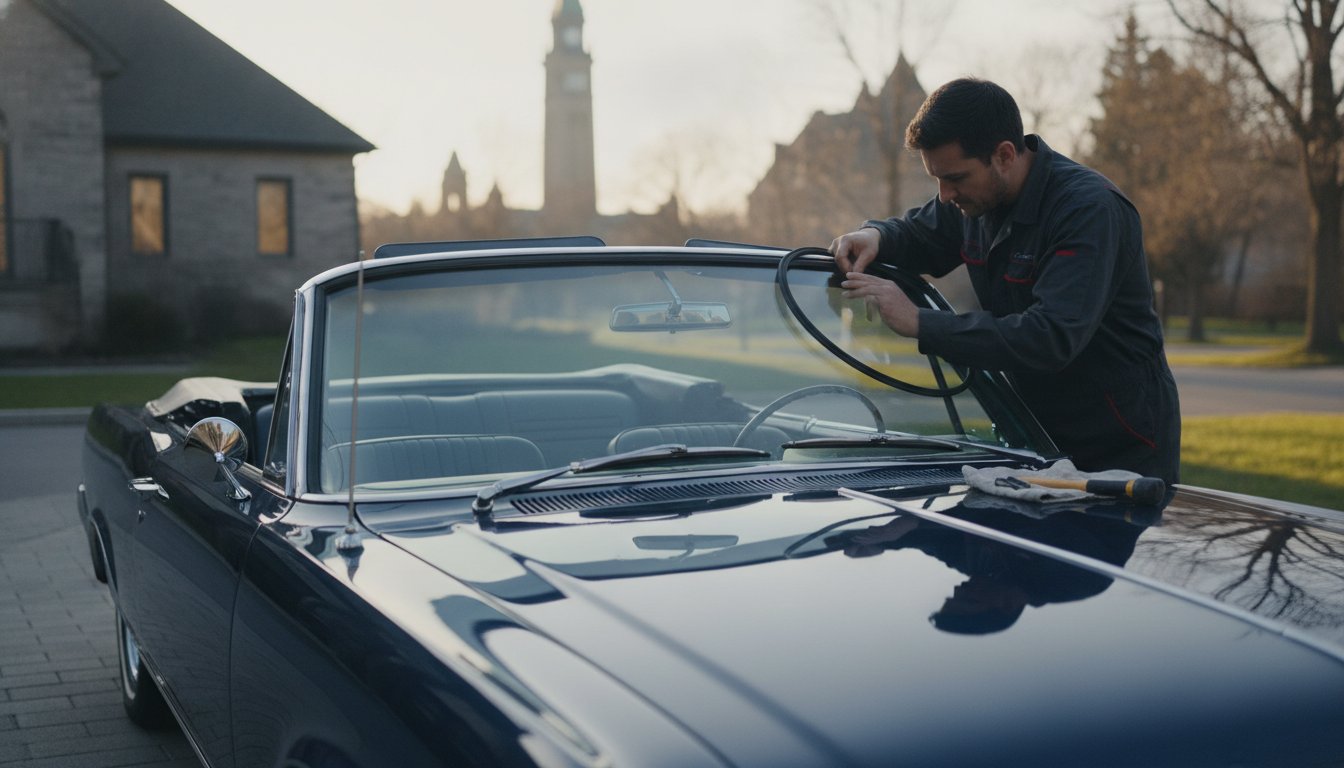
In Ottawa, the greatest threat to your vintage vehicle isn’t just a stray pebble; it’s the invisible humidity and road salt that quietly rot your original seals. You’ve invested countless hours into maintaining every period-correct detail, which makes Vintage Car Windshield Restoration: Preserving Classic Vehicles in Ottawa a high-stakes task. It’s natural to feel a sense of dread when considering a glass repair, especially when you worry about a technician accidentally scratching original paint or failing to find a piece of glass that matches the factory tint.
If you want to maintain the value of your heirloom, you need a strategy that prioritizes authenticity. This guide will show you how to manage the technical side of glass preservation so you can protect your investment and keep your car road-ready for those summer weekend cruises. We’ll explore the specialized techniques used to source rare glass, why seal integrity is vital in our local climate, and how professional mobile services ensure your heritage vehicle remains safe and authentic.
Key Takeaways
- Learn how Vintage Car Windshield Restoration: Preserving Classic Vehicles in Ottawa balances period-correct aesthetics with modern safety standards to maintain your car’s investment value.
- Discover the specific criteria for choosing between repairing original glass to keep “survivor” status or replacing it with authentic, date-coded glass.
- Identify the best storage and maintenance practices to protect fragile seals and vintage tints from the corrosive effects of the National Capital Region’s climate.
- Understand why specialized handling of delicate clip-on trim and heritage seal systems is essential to prevent hidden rust and water damage.
- Learn the key differences between OEM, OEE, and aftermarket glass to ensure your replacement matches the factory-original look.
Understanding the Unique Challenges of Vintage Glass in Ottawa
Ottawa’s climate is notoriously hard on vehicles, but classic car owners face a specific set of hurdles. Restoring a heritage vehicle requires more than just mechanical work; it demands an understanding of how materials from different eras react to our local environment. Vintage Car Windshield Restoration: Preserving Classic Vehicles in Ottawa is complicated by the fact that older glass was manufactured using processes that didn’t account for modern chemical exposure or the extreme thermal cycling seen in the National Capital Region.
The technology has changed significantly over the decades. Early vehicles often relied on plate glass, which shattered into dangerous shards upon impact. By the mid-20th century, manufacturers transitioned to safer alternatives. Understanding the history of laminated safety glass helps owners understand why their original windshields are so susceptible to age. Unlike modern windows, these early laminates were structural components designed to provide rigidity to the roof and cabin. This means a crack isn’t just an eyesore; it’s a compromise to the vehicle’s safety.
Delamination and the “Milky” Edge Effect
If you notice a white or cloudy haze creeping in from the edges of your windshield, you’re seeing delamination. This happens when the polyvinyl butyral (PVB) interlayer, which bonds the two layers of glass together, begins to separate. Ottawa’s temperature swings, which can range from -30°C in January to +30°C in July, accelerate this process. As the glass and plastic expand and contract at different rates, the bond fails. In unheated Ottawa garages, moisture from the air enters these tiny gaps and freezes, pushing the layers further apart. Once this cloudiness enters your primary field of vision, it becomes a safety hazard that requires professional attention.
The Impact of Ontario Road Salt on Classic Seals
Road salt is a constant reality for Ottawa drivers, and it’s particularly aggressive toward vintage glass systems. Most classic cars use thick rubber gaskets and metal channels to hold the glass in place. Salt-laden moisture often gets trapped behind these old seals, where it sits against the metal pinch-weld. This leads to “rust-out,” a condition where the metal frame supporting the glass begins to perforate. By the time you see bubbles in the paint around the windshield, the structural frame may already be compromised. Preserving the metal frame is just as vital as protecting the glass itself, and this detailed care is a core part of Vintage Car Windshield Restoration: Preserving Classic Vehicles in Ottawa.
The Restoration Process: Repairing vs. Replacing Classic Auto Glass
Choosing between repairing original glass and installing a new unit is the most critical decision in Vintage Car Windshield Restoration: Preserving Classic Vehicles in Ottawa. Many collectors prioritize “survivor” status, wanting to keep every factory-installed component. However; your safety shouldn’t be a secondary concern. Modern glass standards, such as those outlined in Federal Motor Vehicle Safety Standard No. 205, exist for a reason. If the original glass is severely pitted or delaminated, it can no longer provide the structural support required during a rollover or impact. Evaluating the trade-off between originality and safety requires a seasoned eye to determine if the glass still meets basic structural integrity requirements.
Assessing Surface Damage: Chips and Scratches
Minor chips can often be saved through specialized resin injection. This process involves forcing a clear, high-strength resin into the break to prevent it from spreading. It’s vital to remember that older glass is often thicker than modern counterparts; so the resin must be carefully matched to ensure the refractive index remains consistent. While light scratches can sometimes be polished out, we generally advise caution. Over-polishing creates “lens” distortion, which can cause headaches or depth perception issues during long weekend drives. If you’re unsure whether your glass can be saved, having a specialist perform a mobile glass assessment is the safest first step.
The Replacement Workflow for Heritage Vehicles
When replacement is the only responsible option, the workflow must be meticulous to protect the vehicle’s value. We follow a structured process to ensure a perfect fit:
- Step 1: Documenting and removing trim. We use specialized tools to remove delicate stainless steel or chrome trim without bending or scratching the original pieces.
- Step 2: Pinch-weld treatment. After the old glass is out, we clean and treat the metal frame. This step is essential in Ottawa to stop any hidden rust from spreading.
- Step 3: Dry-fitting. We never just slap glass in. We dry-fit the new piece to ensure it aligns perfectly with frames that may have shifted slightly over fifty years.
- Step 4: Proper sealing. Depending on the era, we use period-correct rubber gaskets or modern high-modulus urethanes to ensure a leak-free finish that lasts through Ottawa winters.
Precision during these steps prevents the common nightmare of “universal” seals that look wrong and eventually leak. Taking the time to treat the pinch-weld ensures that your restoration efforts aren’t undone by oxidation six months down the road.
Sourcing Authentic Glass and Specialty Seals for Vintage Models
Finding the correct materials is often the most time-consuming phase of Vintage Car Windshield Restoration: Preserving Classic Vehicles in Ottawa. You can’t simply order a 1964 Mustang windshield from a standard modern catalogue and expect a factory-perfect fit. Sourcing requires a deep dive into historical specifications to ensure the glass matches the original thickness, tint, and date-coding. If you’re aiming for a concours-level restoration, identifying the etched date codes on the glass is essential. These small markings prove the glass was manufactured in the correct window of time for your vehicle’s specific build date.
The choice of tint is another detail that separates a professional restoration from a budget repair. Many 1960s-era vehicles featured a subtle “green tint” or a shaded top band. Installing perfectly clear glass on a car that originally had tinted windows looks jarring and devalues the vehicle. We also prioritize sourcing high-quality EPDM rubber seals. Low-grade “universal” weatherstripping often fails after just one Ottawa winter. It becomes brittle and cracks when the temperature hits -25°C, leading to the exact seal rot and pinch-weld rust issues that plague unprotected classics.
OEM vs. Reproduction Glass: What You Need to Know
Collectors often hunt for “New Old Stock” (NOS) glass. This is original factory glass that was manufactured decades ago but never installed. While NOS is the holy grail, it’s increasingly rare. High-quality reproductions from manufacturers like Pilkington offer a reliable alternative. These are often classified as OEE (Original Equipment Equivalent), meaning they meet the factory specifications even if they weren’t made by the original brand. The key is verifying the glass thickness. If a reproduction is even a millimetre thinner than the original, the gasket won’t compress properly. This creates a loose fit that invites leaks and wind noise.
Custom Glass Solutions for Rare and Modified Rides
Not every project follows a factory blueprint. Restomod builds often require custom-cut flat glass for chopped tops or modified cabs. For vehicles from the 1920s through the 1940s, we often work with tempered side glass that must be cut to precise templates. Integrating modern safety laminates into these classic profiles allows you to maintain a vintage aesthetic while benefiting from 21st-century impact protection. Whether you need a standard replacement or a custom solution, our 15+ years of local experience helps us navigate specialty suppliers to find exactly what your heritage project requires.

Protecting Your Classic Investment from Ottawa’s Harsh Elements
Ottawa’s climate is a silent killer for heritage glass. While many owners focus on the engine or paint, the glass seals are often the first components to fail. Vintage Car Windshield Restoration: Preserving Classic Vehicles in Ottawa isn’t just a one-time project; it’s a commitment to ongoing maintenance. The primary threat in Ontario is “dry-rotting.” This occurs when the essential oils in the rubber gaskets evaporate, leaving the material brittle and prone to cracking. Once a seal cracks, moisture enters the frame, leading to the catastrophic pinch-weld rust that can ruin a restoration. Taking preventative steps before the winter season is the only way to avoid these expensive repairs.
Ottawa Winter Storage: Glass Preservation Tips
If you store your vehicle in an unheated space, you’re risking significant seal shrinkage. Extreme cold makes rubber less pliable and more likely to pull away from the metal frame. Ideally, you should use a climate-controlled centre to keep the temperature stable and prevent the radical expansion and contraction of the glass. Managing humidity is equally important. In the National Capital Region, humidity fluctuates wildly from the dry winter air to the muggy summer months. High humidity can trigger delamination, while overly dry air accelerates seal rot. Before the first snow falls, apply a specialized silicone-based protectant to your gaskets. This keeps the rubber supple and creates a water-repellent barrier that lasts through the dormant season.
Maintenance for the Modern Classic
Daily care is just as important as long-term storage. When cleaning your vintage glass, never use ammonia-based cleaners. These harsh chemicals can damage fragile factory tints and degrade early heating elements found in some heritage models. Stick to a simple mixture of distilled water and a drop of dish soap, or a dedicated ammonia-free automotive glass cleaner. Inspect your seals every spring for signs of water ingress or “milky” edges. If you’re out for a summer cruise in Kanata and catch a stone chip, don’t wait for it to spread. The vibration from the road and the summer heat can turn a small chip into a full-length crack in hours. Acting immediately saves the original glass and maintains the vehicle’s “survivor” status.
If you notice a small chip or a thinning seal during your spring inspection, it’s best to act quickly. You can book a mobile glass inspection to catch these issues before they require a full replacement.
Why Professional Restoration is Essential for Heritage Vehicles
Attempting a DIY glass installation on a classic is a gamble that rarely pays off. While modern vehicles use standardized adhesives, heritage cars rely on complex systems of gaskets, clips, and specialized sealants. When you choose a professional for Vintage Car Windshield Restoration: Preserving Classic Vehicles in Ottawa, you aren’t just paying for glass; you’re paying for the preservation of your car’s structural history. Amateur attempts often rely on “universal” seals that fail to provide a precise fit. This leads to persistent leaks and, eventually, hidden rust that can devalue a five-figure restoration project in a single season.
Our team leverages 15+ years of local experience to handle these high-stakes projects. We understand the nuances of specialty collector insurance policies and provide the necessary insurance claim assistance to ensure your heritage vehicle is covered correctly. Every restoration we perform comes with a lifetime warranty on workmanship and leakage. This is our promise that your windshield will remain secure and bone-dry, even through the most unpredictable Ottawa winters.
Precision Tools for Precision Cars
Modern glass replacement often relies on “cold knives” or powered extraction tools designed for speed. These are frequently too aggressive for vintage vehicles. Using these tools on a classic can easily mar original paint or gouge the metal pinch-weld. We prioritize hand-tooling in tight corners to ensure the frame remains pristine. This methodical approach is especially important when handling delicate clip-on trim systems made of stainless steel or chrome. These pieces are often irreplaceable; so removing them without bending or scratching them requires specialized picks and a patient hand. A leak-free seal is only possible when the frame is perfectly prepared and the glass is seated with manual precision.
Mobile Service for Non-Roadworthy Restorations
Many of the most rewarding restoration projects aren’t yet road-legal. Transporting a vehicle with missing or broken glass on a flatbed is risky and expensive. Our free mobile service solves this problem by bringing the expertise directly to your home garage or restoration shop. This is the safest way to handle glass for project cars, as it eliminates the risk of road debris hitting an unprotected interior during transit. It also allows you to oversee the process in your own space. If your classic is ready for its final piece of glass, you can organize a mobile appointment to have a specialist visit your location. Professional Vintage Car Windshield Restoration: Preserving Classic Vehicles in Ottawa ensures your weekend cruiser is safe, authentic, and ready for the road.
Ready to Hit the Road with Crystal Clear Authenticity
Restoring a heritage vehicle is a labour of love that requires attention to every period-correct detail. Protecting your investment means more than just a quick fix; it requires understanding how Ottawa’s unique environment impacts older glass and seals. By focusing on high-quality sourcing and professional installation, you ensure your car remains safe for those summer cruises through the Gatineau Hills. Vintage Car Windshield Restoration: Preserving Classic Vehicles in Ottawa is about more than aesthetics; it is about structural safety and long-term value.
With 15+ years of local experience specializing in vintage glass, our team provides the precision your heirloom deserves. We offer a lifetime warranty on all workmanship and leakage, giving you peace of mind that your restoration will withstand the elements. Our 100% free mobile service brings the shop to your garage or restoration centre, so you don’t have to worry about transporting a delicate project car. Get a Free Mobile Quote for Your Classic Car Glass Restoration and get your heritage vehicle back on the road where it belongs.
Frequently Asked Questions
Can you find a windshield for a car from the 1950s or 1960s in Ottawa?
Yes, we can source glass for most 1950s and 1960s models through our extensive network of specialty OEE suppliers. While “New Old Stock” is increasingly rare, modern reproductions from trusted brands like Pilkington provide an exact fit. Our 15+ years of experience in the National Capital Region helps us navigate the logistics of finding rare pieces that meet original factory specifications for thickness and tint.
Is it better to repair an original vintage windshield or replace it with new glass?
It is better to repair original glass if the damage is limited to minor chips, as this maintains your vehicle’s “survivor” status. However; if you see deep pitting, large cracks, or delamination, replacement is the only responsible choice for structural safety. Vintage Car Windshield Restoration: Preserving Classic Vehicles in Ottawa requires balancing historical value with modern safety standards to ensure your car remains road-worthy.
Does my classic car insurance cover windshield replacement in Ontario?
Most specialty collector policies in Ontario cover glass replacement, often with a lower deductible or agreed-value coverage. We provide comprehensive insurance claim assistance to help you navigate the paperwork and ensure your provider understands the value of period-correct materials. It’s always best to check your specific policy details, but we handle the administrative burden for you to keep the process stress-free.
How long does it take to restore or replace glass on a vintage vehicle?
A standard chip repair usually takes about 30 to 60 minutes. A full replacement typically requires a few hours for the physical installation, though sourcing the correct vintage glass can take anywhere from a few days to several weeks depending on the model’s rarity. We prioritize precision over speed to ensure the delicate trim and gaskets are handled with the care they deserve.
Will a new windshield look different from the original glass on my classic car?
A high-quality replacement shouldn’t look different if you choose the correct glass specifications. We match the original factory “green tint” or clear finish and ensure the glass thickness matches the original factory build. This attention to detail is vital for Vintage Car Windshield Restoration: Preserving Classic Vehicles in Ottawa, as it ensures the new glass integrates seamlessly with your car’s heritage aesthetic and original trim.
Can you perform vintage glass restoration at my home in Ottawa?
Yes, we offer a 100% free mobile service across Ottawa and Gatineau that can come directly to your home garage or restoration shop. This is often the safest option for vehicles that aren’t yet road-legal or are mid-restoration. Our technicians bring all the specialized tools required to perform a professional installation in your own space, removing the risk of transporting a car with compromised glass.
What happens if the original metal frame is rusted when the glass is removed?
If we find surface rust on the pinch-weld after removing the glass, we clean and treat the metal to prevent future oxidation. However; if the rust is structural and has caused holes in the frame, you will need to consult a body shop for metal repair. We don’t offer vehicle paint or body repair services, but ensuring the frame is solid is essential for a leak-free glass installation that lasts.
Why is my classic car windshield getting cloudy or “milky” around the edges?
That “milky” appearance is called delamination, which happens when the plastic interlayer separates from the glass layers. Ottawa’s extreme temperature swings accelerate this process by causing the materials to expand and contract at different rates. Once moisture enters the gap and freezes, it pushes the layers further apart. This cloudiness eventually becomes a safety hazard that obscures visibility and requires a full glass replacement.