
Tempered Glass vs. Laminated Glass: Which Car Window Protects You Best?
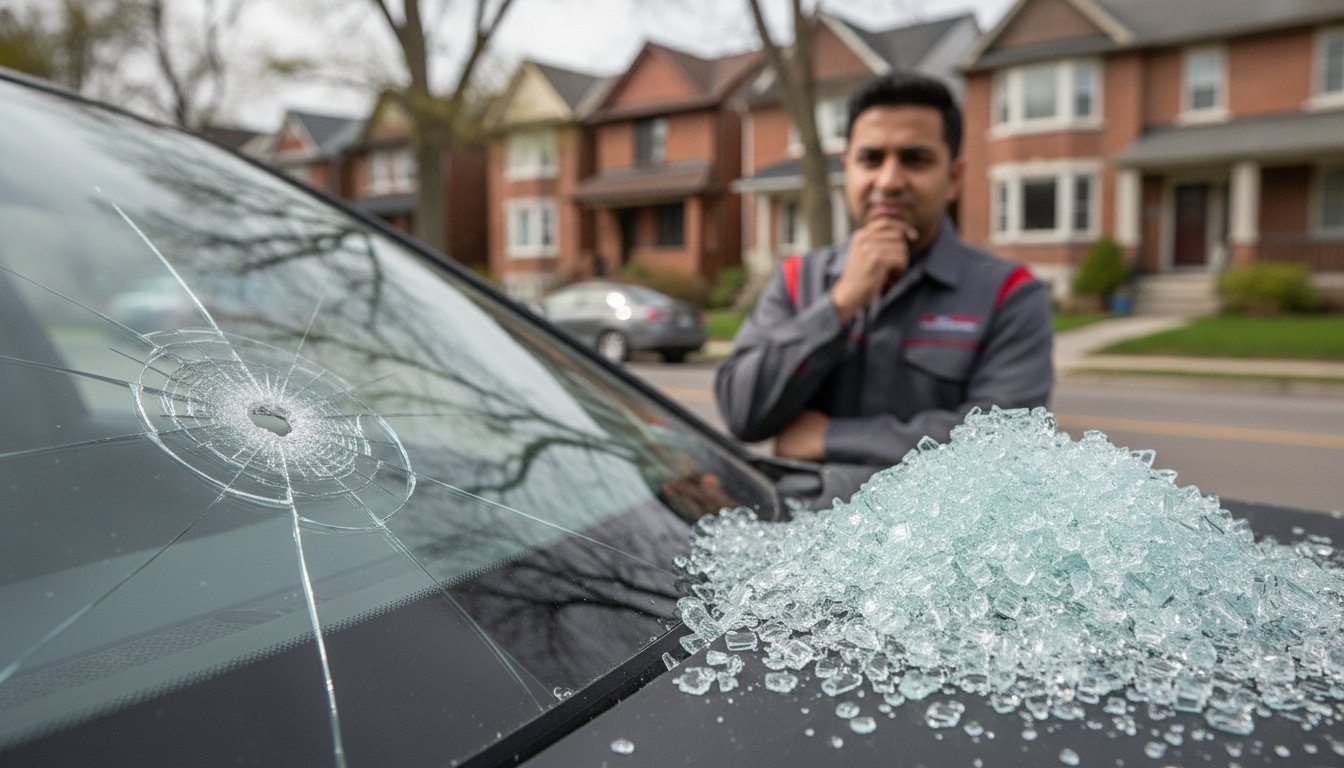
Would you rather have a car window that shatters into thousands of tiny pebbles or one that stays firmly in its frame during a collision? Most drivers realize that auto glass is important, but they often don’t think about the specific technology protecting them until a rock chips the windshield or a sudden break-in occurs. It’s natural to feel anxious about sharp shards during an accident or confused by the differing costs of professional repairs. Understanding the differences between a tempered glass vs laminated glass car window is the first step toward true peace of mind on the road.
We’ll help you identify which glass type is used in your side windows versus your windshield and why that choice matters for your family’s security. You’ll discover the functional differences that determine whether a chip can be fixed or if a full replacement is necessary. This guide provides a clear look at modern safety standards and repair options, ensuring you feel confident and informed the next time you need to manage a vehicle glass issue. From impact resistance to noise reduction, we’ll break down everything you need to know about your vehicle’s protective layers.
Key Takeaways
- Understand why your vehicle uses two distinct glass types to balance impact resistance with emergency exit safety.
- Learn the critical differences between a tempered glass vs laminated glass car window to determine if your damage requires a simple repair or a full replacement.
- Discover how unique manufacturing processes—bonding layers for strength or rapid cooling for tension—protect you from dangerous shards during an accident.
- Identify which chips and cracks can be professionally fixed to save you time and hassle before the damage spreads across your windshield.
- Realize why expert installation is vital for maintaining structural integrity and how a lifetime warranty ensures long-term peace of mind for your vehicle.
Understanding Safety Glass: Why Your Car Uses Two Different Types
Safety glass isn’t just a marketing term; it’s a specific category of glazing designed to minimize the risk of injury if the glass fails. Unlike the standard plate glass used in old buildings, Vehicle glass is engineered to manage energy during an impact. The primary goal is simple: prevent the formation of large, razor-sharp shards that cause deep lacerations. When you look at the choice between a tempered glass vs laminated glass car window, you’re seeing two different ways engineers solve this safety puzzle.
Laminated glass acts as a high-strength “sandwich,” bonding two sheets of glass with a clear plastic interlayer. If it breaks, the plastic holds the pieces in place. Tempered glass, on the other hand, is “heat-treated” through a process of extreme heating and rapid cooling. This creates internal tension so the glass breaks into thousands of small, dull pebbles. While tempered glass has been the standard for side windows for decades, many newer vehicles in Ottawa are switching to laminated side glass for better soundproofing, theft prevention, and UV protection for the interior.
The Role of Glass in Vehicle Structural Integrity
Your windshield is a silent partner in your car’s safety system. It provides up to 45% of the cabin’s structural strength in a front-end collision and a staggering 60% during a rollover. If the glass isn’t installed perfectly, it can’t support the roof or provide a solid surface for the passenger-side airbag to bounce off during deployment. Canadian safety standards have become increasingly strict to ensure that automotive glazing helps maintain the “survival space” of the cabin during a serious accident. Professional installation is non-negotiable here, and we often help clients with insurance claim assistance to ensure these critical safety repairs are handled correctly.
Ottawa Weather and Glass Stress
Living in the National Capital Region means your car glass endures some of the harshest conditions in the country. Ottawa’s weather swings from -30°C in the dead of winter to +30°C during a humid July. These temperature spikes cause the glass and the vehicle’s frame to expand and contract at different rates. This constant movement creates significant stress. It’s the reason a tiny stone chip can suddenly turn into a massive crack when you blast the defroster on a freezing morning. High-quality materials and expert workmanship are essential here to prevent the glass from succumbing to thermal shock or leaking after a replacement.
Laminated Glass: The High-Strength Shield for Your Windshield
Laminated glass is the silent protector of your vehicle’s front end. It is constructed by bonding two separate sheets of glass together with a tough, clear interlayer. This “sandwich” design is the fundamental difference when comparing a tempered glass vs laminated glass car window. While tempered glass is designed to break under pressure, laminated glass is engineered to hold its shape. If a stone strikes your windshield, the glass will “spider” or crack, but the plastic core keeps the entire structure intact and prevents it from collapsing into the cabin.
This plastic layer provides more than just physical strength. It blocks roughly 99% of harmful UV rays, which protects your skin and prevents your dashboard from fading over time. It also acts as a highly effective sound barrier. This makes your cabin significantly quieter during high-speed commutes. Most importantly, laminated glass is the only type of auto glass that is generally repairable. If you catch a chip early, a professional technician can often inject specialized resin to restore the integrity without requiring a full replacement.
Why Windshields Must Be Laminated
Driving on major routes like the 417 or 416 often means dodging flying debris from construction trucks or winter salt spreaders. Laminated glass ensures that a stray pebble doesn’t turn into a dangerous projectile inside your car. The secret is the polyvinyl butyral (PVB) interlayer. PVB is a specialized plastic that absorbs the energy of an impact, keeping the shards bonded together. It also serves a critical role in preventing passenger ejection during a severe collision. By remaining firmly attached to the vehicle frame, the glass acts as a safety net for everyone inside.
ADAS and Laminated Glass Precision
Modern vehicles rely on Advanced Driver Assistance Systems (ADAS). These systems use cameras mounted behind your rearview mirror to monitor lane markings and surrounding traffic. These cameras require perfectly clear, distortion-free glass to function accurately. Even a tiny misalignment in the PVB interlayer can confuse the sensors. This is why ADAS recalibration after windshield replacement is a mandatory safety step for modern cars. If your sensors aren’t seeing the road correctly, your safety features might fail when you need them most. If you’ve noticed a new crack, it’s wise to consult a professional before the damage affects your vehicle’s sophisticated safety technology.
Tempered Glass: The “Safety Shard” Specialist for Side Windows
Tempered glass is built for impact but behaves very differently from the laminated “sandwich” we discussed previously. When weighing tempered glass vs laminated glass car window options, you’re looking at a material that prioritizes rapid exit and cost-effective strength. The glass is heated to roughly 600°C and then blasted with high-pressure cold air. This “quenching” process cools the outside faster than the inside, creating a permanent state of internal tension. It makes the glass up to four times stronger than standard plate glass against blunt force. However, that same tension means that once the surface is breached, the entire pane fails instantly.
Because of this internal stress, tempered glass cannot be repaired. If you find a chip or a crack in a side window, it’s already on the verge of total failure. While a windshield can often be saved with resin, a tempered window requires immediate replacement. When we handle these replacements, our professional installation includes a lifetime warranty on workmanship, ensuring your new side window is as secure as the original factory part. You’ll typically find this glass in side windows, rear windows, and sunroofs.
The “Pebble” Effect: Why It Saves Lives
In the past, car windows were made of standard glass that broke into large, jagged shards. This created a dangerous “guillotine” effect during collisions. Modern tempered glass avoids this by shattering into thousands of small, relatively dull pebbles. While this makes the cleanup inside your car a chore, it significantly reduces the risk of deep lacerations. It’s a design choice that sacrifices the window to save the passenger. This is why you’ll see the entire window disappear into a pile of glass bits rather than staying in the frame after a break-in or a crash.
Emergency Escape and First Responder Access
There is an ongoing debate among safety experts and drivers regarding the industry shift toward laminated side windows. While laminated glass is better at preventing theft and keeping occupants inside the car during a roll, it’s incredibly difficult to break in an emergency. If a vehicle is submerged in water or involved in a fire, tempered glass is much easier to break for a quick exit. Ottawa paramedics and fire crews use specialized spring-loaded punches to shatter tempered glass instantly. If your car has laminated side windows, those same tools won’t work, forcing rescuers to use heavy-duty saws. It’s a trade-off between the security of a shield and the accessibility of a safety hatch. If you’re unsure which type your vehicle uses, look for the “Laminated” or “Tempered” stamp in the bottom corner of the glass.

Laminated vs. Tempered Glass: A Side-by-Side Comparison
Choosing between different types of protection often comes down to your specific driving environment. When you compare a tempered glass vs laminated glass car window, the differences in impact resistance and repairability become clear. Laminated glass offers high impact resistance because the interlayer prevents objects from penetrating the cabin. Tempered glass provides medium-to-high strength against blunt force, but it’s designed to fail completely once its surface is compromised. This fundamental difference dictates how we handle your vehicle glass needs in the shop.
- Repairability: Laminated glass is the only type that allows for professional chip or crack repair. Tempered glass cannot be fixed; if it’s damaged, it must be replaced.
- Sound Insulation: The PVB layer in laminated glass damps vibrations. This results in a significantly quieter ride compared to the thinner, single-layer tempered panes.
- Safety: Laminated glass keeps you inside the vehicle during a rollover. Tempered glass allows for easier emergency egress if you need to exit the vehicle quickly.
Security and Theft Prevention
If you frequently park in downtown Ottawa or the ByWard Market, security is likely a top priority. Laminated glass is a major deterrent for “smash and grab” thieves. While a tempered side window shatters instantly with a single strike from a specialized tool, laminated glass remains in the frame. A thief would need to spend several minutes hacking through the plastic interlayer to gain entry. For owners of high-theft vehicle models in Ontario, such as certain late-model SUVs and pickup trucks, having laminated side glass provides an extra layer of protection that often sends thieves looking for an easier target.
Cost and Insurance Considerations
From a manufacturing standpoint, laminated glass is more complex and typically costs 20% to 40% more to replace than tempered glass. However, this cost is often offset by its repairability. Fixing a small stone chip is far more affordable than replacing an entire side window. When damage occurs, navigating an auto glass insurance claim in Ottawa can help manage these expenses. Many Ontario insurance policies cover chip repairs with no deductible, whereas a full replacement of either glass type will usually require you to pay your standard comprehensive deductible. If you’re unsure about your coverage or the type of glass you have, contact our team for a professional assessment and assistance with your claim paperwork.
Professional Glass Replacement and Repair in Ottawa
Attempting a DIY glass repair might seem like a way to save time, but it often introduces significant safety risks. Modern car glass is a precision-engineered component that must be installed with surgical accuracy to maintain your vehicle’s structural integrity. If a repair resin isn’t cured correctly or a replacement pane isn’t seated with the right industrial adhesive, the glass can’t perform its role during a collision. We prioritize using OEM-equivalent glass to ensure a perfect fit, especially for vehicles featuring advanced sensors or complex seals. You can easily identify which type of protection you have by checking the “bug” stamp. This small monogram in the corner of your window usually specifies “Tempered” or “Laminated,” helping you understand the tempered glass vs laminated glass car window technology currently protecting you.
We realize that a broken window is a major disruption to your schedule. That’s why we offer 100% free mobile service throughout Ottawa and Gatineau. Our technicians perform on-site replacements at your home or office, allowing you to stay productive while we handle the technical work. For local business owners, we provide specialized support for commercial fleet auto glass in Ottawa. Most professional replacements are completed in about an hour, though we always account for the necessary “drive-away time” to let the adhesives cure properly before you get back on the road.
What to Do After You Discover Glass Damage
If you find a new chip or a shattered pane, follow these simple steps to ensure a smooth resolution:
- Assess the damage: Determine if the glass is shattered into pebbles (tempered) or simply cracked (laminated). This helps our technicians prepare the correct parts before they arrive at your location.
- Protect the area: If the glass is cracked but intact, cover the area with a small piece of clear tape to keep out dirt and moisture. This keeps the damage clean, which is essential for a successful repair result.
- Call the experts: Reach out to a certified technician for a mobile assessment. We can even assist with your insurance claim paperwork to make the entire process seamless and stress-free.
Don’t let a small crack become a major safety hazard. Contact Auto Glass Ottawa for a free mobile service quote today!
Stay Safe on the Road with the Right Glass Protection
Understanding the functional differences between a tempered glass vs laminated glass car window helps you make the best choice for your vehicle’s safety and security. You now realize that while laminated glass provides a repairable, high-strength barrier for your windshield, tempered glass offers a reliable way to exit your car quickly in an emergency. Both materials serve a critical purpose in your car’s structural design and modern passenger protection systems.
If you discover a chip or a shattered pane, don’t let the stress of a repair slow you down. We offer assistance with all major Canadian insurance providers and provide 100% free mobile service across Ottawa and Gatineau. Our certified technicians ensure every installation includes a lifetime warranty on all workmanship for your total peace of mind. Get a Free Mobile Auto Glass Quote in Ottawa & Gatineau today. Drive with confidence knowing your vehicle’s glass is in expert hands.
Frequently Asked Questions
Can laminated glass windows be repaired if they are chipped?
Yes, laminated glass is generally repairable if the damage is caught early. If a stone chip is smaller than a two-dollar coin and hasn’t reached the plastic interlayer, a technician can inject a clear adhesive resin. This process restores the structural integrity of the window and prevents the crack from spreading. It’s a quick, cost-effective solution that keeps the original factory seal intact while saving you the expense of a full replacement.
Why are my car side windows made of tempered glass instead of laminated?
Most side windows use tempered glass because it’s designed to shatter into harmless pebbles rather than sharp shards. This “safety shard” effect is critical for emergency situations where you might need to break the glass to exit the vehicle quickly. It’s also significantly lighter than the multi-layered laminated alternative. This helps improve fuel efficiency across the vehicle while providing enough strength to withstand standard road vibrations and minor impacts.
How can I tell if my car windows are laminated or tempered?
You can identify the glass type by inspecting the “bug” stamp located in one of the bottom corners. This permanent etching includes the manufacturer’s name and safety certifications. It will almost always specify if the pane is “Tempered” or “Laminated.” If the stamp is missing, roll the window down halfway and look at the top edge. Understanding the tempered glass vs laminated glass car window difference is easiest when you see the “sandwich” layers in laminated panes.
Is laminated glass more expensive to replace than tempered glass?
Laminated glass typically carries a higher replacement cost because it’s more complex to manufacture. The process of bonding two sheets of glass with a specialized plastic interlayer requires more materials and precision. In contrast, tempered glass is a single heat-treated pane. While the initial cost is higher, laminated glass can often be repaired. This might save you money in the long run compared to the “replace-only” nature of tempered windows.
Will insurance cover the replacement of a tempered side window?
Most comprehensive insurance policies in the National Capital Region cover the replacement of any broken vehicle glass. Whether you’re dealing with a shattered tempered side window or a cracked laminated windshield, we can provide insurance claim assistance to simplify the process. You’ll generally only be responsible for your policy’s deductible. We work directly with all major Canadian insurance providers to ensure your vehicle is restored to safety standards as quickly as possible.
Can a tempered glass window be repaired?
No, tempered glass cannot be repaired once it has been damaged. The internal tension that makes it strong also makes it unstable once the surface is chipped. Any small nick or crack will eventually cause the entire pane to shatter into tiny pieces. If you notice any damage to your side or rear windows, it’s essential to book a replacement immediately to prevent a sudden, messy failure while you’re driving.
Is it safer to have laminated glass in all car windows?
Safety is a balance of different factors. Laminated glass is superior for preventing occupant ejection during a rollover and deterring “smash and grab” thefts. However, tempered glass is safer for emergency exits if your car is trapped in water. Understanding the trade-offs of a tempered glass vs laminated glass car window helps you realize why manufacturers use a combination of both. Most modern vehicles prioritize laminated glass for the windshield and tempered glass for side exits.
Does tempered glass provide UV protection like laminated glass?
Standard tempered glass provides very little protection against UV rays. It might be tinted to reduce glare and heat, but it doesn’t have the specialized interlayer found in laminated glass. The PVB layer in a laminated window is what actually blocks up to 99% of harmful UV radiation. This helps protect your skin during long summer drives and prevents your vehicle’s interior fabrics and dashboard from fading or cracking over time.