
Ontario Highway Traffic Act Windshield Obstruction: What Drivers Need to Know
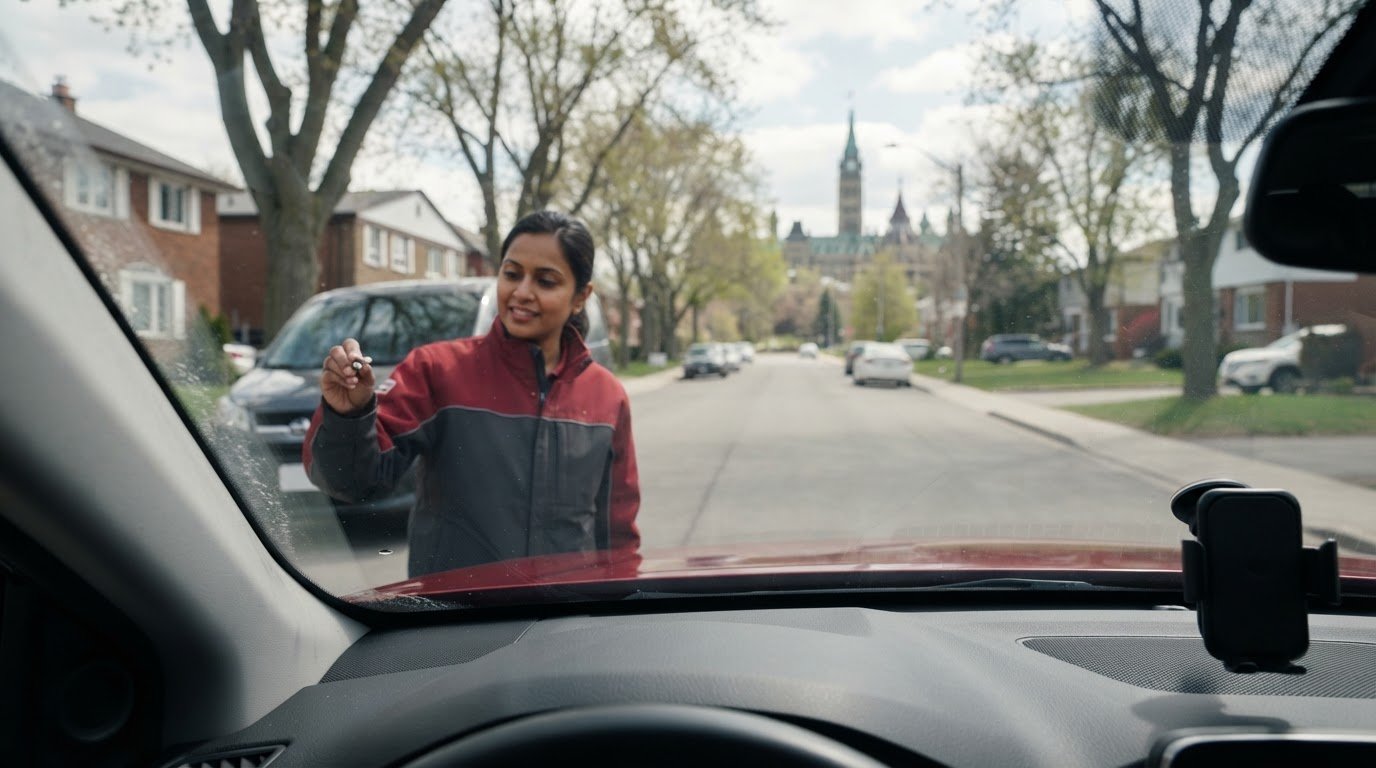
Could a windshield chip be less of a legal concern than a phone mount in your line of sight? Under the Ontario highway traffic act windshield obstruction rules, the key question is whether you can see the road clearly, not simply whether your glass is damaged.
It’s understandable to want a clear answer before driving, especially because the issue may involve a crack, snow buildup or an object attached to the windshield. Section 74 of Ontario’s Highway Traffic Act sets out a clear view requirement for the windshield and the windows around the driver.
In this guide, you’ll learn where to check the current wording on an official Ontario source, how visibility concerns differ from damage alone, and what to check before getting behind the wheel. We’ll also explain when an obstruction needs attention and when a professional glass assessment can help you decide on a safe next step. If damage affects your view, don’t dismiss it. Visibility and windshield condition both deserve careful attention.
Key Takeaways
- Learn how the Ontario highway traffic act windshield obstruction rule centres on a driver’s clear view, and where to verify the current wording.
- Understand why a crack doesn’t automatically answer whether your view is obstructed. Its position and effect on visibility matter.
- Check for objects, coverings, residue or weather buildup that may interfere with your forward view.
- If your view is materially impaired, stop somewhere safe and don’t continue driving until visibility is restored.
- If windshield damage affects your view, Auto Glass Ottawa offers free mobile service in Ottawa and Gatineau for a professional glass assessment.
Ontario Highway Traffic Act windshield obstruction: What does the Act say?
If a crack, frost or something attached to your windshield is affecting your view, it’s reasonable to ask whether you can legally drive. Start with the current wording of Ontario’s Highway Traffic Act, not an assumption based on the type or size of the obstruction. The Act sets out rules governing road use. This overview of the Highway Traffic Act provides background, but the statute itself is the authority to check.
Concise summary of the rule: Section 74(1) says a person must not drive unless the windshield and the windows beside the driver are in a condition that gives the driver a clear view to the front and sides. It also addresses the rear window, with an exception where side mirrors provide a clear view to the rear. Read the provision in the current consolidated Ontario Highway Traffic Act before relying on this summary.
How to verify the applicable Ontario law
For the Ontario highway traffic act windshield obstruction question, check the live, consolidated statute on Ontario’s official e-Laws site rather than relying on an undated summary. The relevant visibility requirement is in section 74(1). Section 73 addresses certain window coatings, so check its wording separately if tint or a coating is the issue.
When reviewing the law, note the provision number, exact wording and date you checked it. Look for official Ontario regulations or guidance that clarify any terms the Act leaves open. If you can’t confirm a point in an official source, don’t present it as a legal requirement.
What the legal wording does and does not establish
Section 74 frames the issue around whether the driver has a clear view. It does not set out a specific crack or chip size that automatically determines whether the requirement is met. A damaged windshield therefore shouldn’t be described as automatically illegal or automatically acceptable without considering its effect on visibility and the wording of the Act.
Keep legal requirements separate from practical safety advice. If damage, dirt or another obstruction interferes with your view, treating it as a safety concern and arranging an assessment is prudent. That is not a ruling on how the law applies to your specific vehicle. This article offers general information, not legal advice or a decision about an individual case. No summary can promise whether a particular condition will lead to enforcement.
What can obstruct a driver’s view through the windshield?
A clear view can be affected by more than a crack in the glass. Section 74 of Ontario’s Highway Traffic Act centres on whether the windshield and nearby windows afford the driver a clear view. Check the current wording in the official Highway Traffic Act, R.S.O. 1990, c. H.8 before drawing a legal conclusion. The examples below are practical visibility concerns, not a ruling on whether a particular vehicle breaches the law.
Objects, coverings and buildup on the glass
Look for anything that interrupts your forward sightline: an item hanging from the rear-view mirror, a mount or device placed in front of you, or a sticker, covering or other material across the glass. Dirt, streaks and residue can also reduce visibility, especially when they catch glare or blur part of the road. As a practical safety step, keep the area you look through clear. Don’t assume a particular object or placement is legally permitted without checking the applicable wording.
Weather can create a visibility problem too. Snow, ice, frost or fog on the windshield may obscure the road or other vehicles. Clear the glass and make sure you can see properly before setting off. If buildup returns or visibility remains poor, don’t treat a small clear patch as proof that your full view is adequate.
Windshield damage and the driver’s view
Damage within the glass is different from an object sitting on it, but it can still affect what you see. A crack may distort the scene, while a chip can catch light or distract your eye. The effect depends on the damage and where it sits relative to your view. A mark on the glass alone doesn’t establish whether the legal clear view requirement is met.
Some repairable windshield chips may be suitable for repair, but that’s a glass service assessment, not a legal determination. Don’t rely on a general rule about crack size or location to decide whether a specific vehicle complies. Check the statute and any relevant official guidance before making that claim, and take your actual visibility seriously.
If you can’t see the road clearly through the windshield, avoid driving until the obstruction is addressed safely. If glass damage is affecting visibility, you can arrange a professional windshield assessment. Auto Glass Ottawa offers free mobile auto glass service in Ottawa and Gatineau.
Does a cracked windshield automatically violate Ontario’s obstruction rules?
No. A crack doesn’t automatically establish that a driver has violated Ontario’s clear view requirement. The relevant question is whether the driver can see clearly, considered against the current wording of the Highway Traffic Act. The Act doesn’t provide a universal crack size threshold that settles every case, so don’t rely on a guessed measurement, distance from the driver or repair deadline.
Visibility concerns are not the same as a legal conclusion
Notice what the damage does in real driving conditions. A crack that crosses your sightline, a chip that distorts what you see or damage that creates distracting glare may affect your view and warrants attention. These are practical concerns to assess, not a definitive interpretation of how the law applies to your vehicle.
The distinction matters in winter, too. An Ontario Provincial Police warning, reported in this report on why it can be illegal to drive with your windows blocked, addresses visibility obstructed by snow, ice and fog. That guidance concerns blocked windows. It doesn’t establish that every crack is unlawful or set a legal test for windshield damage.
If you need an answer about a specific charge, inspection or legal dispute, consult a qualified legal professional. A general article or glass assessment can’t decide how the Act applies to the facts of your case.
When glass damage calls for prompt professional assessment
Don’t minimize damage that interferes with your view or raises concerns about vehicle safety. A windshield is more than a viewing surface. Depending on the vehicle, it can contribute to structural support. That safety role is a reason to take damage seriously, but it isn’t, by itself, proof of a traffic law violation.
A glass technician can assess the windshield’s condition and whether repair or replacement may be suitable. That technical assessment is separate from deciding legal liability or whether a driver has breached the clear view rule. If you can’t see the road clearly, don’t keep driving just because the crack seems small.
If a windshield mounted camera or other driver assistance sensor is present, ask whether glass work calls for an ADAS health check or camera recalibration. These checks relate to sensor function, not the legal status of a crack. The Ontario highway traffic act windshield obstruction question and the right glass repair decision both involve safety, but they require different kinds of assessment.

What should you do if your windshield view is obstructed?
If something is blocking your view, don’t try to solve it while the vehicle is moving. The Ontario highway traffic act windshield obstruction rule centres on a clear view, but this practical checklist isn’t legal advice and can’t determine whether a specific situation complies with the law.
Checklist: Stop somewhere safe, identify what is blocking your view, and restore visibility only when it’s safe. If you still can’t see clearly, don’t continue driving.
A practical visibility and safety check
Once safely stopped, check the windshield from your normal driving position. Look for material on the glass, residue or weather buildup, and damage that may interfere with your sightline. Don’t reach across the cabin, adjust a mount or wipe the windshield while the vehicle is moving.
If the obstruction can be cleared safely while parked, do so, then check that you can see the road clearly. If visibility remains impaired, or you can’t address the issue safely where you’ve stopped, arrange assistance rather than driving on. A clear patch may not be enough if other parts of your forward view remain blocked.
When to seek legal or vehicle glass advice
For questions about whether your vehicle meets the legal requirement, or about an Equipment Defect Notice or enforcement, check the current official Ontario statute and guidance. For advice about how the law applies to your circumstances, speak with a qualified legal professional. A glass technician can assess windshield damage and discuss whether repair or replacement may be suitable, but can’t decide legal liability.
If glass damage affects your sightline or raises concerns about vehicle safety, arrange a professional assessment. If the vehicle has a windshield mounted driver assistance camera, ask whether replacement requires camera recalibration so its safety functions can operate as intended.
If damage leads to questions about insurance, review the Ontario windshield insurance claim guide for related claim information. For windshield damage affecting visibility in Ottawa or Gatineau, arrange a mobile windshield assessment with Auto Glass Ottawa. Its free mobile service can come to your home or workplace.
How Auto Glass Ottawa can help when windshield damage affects visibility
Understanding the Ontario highway traffic act windshield obstruction rules is one part of the issue. If damage is affecting your view, a professional glass assessment can help you understand whether repair or replacement may be appropriate. Auto Glass Ottawa provides vehicle glass service, not legal advice. A technician’s assessment won’t determine whether an offence occurred or how the law applies to your situation.
What to expect from a mobile glass assessment
Auto Glass Ottawa’s certified technicians assess the windshield’s condition and explain the glass service options for your vehicle. They’ll consider whether repair or replacement is suitable, with safety and the glass’s role in the vehicle in mind. The team has over 15 years of experience and serves Ottawa and Gatineau. Its workmanship and leakage are covered by a lifetime warranty.
Mobile service is available at your home or workplace in Ottawa and Gatineau, helping you avoid a trip to a shop. The mobile service is free. If your view is materially impaired, don’t drive the vehicle to an appointment. Ask about a safe way to arrange service instead.
Get help without disrupting your day
If your vehicle has a driver assistance camera mounted to the windshield, replacement may require ADAS camera recalibration. In simple terms, recalibration checks and adjusts the camera’s alignment so the system can read the road as intended. Whether it’s needed depends on the vehicle and the work being done. Auto Glass Ottawa provides ADAS recalibration when applicable.
If you’re unsure what the glass work involves, the team can explain the process and provide insurance claim assistance related to the glass service. Keep questions about legal compliance, a notice or enforcement separate, and direct them to an appropriate official source or a qualified legal professional.
For a professional assessment of windshield damage affecting visibility, contact Auto Glass Ottawa to discuss mobile service in Ottawa or Gatineau. The team can help you plan the glass repair or replacement process with less disruption to your day.
Keep your view clear and choose a safe next step
The Ontario highway traffic act windshield obstruction rule centres on whether you have a clear view, not simply on whether your windshield has a crack. Damage, an object or weather buildup can affect visibility differently. Assess what you can actually see and check the current official wording before drawing legal conclusions.
If your view is materially impaired, stop somewhere safe and don’t continue driving until visibility is restored. If damage remains or raises safety concerns, a professional glass assessment can help determine whether repair or replacement may be suitable. That assessment addresses the condition of the glass, not whether a legal offence occurred.
Auto Glass Ottawa has over 15 years of experience serving Ottawa and Gatineau. Its certified technicians provide free mobile service in both areas, with a lifetime warranty on workmanship and leakage. If your vehicle needs windshield replacement, ADAS recalibration is available when applicable to help ensure its driver assistance camera is correctly aligned.
Arrange mobile auto glass service in Ottawa or Gatineau to discuss your windshield concern. A clear view and the right professional support can help you move forward with greater confidence.
Frequently Asked Questions
What does the Ontario Highway Traffic Act say about windshield obstruction?
Section 74(1) of Ontario’s Highway Traffic Act requires the windshield and windows on either side of the driver to afford a clear view to the front and sides. It also addresses the rear window, unless side mirrors provide a clear view to the rear. This is the legal requirement, while advice to stop driving when visibility is unsafe is practical safety guidance. Check the current official statute, and seek qualified legal advice for a specific dispute.
Can you get a ticket in Ontario for a cracked windshield?
A crack doesn’t automatically establish that you’ll get a ticket. The Ontario highway traffic act windshield obstruction requirement concerns whether the driver has a clear view, so the damage’s effect on visibility matters. Don’t rely on a general online claim to predict enforcement or penalties. Check current official sources. If damage affects what you can see, arrange a professional glass assessment, and don’t drive if you can’t see safely.
Is it illegal to hang something from your rear-view mirror in Ontario?
Don’t assume that every item hanging from a rear-view mirror is automatically illegal, or that a particular size or placement is permitted. Check the current Ontario statute and any relevant official guidance before drawing a legal conclusion about a specific item. The practical concern is whether it interferes with your sightline. If an item blocks or distracts from your view, remove it safely while parked. Seek qualified legal advice for a specific concern.
Can a windshield obstruction be an object or only glass damage?
In everyday use, an obstruction can mean an object or material that blocks your view, while a crack or chip is damage within the glass. Both can affect visibility, but that distinction doesn’t by itself determine how Ontario law applies. Check the current official wording for the legal requirement. Whether the issue is a hanging item, residue or glass damage, address it if it prevents you from seeing the road clearly.
What should I do if my windshield is obstructed while driving?
Prioritize safety. If your view is impaired, stop somewhere safe as soon as you can. Don’t adjust a device or try to clear the windshield while the vehicle is moving. Once parked, identify the obstruction and restore visibility only if it’s safe to do so. Don’t continue if you still can’t see clearly. For legal questions, check the current official Ontario statute. Seek glass help if damage is affecting your view.
Does Ontario law specify how large a windshield crack can be?
Section 74 of Ontario’s Highway Traffic Act sets a clear view requirement, but the information available here doesn’t establish a specific legal crack size measurement. Don’t treat an online number as law unless the current official statute or regulation supports it. Focus on whether the damage affects your view and safe driving. If you have a specific legal concern about a crack, check official sources and speak with a qualified legal professional.
Can I drive to a glass shop if my windshield damage affects my view?
There’s no blanket answer that makes every damaged vehicle safe or legal to drive to a shop. If you can’t see clearly enough to drive safely, don’t continue. Arrange professional guidance or service at a suitable location instead. A glass technician can assess the damage, but can’t determine legal compliance for your specific situation. In Ottawa and Gatineau, Auto Glass Ottawa offers mobile auto glass service at your home or workplace.