
Lane Keep Assist Not Working After a New Windshield? Why
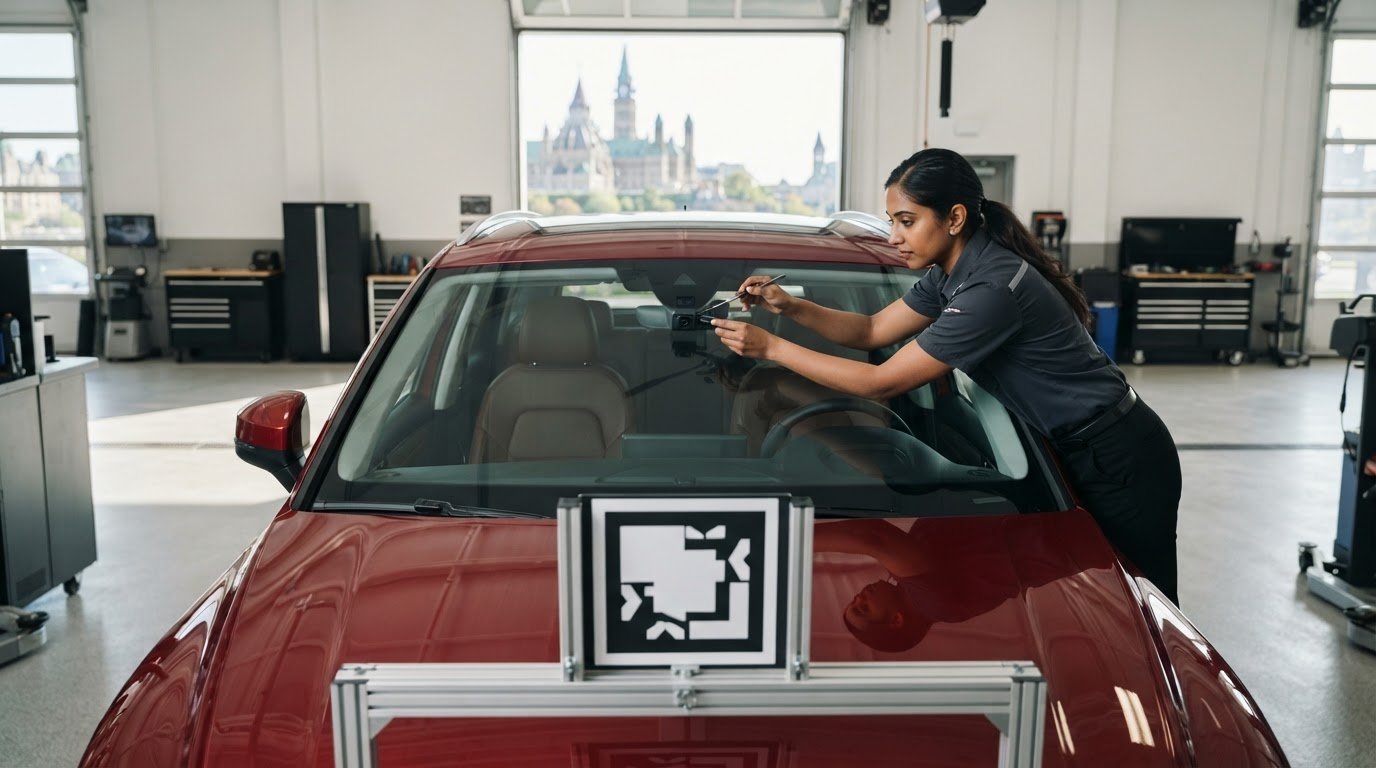
If lane keep assist is not working after a new windshield was installed, the forward-facing camera may have shifted or need ADAS recalibration. Rain, fog or faded lane markings can also make road lines harder to detect. Until the system works properly, don’t rely on it to keep your vehicle centred.
A new windshield can affect more than your view of the road, so it’s understandable to wonder whether the installation caused a warning or loss of steering support. The camera needs a clear, accurate view of lane markings, and even a small change in its position can affect how the system responds.
This article explains why Lane Keep Assist may stop working after windshield replacement, how recalibration helps, and which signs point to a problem rather than normal system behaviour. You’ll also learn why relying on lane assistance when it isn’t responding as expected can create a safety risk, and what to do next.
Key Takeaways
- A shifted camera or obstructed view can interfere with lane detection after windshield replacement.
- Learn how to distinguish normal system limits from signs that steering assistance may not be responding correctly.
- Understand why ADAS recalibration helps restore accurate camera readings after glass work.
- Find out why you should stay attentive and avoid relying on lane assistance when its operation seems impaired.
What might prevent Lane Keep Assist with Lane Departure Warning from working properly?
If Lane Keep Assist isn’t working after a new windshield, the camera’s view or alignment may have changed. Poor visibility, road conditions and collision-related shifts can also affect lane detection.
In Canada, insurance coverage for camera recalibration depends on your policy’s glass and ADAS provisions and the circumstances of the claim.
Camera Visibility and Lane Detection
Lane detection is the camera’s ability to recognize painted road lines and track the vehicle’s position between them. These systems rely on visible markings, so rain, fog, faded lines or glare can interrupt detection even when the camera is aligned. For example, assistance may pause on a wet road where paint is difficult to see.
Windshield distortion or reflections can interfere with the camera’s image. Glass that bends its view or reflects light across the lens may cause it to misread or miss a line. If Lane Keep Assist isn’t working after a new windshield only in certain lighting, the camera’s view through the glass is one factor to assess.
Windshield-Mounted Cameras and Sensors
Lane assist uses a forward-facing camera, often mounted near the top edge of the windshield, to identify lane lines and estimate the vehicle’s position. Related sensors and vehicle systems use that information to support warnings or steering assistance. The camera’s position relative to the road matters, as does the view through the glass in front of its lens.
A camera can look intact but still interpret the road inaccurately if its angle is off. If Lane Keep Assist stops working after a new windshield, the system may limit assistance because its readings no longer match the vehicle’s expected reference.
Camera Misalignment After Replacement or Collision
Windshield replacement can shift the camera or change its position relative to the new glass. ADAS recalibration resets its reference so it can interpret the road from the correct angle. Even a small positioning difference can affect lane detection, because the system depends on accurate alignment, not simply a powered camera.
A collision can also shift a camera or sensor, even if the impact seems minor and the windshield remains intact. A warning, inconsistent response or failure to activate after a collision deserves attention. Note when the symptoms began and whether they persist on clearly marked roads. Those details can help distinguish alignment concerns from poor visibility.
Lane-marker detection and steering correction
Lane Keep Assist must recognize lane markings before it can provide steering support. The camera tracks visible lines, while the vehicle’s control system uses that information to respond. Faded paint, rain, fog or glare can interrupt detection. In those conditions, a warning may appear or steering assistance may pause. The driver remains responsible for keeping the vehicle in its lane.
Watch the dashboard indicator as well as the vehicle’s behaviour. On some systems, a white Lane Keep Assist icon means steering assistance isn’t currently being provided. A slow response, unexpected chimes, drifting or failure to activate can also signal a performance issue. Compare what happens on a clearly marked road with what happens in poor visibility. If the system only drops out where lane lines are hard to see, detection conditions may be the cause.
- A turn signal may suppress a lane-departure warning when changing lanes.
- Intentional steering across a line may prevent an intervention.
- Braking or accelerating can change the system’s indicator or response.
- The feature may not activate below the vehicle’s operating speed threshold.
A “Steering Assist Is Reduced – Drive With Care” message means the vehicle remains drivable, but the system needs to be checked. Don’t interpret the message as proof that steering support is working normally. A “Take Steering” alert can also appear during ordinary driving, including when the road needs little correction and the driver makes few steering adjustments. Keep control of the wheel and respond to the vehicle’s prompts.
If warning messages or inconsistent correction continue on clearly marked roads, note when they occur and whether the icon changes. That record can help identify a recurring issue after glass work. If replacement-related insurance paperwork is also a concern, insurance claim assistance can support the claim process.

Why ADAS recalibration is needed after windshield replacement
Windshield replacement can change the camera’s reference point, so recalibration helps restore accurate readings. It aligns the vehicle’s cameras and sensors with their intended reference points.
In Canada, insurance coverage for recalibration depends on your policy terms and the approved scope of the windshield claim.
ADAS Sensor Recalibration
ADAS recalibration aligns a vehicle’s camera and sensors with their intended reference points after glass work. Lane detection and steering support rely on accurate readings, not simply a camera that turns on. Many newer vehicles require both static and dynamic calibration. Static calibration uses professional equipment while the vehicle is stationary; dynamic calibration takes place while driving.
Without correct calibration, a system can issue false alerts or fail to respond when needed. A warning after replacement, or lane assistance that behaves differently on a clearly marked road, indicates that the system needs assessment. Recalibration addresses alignment, but it cannot correct every separate fault.
Windshield Changes and Lane Sense Failure
Windshield damage or replacement can affect the camera’s view and position, changing how the vehicle interprets lane markings. A new windshield can look clear to the driver while the camera still needs recalibration. That’s why proper glass installation and calibration both matter to driver-assistance performance.
Lane Sense failure after replacement can persist even when a camera calibration was attempted. For example, a Ram 3500 owner reported that Lane Sense mostly showed a white indicator and offered no steering-wheel correction after an OEM windshield replacement and camera recalibration. The example shows why a warning or missing correction deserves follow-up, rather than assuming the replacement glass alone explains every symptom.
When arranging ADAS recalibration, provide the vehicle’s year, make, model and trim, along with the replacement date. Describe dashboard messages and lane-assist symptoms, such as a white indicator or absent steering correction. Share any calibration paperwork from the replacement. These details help technicians identify the vehicle system and understand what changed before the current problem.
Risks of relying on a malfunctioning lane-keep assist system
A malfunctioning Lane Keep Assist system can leave you without the steering support you expect. On a highway, an unnoticed drift may carry the vehicle towards another lane or a roadside hazard. The risk increases when a driver assumes the feature is working and pays less attention to lane position. Treat driver assistance as support, not a replacement for active driving.
Some systems stop assisting when they can’t verify camera alignment or lane detection. A white Lane Keep Assist indicator, reduced-steering message or missing correction can mean the vehicle isn’t providing the help you expect. If the system drops out, keep your attention on the road and maintain control. Don’t test its operation in traffic or depend on it through a long trip.
A false sense of security is especially concerning on highways. Long, straight stretches can require few steering adjustments, and a driver may receive a “Take Steering” alert despite staying within the lane. Fatigue can also reduce attention over a long drive. If an alert appears, take control and monitor the vehicle’s position rather than assuming the system will correct a drift.
Use these signs to decide what to do next:
- A warning that repeats on clearly marked roads calls for attention.
- Unexpected drifting or erratic correction means the system isn’t behaving normally.
- A “Steering Assist Is Reduced – Drive With Care” message indicates verification is needed.
After windshield replacement, note the message, indicator colour, road conditions and steering behaviour. Share those details when arranging repair or calibration; they help connect the symptom with its operating conditions. If windshield damage also needs attention, arrange mobile windshield repair, and don’t rely on lane assistance until its operation is restored.
Auto Glass Ottawa: Windshield Repair
Auto Glass Ottawa helps drivers address windshield damage with windshield repair or replacement, including when glass work is followed by a Lane Keep Assist warning. If the glass can be repaired, fixing it promptly may help preserve the existing windshield. If replacement is needed, the camera-related symptoms you’ve noticed are useful details to share when arranging service.
Auto Glass Ottawa’s free mobile service brings windshield repair or replacement to your home or workplace anywhere in Ottawa. If you’re making an insurance claim, the company can assist with the claim. Keep any dashboard messages or calibration records handy so you can clearly describe the concern.
Contact Auto Glass Ottawa to arrange windshield repair or replacement and ADAS camera recalibration.
Make your next drive a safer one
If lane keep assist is not working after a new windshield, treat the change in performance as a reason to act, not as a feature to test in traffic. Keep control of your vehicle and note any warning messages or conditions when assistance stops. Sharing those details can help clarify whether the next step involves glass repair, replacement or camera recalibration.
When lane keep assist still isn’t working after a new windshield, don’t rely on steering support that may not be functioning. Auto Glass Ottawa provides windshield repair, windshield replacement and mobile service. Addressing the glass concern and related camera issue can help you move towards safer, more confident driving.
Take the next step: contact Auto Glass Ottawa to discuss your windshield needs.
Frequently Asked Questions
Why did I get the “Take Steering” alert when I am actively driving the vehicle?
Some systems respond to steering activity, so an alert can appear while the vehicle is moving. On a straight road requiring little correction, the system may register too little steering input. Keep control of the wheel and follow the vehicle’s prompts; don’t make abrupt movements to silence the alert. If it repeats during normal driving, note the message and conditions.
Why doesn’t the system warn me when I cross the lane marker?
A warning may be suppressed if you signal a lane change, steer across the line intentionally, or brake or accelerate. The feature may also remain inactive when you’re travelling below its activation speed. Poor visibility, rain, fog and faded markings can make lane lines difficult to recognize. Note whether the missed warning happens during a deliberate manoeuvre or on a clearly marked road.
Why can lane keep assist stop working after windshield replacement?
Replacement can change the camera’s position or the way it views the road, interrupting lane detection or steering assistance. Recalibration may be needed to restore the camera’s reference. If the system worked before the glass change but now shows warnings, note the timing, dashboard message and driving conditions. Those details help distinguish a camera-related concern from temporary difficulty seeing lane markings.
Does a new windshield require ADAS camera recalibration?
When windshield replacement affects a vehicle’s ADAS camera, recalibration is required to restore accurate readings. Auto Glass Ottawa includes ADAS camera recalibration with every windshield replacement. This helps the camera interpret road features according to the vehicle’s intended settings. Keep the calibration result or paperwork with your replacement records so you have details of the work completed.
How is a windshield-mounted lane departure camera recalibrated?
A technician follows the vehicle’s calibration procedure to reset the camera’s alignment. Static calibration uses professional equipment while the vehicle is stationary; dynamic calibration is performed while driving. Some newer vehicles require both methods. The specific procedure depends on the vehicle system, and calibration records provide a useful reference if a warning returns or lane assistance behaves differently later.
What are the signs that lane keep assist calibration is incorrect?
Possible signs include a warning light, slow or erratic steering correction, unexpected chimes, drifting, or failure to activate on a clear, well-marked road. A warning that continues in conditions where the feature usually operates is useful to report. Record the exact message, indicator appearance and road conditions, then arrange an ADAS assessment rather than relying on the feature.