
How Long After Windshield Replacement Can I Drive? Safe Drive-Away Times Explained
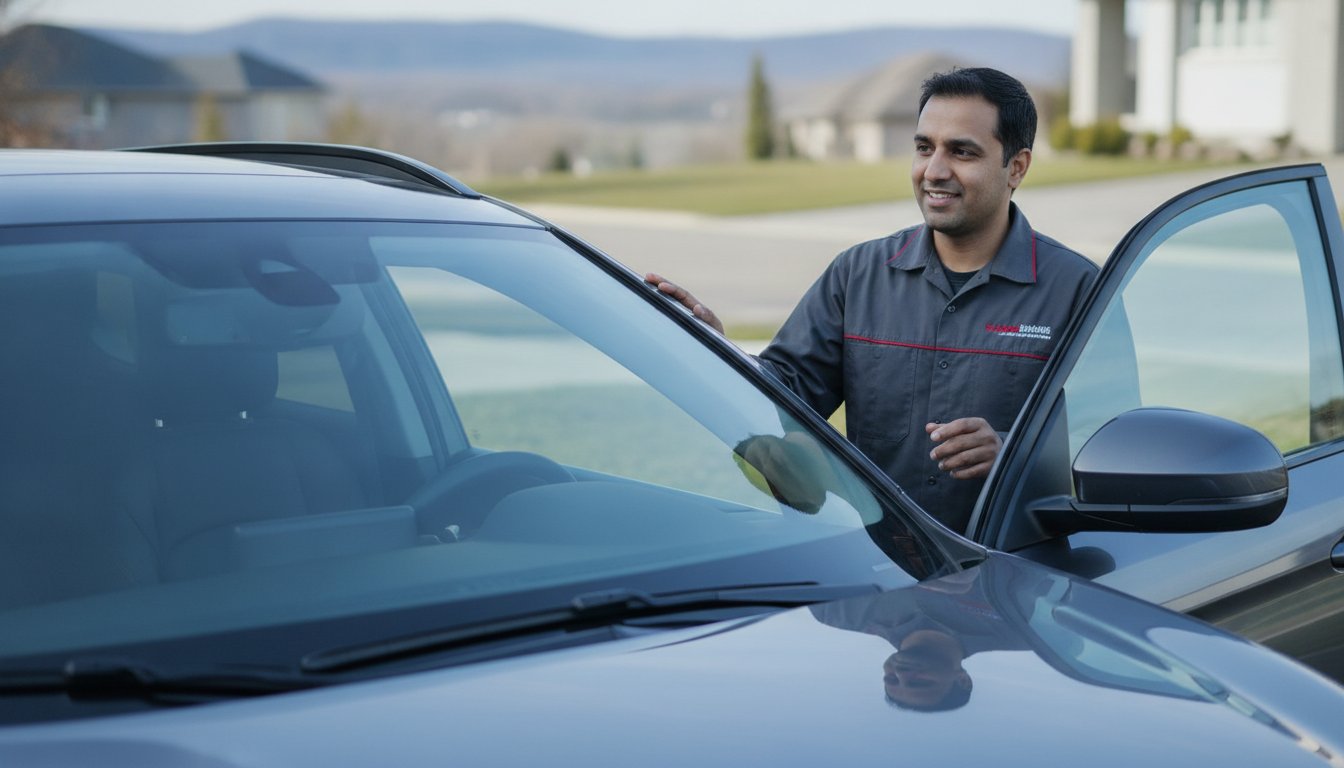
What if the only thing keeping your vehicle’s roof from collapsing in a rollover was a bead of adhesive that hasn’t fully set? It is a serious question because your windshield provides a significant portion of your car’s structural strength during an accident. This is why the most important thing to know is exactly how long after windshield replacement can i drive safely. While some modern fast-cure urethanes allow you to get back to your day in as little as 30 to 60 minutes, Ottawa’s shifting humidity and temperature can change that timeline in an instant.
We understand the frustration of being stuck without a ride and the worry that your new glass might leak or shift if you hit a pothole. You deserve a clear answer that doesn’t involve conflicting advice about car washes or tape. This guide explains the specific safety standards that dictate your wait time and how our local weather impacts the curing process. You will learn the essential steps for aftercare and why ADAS recalibration is a vital part of the “safe to drive” transition. By the end, you will have total confidence that your vehicle is secure and your lifetime warranty remains fully intact.
Key Takeaways
- Understand why the 60-minute “Safe Drive-Away Time” (SDAT) is a non-negotiable safety standard for modern vehicle structural integrity.
- Learn exactly how long after windshield replacement can i drive based on the specific type of adhesive used and your vehicle’s safety features.
- Discover how Ottawa’s unique humidity levels and cold winter temperatures directly influence the speed and strength of the curing process.
- Identify essential aftercare steps, such as the “cracked window” trick, to prevent seal blowouts and ensure your passenger-side airbags function correctly.
- Realize why ADAS camera recalibration is a vital final step in the replacement process to maintain your car’s advanced safety systems.
Understanding Safe Drive-Away Time (SDAT): The 60-Minute Rule
When you ask a technician how long after windshield replacement can i drive, you’re actually inquiring about the Safe Drive-Away Time (SDAT). This isn’t a random estimate or a suggestion to keep our schedule on track; it’s a critical safety standard. SDAT represents the specific window of time required for the specialized adhesive to bond sufficiently to your vehicle’s frame. This bond is what ensures the glass stays in place during an accident, serving as a vital component of your car’s safety system.
For most modern vehicles, the industry standard for a safe departure is 60 minutes. We utilize high-viscosity polyurethane adhesives that are engineered to meet rigorous crash-test standards quickly. Our Auto Glass Ottawa technicians don’t just guess at this number. We evaluate the specific adhesive used against the day’s temperature and humidity levels. If you’re at home in the city centre or parked in a driveway in Gatineau, we calculate a definitive time based on these real-time variables. This ensures you aren’t left wondering if your car is truly ready for the road.
It’s also important to distinguish between being “safe to drive” and the adhesive being “fully cured.” While you can safely operate the vehicle after an hour, the chemical bonding process typically takes 24 to 48 hours to reach 100% strength. During this initial two-day window, the seal remains slightly vulnerable to extreme pressure changes or harsh chemicals. Following our specific aftercare instructions during this period is what keeps your lifetime warranty valid and your cabin bone-dry.
The Role of ADAS Recalibration in Your Timeline
If your vehicle is equipped with Advanced Driver Assistance Systems (ADAS), your wait time involves an extra step. Features like lane-keep assist and collision avoidance rely on cameras mounted directly to the windshield. We cannot begin the recalibration process until the glass is perfectly set and immobile. This adds a vital window of approximately 30 to 90 minutes to your service appointment. We realize this adds a bit of time to your day, but ensuring these sensors are millimetre-perfect is the only way to guarantee your safety tech functions as intended when you leave.
Why Your Vehicle Type Matters
The size and weight of your vehicle directly impact the stress placed on the windshield adhesive. In a compact car, the windshield provides up to 60% of the structural integrity required to prevent a roof collapse during a rollover. For heavy commercial vehicles or large fleet vans, the sheer surface area of the glass creates different pressure requirements. We adjust our recommendations based on whether you’re driving a light passenger vehicle or a heavy-duty work truck, ensuring the bond is strong enough to handle the specific structural demands of your frame.
How Ottawa Weather Impacts Your Windshield Curing
Ottawa’s climate is a study in extremes. One week you’re dealing with a humid heatwave, and the next, you’re scraping thick frost off your side mirrors. These shifts in temperature and moisture levels play a massive role in determining how long after windshield replacement can i drive safely. While it might seem counterintuitive, most professional-grade urethanes used in the industry are moisture-cured. This means the adhesive actually draws water molecules from the air to trigger the chemical bonding process. A muggy afternoon in Gatineau is actually perfect for a quick, secure bond.
On those humid July days, the moisture in the air acts as a natural catalyst. The chemical reaction happens rapidly, often allowing for a faster transition to a safe state than on a crisp, dry autumn morning. However, we don’t leave this to guesswork or “gut feelings.” Our technicians use environmental sensors to monitor local conditions and strictly follow the Minimum drive-away times established by safety councils. This data-driven approach ensures that every installation meets professional standards, regardless of whether the weather is cooperating.
Winter presents a different set of obstacles for glass repair. When the thermometer dips well below zero, standard adhesives can become sluggish or fail to bond correctly to a frozen metal frame. To solve this, we utilize advanced “Cold-Cure” adhesives specifically engineered for the Canadian climate. These resins remain pliable and reactive even in sub-zero temperatures. If you need a mobile windshield replacement during a January cold snap, our team ensures the vehicle’s pinchweld is properly prepped to facilitate a secure, permanent seal before you get back on the road.
Winter Safety: Driving in Sub-Zero Temperatures
Thermal shock is a real concern during an Ottawa winter. If you jump into your car and immediately blast the defroster on high, the sudden temperature difference between the freezing exterior and the hot interior can stress the fresh seal. We often recommend a slightly longer sit-time when it’s below -10°C to allow the bond to stabilize. Keeping your vehicle in a temperate garage or a sheltered area for the first few hours can significantly improve the initial set and prevent the glass from shifting.
Humidity and Adhesive Speed
Moisture is the secret ingredient for a high-performance bond. In the dead of winter, the air is notoriously dry, which can paradoxically slow down the curing process despite the cold. Our technicians measure the relative humidity on-site to adjust your wait time accurately. If the air is too dry, we may use specific primers or moisture-boosting techniques. This ensures the chemical reaction occurs exactly as the manufacturer intended, keeping your vehicle’s structural integrity at its peak.
Essential Aftercare: The Dos and Don’ts for the First 48 Hours
Once you understand how long after windshield replacement can i drive, the focus shifts to protecting that initial bond. The first 48 hours are the most critical window for your new glass. While the vehicle is safe for the road after the initial hour, the urethane is still transitioning from a liquid to a solid state. To ensure a perfect seal, leave a side window cracked about two centimetres. This simple trick prevents air pressure from building up inside the cabin. If you slam a door with all the windows up, that burst of pressure can actually push the fresh windshield outward, creating a tiny gap that leads to future leaks or wind noise.
We follow the rigorous standards developed by the Auto Glass Safety Council, which emphasizes that proper aftercare is just as vital as the installation itself. One common sight after a replacement is the retention tape along the top of the glass. This tape acts as an unsung hero, holding the outer mouldings in place while the adhesive sets. Leave it alone for at least 24 hours. Peeling it off too early can cause the trim to shift, which might compromise the final look or the weather-tight seal of your new glass. Additionally, try to park on level ground during this period to avoid twisting the vehicle frame, which can put uneven stress on the curing adhesive.
The Car Wash Rule: Why You Must Wait
Avoid high-pressure car washes for at least two full days. It isn’t just about the soap or chemicals; it’s about the hydraulic pressure. Modern automatic car washes use powerful water jets that can exert significant force against the edges of the glass. If the urethane hasn’t reached its full hardness, this pressure can force water behind the seal or even displace the adhesive bead. If you must clean your vehicle, stick to a gentle hand wash for the body and avoid spraying water directly at the new windshield’s perimeter. This patience ensures the bond remains undisturbed during its most vulnerable phase.
Handling Retention Tape and Dashboard Clutter
Your dashboard should remain clear for the first 48 hours to prevent any internal interference. Avoid using heavy sunshades that lean against the interior of the glass, as they can put unnecessary pressure on the bond from the inside. Similarly, wait to reattach your toll transponder, dashcam, or GPS mount. These accessories often use suction cups or strong adhesives that can pull on the glass surface. Give the bond the full 48-hour window to reach maximum strength before you start adding weight or tension to the glass.

The Hidden Risks of Driving Too Soon
Ignoring the specific timeline for how long after windshield replacement can i drive isn’t just a matter of inconvenience; it’s a gamble with your vehicle’s safety systems. Many drivers view the windshield as a simple piece of glass, but it’s actually a vital structural component. If you hit the road before the adhesive reaches its Safe Drive-Away Time (SDAT), you risk a catastrophic failure during an accident. In a collision, your passenger-side airbag deploys with incredible force, using the windshield as a “backstop” to position itself correctly. If the bond is weak, the airbag can blow the glass right out of the frame, leaving your passenger completely unprotected.
Structural Integrity and Rollover Protection
Your windshield provides up to 60% of your cabin’s structural integrity during a rollover accident. It acts as a pillar that prevents the roof from crushing the occupants inside. A weak or uncured bond means that support is effectively gone. We use only high-performance, certified adhesives to ensure maximum grip from the moment your SDAT window closes. If you want the peace of mind that comes with a certified windshield replacement, following the technician’s wait time is the most important step you can take.
Water Leaks and Wind Noise
Microscopic gaps created by driving too early often go unnoticed until the first heavy Ottawa rainstorm. By then, water may have already seeped into the pinchweld, leading to hidden rust that compromises the metal frame of your car. This rust prevents future windshields from bonding correctly, creating a cycle of leaks and repairs. A small shift in the first hour can lead to a total glass failure months down the road. Taking the time to let the urethane set properly is the only way to ensure your cabin remains quiet, dry, and structurally sound for the life of the vehicle.
Safe, Mobile, and Certified: The Auto Glass Ottawa Standard
Our dedication to your protection starts with the materials we choose. We utilize only high-performance, industry-leading adhesives that meet or exceed federal safety standards. These urethanes are specifically selected for their ability to bond quickly and remain stable through Ottawa’s harsh freeze-thaw cycles. Because we prioritize precision, we provide a lifetime warranty on both workmanship and leakage for as long as you own the vehicle. With 15 years of local experience across Ottawa and Gatineau, we have seen every type of vehicle and every possible glass challenge. We realize that a professional installation is the only way to ensure your car’s safety systems perform when they are needed most.
Hassle-Free Insurance Claims While You Wait
Managing an insurance claim can be more frustrating than the initial rock chip. We take that burden off your shoulders by handling the paperwork and communication with your provider. Our direct billing options are designed to minimize your out-of-pocket stress, often allowing for a seamless transaction without any administrative hurdles. If you want a deeper look at how to navigate your policy, our Insurance Windshield Replacement in Ottawa: A Complete Claim Guide (2026) offers a step-by-step breakdown of the process. We realize that clarity is just as important as the quality of the glass we install.
Ready for a Safe Replacement?
Don’t let a cracked windshield put your safety at risk for another day. You can book our same-day mobile service and have a certified technician arrive at your home or office. Our 15 years of local expertise ensures that every installation, from the initial seal to the final ADAS recalibration, is handled with the highest level of care. We don’t take shortcuts because we know that your windshield is a vital safety barrier. If you’ve been wondering how long after windshield replacement can i drive, our experts will give you a definitive, safe timeline on-site based on the day’s environmental conditions. Contact us today to restore your vehicle’s integrity and get back on the road with total confidence.
Restore Your Vehicle’s Safety and Structural Integrity
Understanding exactly how long after windshield replacement can i drive is about more than just convenience; it’s about ensuring your vehicle’s safety systems are ready to protect you. By respecting the 60-minute Safe Drive-Away Time and following essential aftercare steps like the cracked window trick, you preserve the structural bond of your glass. Our team of certified ADAS recalibration experts ensures that your lane-keep assist and collision avoidance sensors are perfectly aligned before you ever hit the road.
We take the stress out of the process with our 100% free mobile service across Ottawa and Gatineau, allowing your new windshield to set safely in your own driveway. Every installation is backed by our lifetime warranty on workmanship and leakage, giving you long-term peace of mind. Don’t let a small crack become a major safety risk. Get a Free Quote for Your Windshield Replacement Today and let our local experts handle the rest. We look forward to getting you back behind the wheel safely and efficiently.
Frequently Asked Questions
Can I drive my car immediately if I only had a chip repair?
You can drive your car immediately after a windshield chip repair. Unlike a full replacement, a repair involves injecting a specialized resin that we cure instantly using a high-intensity UV light. The bond reaches full strength within seconds, so there is no Safe Drive-Away Time to worry about. You are free to hit the Queensway or head back to work the moment our technician finishes the job.
What happens if it starts raining right after my windshield is replaced?
Rain is actually beneficial for the curing process because most professional urethanes are moisture-cured. The water molecules in the air help the adhesive bond more effectively to the vehicle frame. However, you should still avoid driving at highway speeds in a heavy downpour for the first few hours. High-speed rain can exert significant physical pressure on the fresh seal before it has reached its initial set.
Why do I need to leave my car windows slightly open after installation?
Leaving your windows down about two centimetres prevents air pressure from blowing out the fresh seal. When you close a car door, the air inside is compressed and looks for the path of least resistance. If your windows are tightly shut, that pressure can push the new glass outward, creating tiny gaps. Keeping a window slightly open allows that air to escape safely while the adhesive transitions to a solid state.
Is it safe to go through a touchless car wash after 24 hours?
You should wait at least 48 hours before using any car wash, including touchless ones. While touchless systems don’t use brushes, they rely on extremely high-pressure water jets and harsh detergents. This combination can disturb the curing adhesive or force water into the pinchweld before the bond is fully hardened. Patience for those first two days is the best way to protect your lifetime warranty and ensure the seal remains intact.
How long should I leave the yellow or blue tape on my new windshield?
Leave the retention tape on your windshield for at least 24 hours. This tape is essential for keeping the outer mouldings and trim pieces perfectly aligned while the urethane underneath sets. Peeling it off too early can cause the trim to shift or lift, which can lead to wind noise or water leaks. Once a full day has passed, you can safely remove the tape without leaving any residue behind on your paint.
Will driving on a bumpy road ruin my new windshield seal?
Does the 60-minute wait time apply to all types of cars and SUVs?
The 60-minute wait time is a standard for modern adhesives, but the specific answer to how long after windshield replacement can i drive can vary by vehicle. Heavier SUVs and commercial vans put more structural stress on the glass, which may require a slightly longer window in certain weather conditions. Additionally, vehicles with advanced safety sensors require extra time for ADAS recalibration to ensure all cameras are functioning correctly before you depart.
What should I do if I notice a whistling sound while driving the next day?
If you hear a whistling or rushing air sound, contact us immediately to schedule an inspection. This sound usually indicates a tiny “pinhole” gap in the adhesive seal where air is escaping at high speeds. While it might seem like a minor annoyance, any gap in the seal can eventually allow water to enter the cabin. Our lifetime warranty covers these issues, and we will ensure the seal is perfectly restored to its weather-tight condition.